Forza Horizon 6 Uses 360-Degree Cameras and Cultural Consultant to Recreate Japan
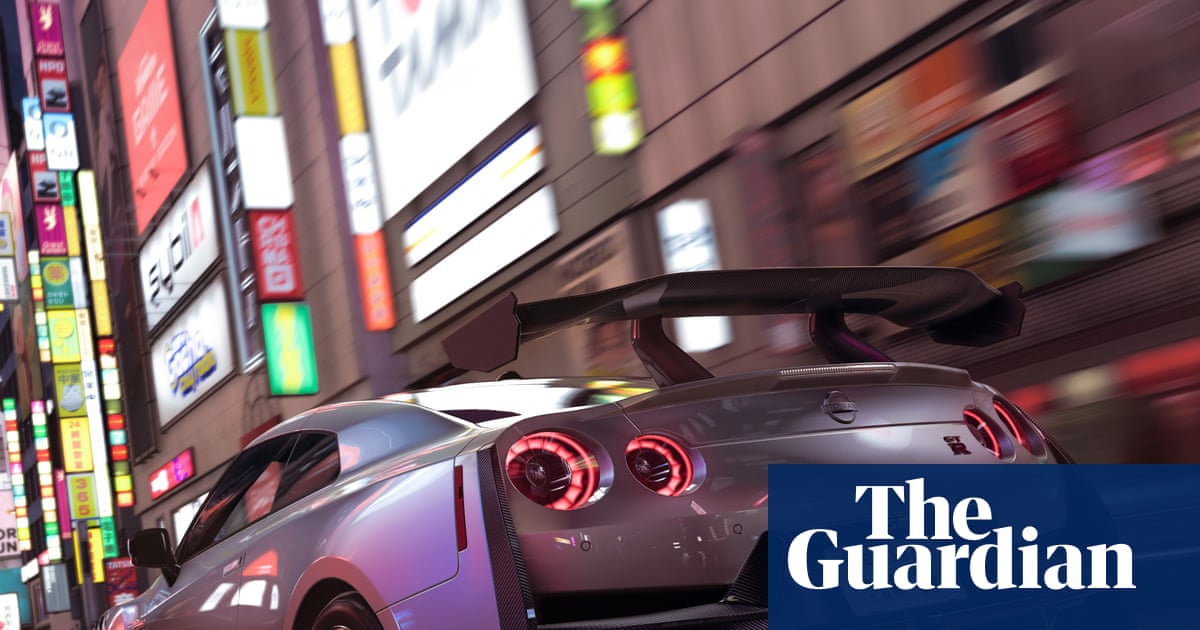
The studio used 360-degree photography and a three-year cultural consultancy to craft a realistic Japanese open world for Forza Horizon 6.
TL;DR
Forza Horizon 6's developers used 360-degree cameras and a cultural consultant to build a realistic virtual Japan, moving past earlier stylised depictions. The approach aims to capture authentic details like store-sign colours and road geometry.
Context Since the first Forza Horizon launched in 2012, Playground Games has sent teams abroad to photograph landscapes, skies and street life before recreating them in-game. Earlier titles featured Colorado, France and Australia, but Japan remained on the wishlist for years. Ellert said the team had considered Japan for earlier Forza Horizon titles but felt unprepared to build it. Players often bring pre-formed images of Japan from anime, manga and other games, which can clash with a developer’s goal of neutrality.
Key Facts Ellert confirmed that Japan had been considered for previous Forza Horizon entries but the team delayed production until they felt ready. The reference crew deployed 360-degree cameras across cities and countryside, capturing both 2D imagery and 3D depth comparable to a street-view map. Cultural consultant Kyoko Yamashita worked with the team for three years, advising on nuances such as the traditional red and white hues of shop signs and their symbolic meanings.
What It Means By grounding the world in measured visual data, the developers reduce reliance on generic tropes and instead highlight specific regional characteristics. The use of full-sphere photography lets artists place assets with accurate scale, which should improve the sense of speed on narrow mountain passes. Yamashita's input on colour theory helps avoid missteps that could alienate local audiences or misrepresent cultural symbols. The result blends iconic routes like Hakone Nanamagari with everyday details such as vending machines and railway crossings, offering players a layered experience rather than a postcard replica. Early streams show Japanese viewers noting familiar station architecture, suggesting the strategy resonates with those who know the terrain.
What to watch next Monitor community reactions to the touge driving events and any announced downloadable content that could expand the map to other Japanese regions such as Hokkaido or Okinawa.
Continue reading
More in this thread
Conversation
Reader notes
Loading comments...