WHO Says Hantavirus Outbreak on Cruise Ship Is Not Another COVID‑19
The WHO insists the hantavirus outbreak tied to a cruise ship is not a COVID‑19‑scale threat, with low risk despite three deaths and 11 cases. Details on transmission and precautions.
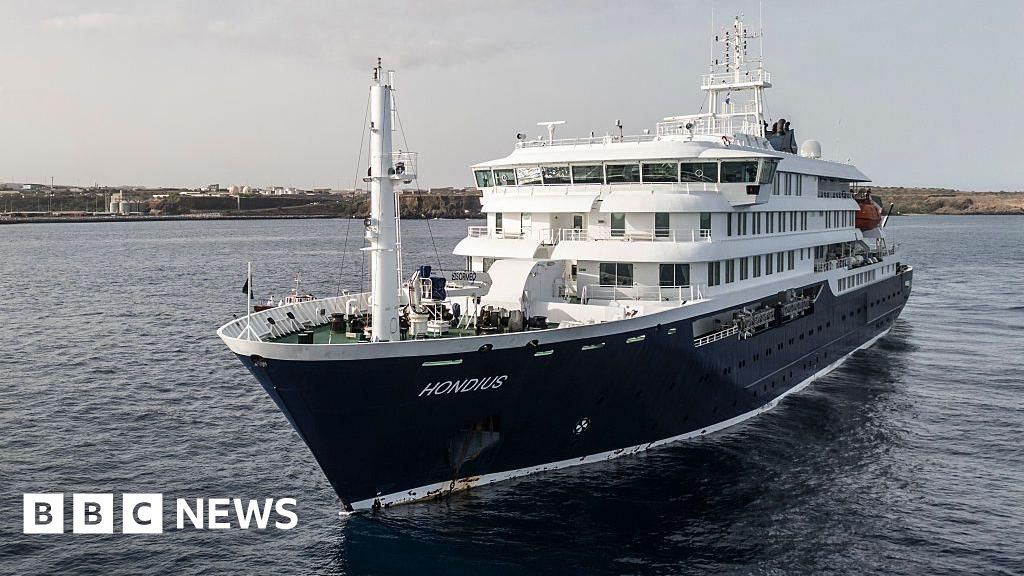
An aerial view of the cruise ship MV Hondius stationary off the port of Praia, the capital of Cape Verde. Photo: 5 May 2026
TL;DR: The WHO says the hantavirus cluster tied to a cruise ship is not a COVID‑19‑scale threat, with the public health risk remaining low. Eleven cases, including three deaths, have been confirmed among passengers of the MV Hondius.
Context
Hantaviruses are spread mainly by inhaling particles from rodent urine, droppings or saliva. Human‑to‑human transmission is extremely rare and has only been documented for the Andes strain after prolonged, close contact. The outbreak on the MV Hondius involved the Andes strain, which explains the limited spread seen among travelers who shared cabins or had close contact.
Key Facts
WHO Director‑General Tedros Adhanom Ghebreyesus stated that the outbreak is not another COVID‑19 and that the current risk is low. Three individuals—a Dutch couple and a German tourist—died while aboard the ship. After a Spanish passenger tested positive, the WHO confirmed the 11th hantavirus case linked to the MV Hondius outbreak.
Evidence
Evidence so far comes from case reports and routine surveillance (observational monitoring) of the 11 identified infections; no randomized trial has been conducted for hantavirus transmission. The observed association between time on the ship and illness suggests a link, but further investigation is needed to confirm causality.
What It Means
Because hantavirus does not transmit efficiently through casual contact, the likelihood of a wider community outbreak is minimal. Travelers should avoid areas with visible rodent infestation, seal food stores, and use gloves when cleaning potential rodent habitats.
If flu‑like symptoms appear one to eight weeks after possible rodent exposure, seek medical care and mention the exposure; early supportive care improves outcomes. Public health authorities are monitoring close contacts of the confirmed cases and will issue updates if any secondary transmission is detected.
Clinicians should consider hantavirus in patients with unexplained respiratory or renal failure who report recent rodent contact or travel to endemic areas. Early ribavirin has shown limited benefit in some studies, but supportive care remains the mainstay.
Watch for further case reports from the ship’s passengers and any guidance from the WHO on preventive measures for cruise‑ship operators.
Continue reading
More in this thread
AI‑Powered Handheld Microscope Expands Depth of Field for Early Cancer Detection
Dr. Priya Sharma
Spain Confirms Hantavirus Case in Cruise Ship Evacuee as WHO Reports 11 Infections, Three Deaths
Dr. Priya Sharma
ASU PhD Graduate Nalani Thomas Turns Early Struggles into Rural Maternal Health Policy
Dr. Priya Sharma
Conversation
Reader notes
Loading comments...