Spain Confirms Hantavirus Case in Cruise Ship Evacuee as WHO Reports 11 Infections, Three Deaths
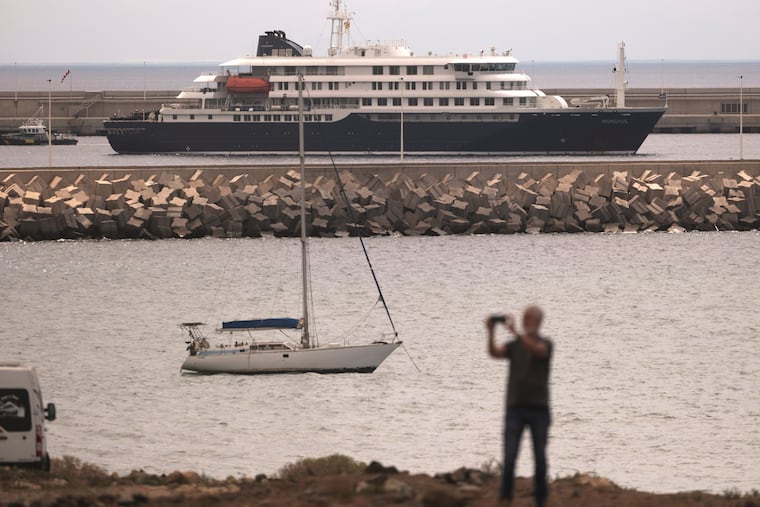
Spain’s health ministry confirmed a hantavirus case in a passenger evacuated from the MV Hondius cruise ship, while the WHO reported 11 linked infections and three deaths. Quarantine and symptom monitoring are advised.
TL;DR
Spain’s health ministry confirmed a hantavirus infection in a passenger evacuated from the MV Hondius cruise ship, while the WHO reported 11 linked cases and three deaths. Health officials advise quarantining returning travelers for 42 days and monitoring for fever or respiratory symptoms.
Context Hantaviruses are carried by rodents and can cause hemorrhagic fever with renal syndrome or hantavirus pulmonary syndrome. The Andes variant, identified in nine of the eleven cases, is unusual because it can spread between people, whereas most hantaviruses transmit only from rodent excreta to humans. There is no vaccine or antiviral drug; survival depends on early supportive care such as oxygen therapy and hemodynamic support.
Key Facts - Spain’s Ministry of Health said a patient previously suspected of hantavirus infection tested positive after evacuation from the MV Hondius. - The WHO confirmed 11 hantavirus cases tied to the cruise ship, including three fatalities; nine involved the Andes variant. - Over 120 passengers and crew (87 passengers, 35 crew) were evacuated from the ship, which is now returning to the Netherlands for decontamination. - The WHO’s assessment is based on an observational case series of 11 patients; no randomized controlled trials exist for hantavirus treatment due to the disease’s rarity. - Quarantine guidance recommends a 42‑day isolation period for returning travelers, with symptom checks for fever, muscle aches, or shortness of breath.
What It Means The confirmed case shows the virus can move from a ship environment to a mainland health system, underscoring the need for rapid testing and isolation. Because the Andes variant can spread person‑to‑person, close contacts of infected individuals are at higher risk, though the WHO notes no sign of a larger outbreak yet. The long incubation period—up to six weeks—means additional cases could emerge in the coming weeks. Practical steps for the public: seek medical care promptly if you develop fever or respiratory symptoms after potential rodent exposure or travel on the ship, and follow local quarantine orders. Health authorities will continue monitoring evacuees and the ship’s cleaning process.
What to watch next Watch for any new hantavirus diagnoses among the evacuated passengers or crew over the next month, and for updates on the effectiveness of quarantine measures and environmental decontamination of the MV Hondius.
Continue reading
More in this thread
AI‑Powered Handheld Microscope Expands Depth of Field for Early Cancer Detection
Dr. Priya Sharma
WHO Says Hantavirus Outbreak on Cruise Ship Is Not Another COVID‑19
Dr. Priya Sharma
ASU PhD Graduate Nalani Thomas Turns Early Struggles into Rural Maternal Health Policy
Dr. Priya Sharma
Conversation
Reader notes
Loading comments...