Warm Miami Track, Not New Rules, Stalled Yo‑Yo Racing in F1 Sprint
Drivers say Miami heat, not new F1 rules, limited overtakes in sprint; expect yo‑yo racing to return in future races.
TL;DR
Miami’s sprint race showed few position swaps; drivers blame the heat, not the revised regulations, and warn the yo‑yo effect will reappear.
The Miami sprint finished with only a handful of overtakes, a stark contrast to the frequent lead changes seen in Melbourne and Shanghai. The new aerodynamic package, introduced to curb rapid speed swings, produced little measurable impact on track.
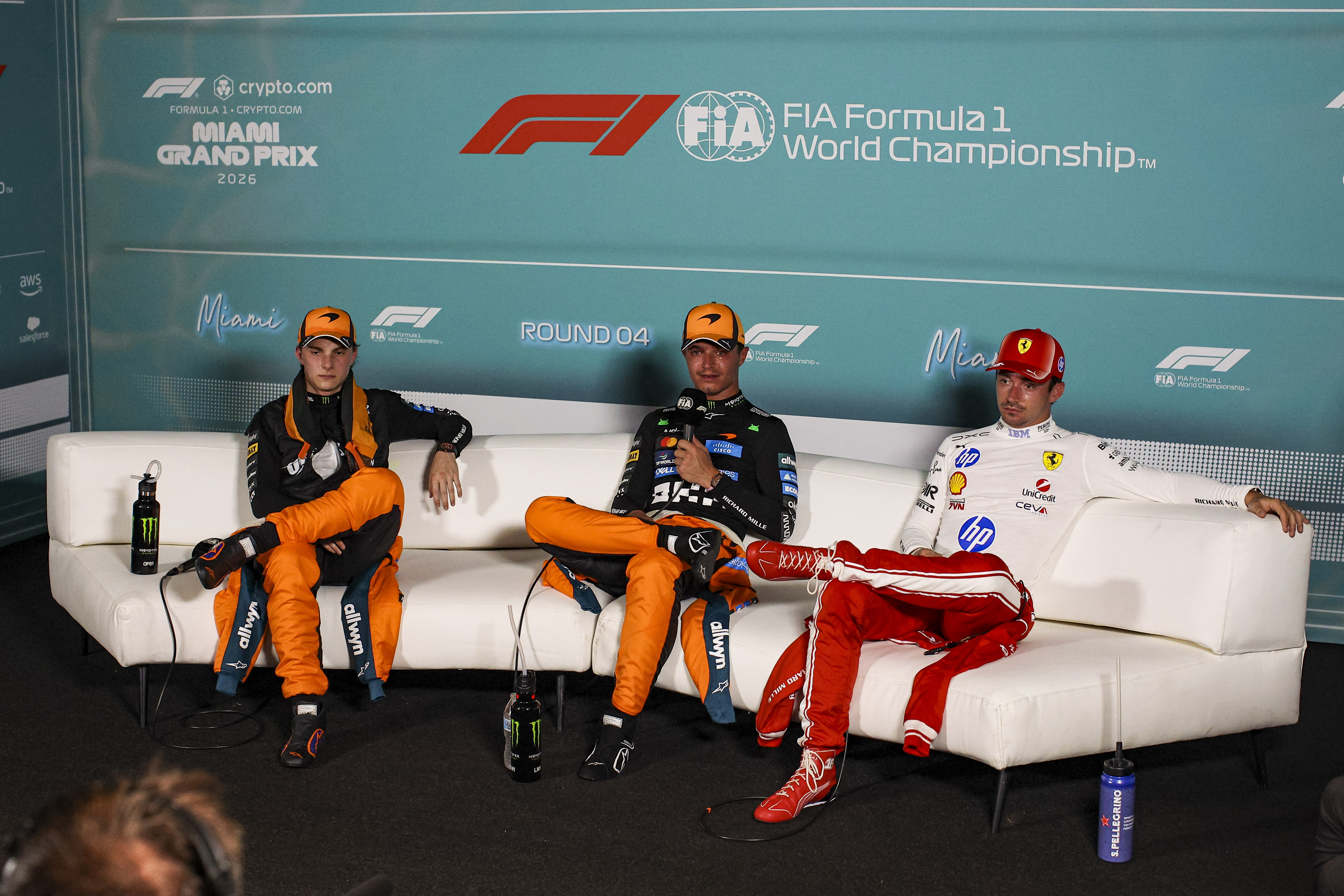
Ferrari’s Charles Leclerc pointed to the 30‑plus‑degree track temperature as the primary factor. Overheated tyres lose grip, limiting a car’s ability to stay close to rivals. Leclerc said the heat made it “very difficult” to mount a challenge, suggesting the calm race was an outlier rather than evidence of rule success.
Oscar Piastri, who defended his position against Leclerc for much of the sprint, disagreed that the rule change had eliminated the phenomenon. His engineer reported Leclerc gaining four‑tenths of a second on a straight before Piastri pulled three‑tenths ahead on the next, illustrating the speed differentials that fuel yo‑yo racing. Piastri concluded that “it’ll still be a thing” as long as cars can swing between faster and slower phases.
Lando Norris echoed the sentiment that the regulatory tweaks produced only marginal change. He noted that apart from “superclips” – a new component designed to smooth airflow – the sprint felt largely unchanged. Norris called the adjustments “a step in the right direction” but emphasized that further development is needed later in the season.
The drivers’ consensus suggests that Miami’s warm conditions, not the rule overhaul, muted the yo‑yo effect. Overheating tyres remain a critical variable, especially on circuits with high ambient temperatures. While the new aerodynamic constraints may eventually smooth out speed fluctuations, the evidence from this weekend indicates they are not yet decisive.
What to watch next: Teams will test tyre management strategies in upcoming hot‑weather races, and the FIA will monitor whether later events show a sustained reduction in rapid position swaps as the rule package matures.
Continue reading
More in this thread
Conversation
Reader notes
Loading comments...