Audi Disqualified from Miami Sprint After Engine Over‑Pressure; Race Start Shifted Earlier
Gabriel Bortoleto's Audi broke the 4.8 barA intake limit, was placed last in the sprint, and the Miami Grand Prix start moved to 1 p.m. ET due to weather.
TL;DR
Audi’s Gabriel Bortoleto was disqualified from the Miami sprint for exceeding the 4.8 barA engine intake pressure limit, dropping him to 22nd, and the Sunday Grand Prix start was moved up to 1 p.m. ET due to weather.
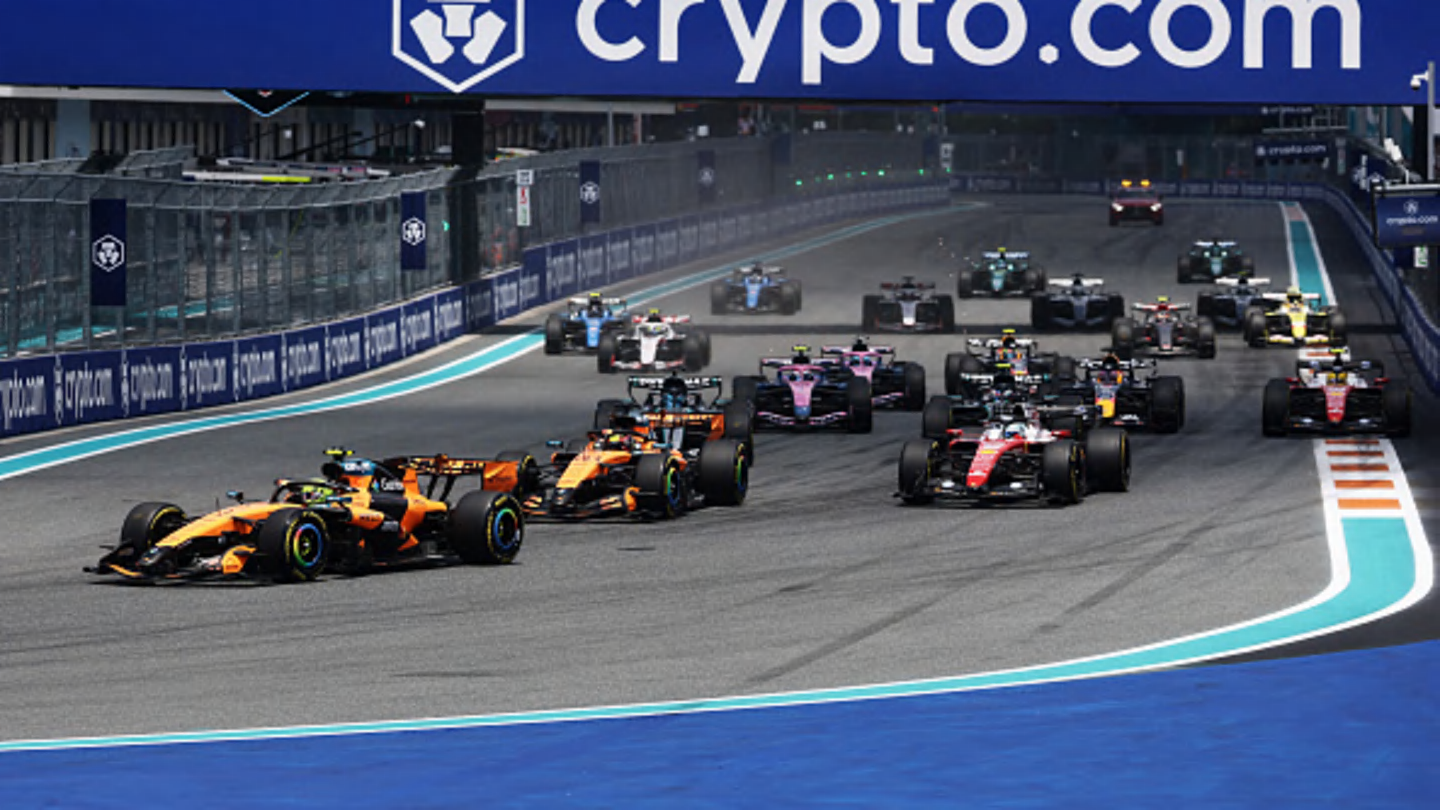
Context The Miami International Autodrome hosted a 19‑lap sprint on Saturday. Bortoleto had finished 11th before officials inspected the car and found a breach of FIA Technical Regulation Article C5.3.2, which caps intake air pressure at 4.8 barA. The same day, race officials advanced the Sunday Grand Prix start from 4:00 p.m. to 1:00 p.m. ET because of an approaching storm.
Key Facts - Bortoleto’s Audi recorded an intake pressure above the 4.8 barA limit, triggering a technical disqualification. - The driver was re‑classified as last, 22nd of 22, after the penalty. - The disqualification promoted the nine finishers behind him and two non‑starters by one position each, but did not affect driver or constructor points because only the top eight earn sprint points. - Lando Norris won the sprint, earning eight points; points drop by one per position through eighth place. - The revised sprint results list Norris, Oscar Piastri, Charles Leclerc, George Russell, Max Verstappen, Kimi Antonelli, Lewis Hamilton and Pierre Gasly in the points‑scoring spots. - Bortoleto will start from the back of the grid in the 57‑lap Grand Prix on Sunday. - Apple TV will broadcast the race, now slated for a 1 p.m. ET kickoff.
What It Means Audi’s breach highlights the strict enforcement of engine‑air‑flow limits, a key factor in maintaining parity across teams. While the penalty reshuffled the sprint order, it left the championship standings unchanged because no points were lost or gained by the top contenders. The earlier Grand Prix start compresses the weekend schedule, giving teams less time to adjust setups before the main event. Teams will watch how the weather evolves and whether the earlier start influences tyre strategies and pit‑stop timing.
Looking ahead, monitor whether other teams face similar technical checks and how the condensed timetable impacts performance in the Sunday race.
Continue reading
More in this thread
Conversation
Reader notes
Loading comments...