Trump‑Xi Summit Looms as China Outpaces US in Trade, Defense Spending, and Rare Earths
Ahead of the Trump‑Xi meeting, China outpaces the US in exports, defense spending, and rare earth reserves, reshaping the trade and security agenda.
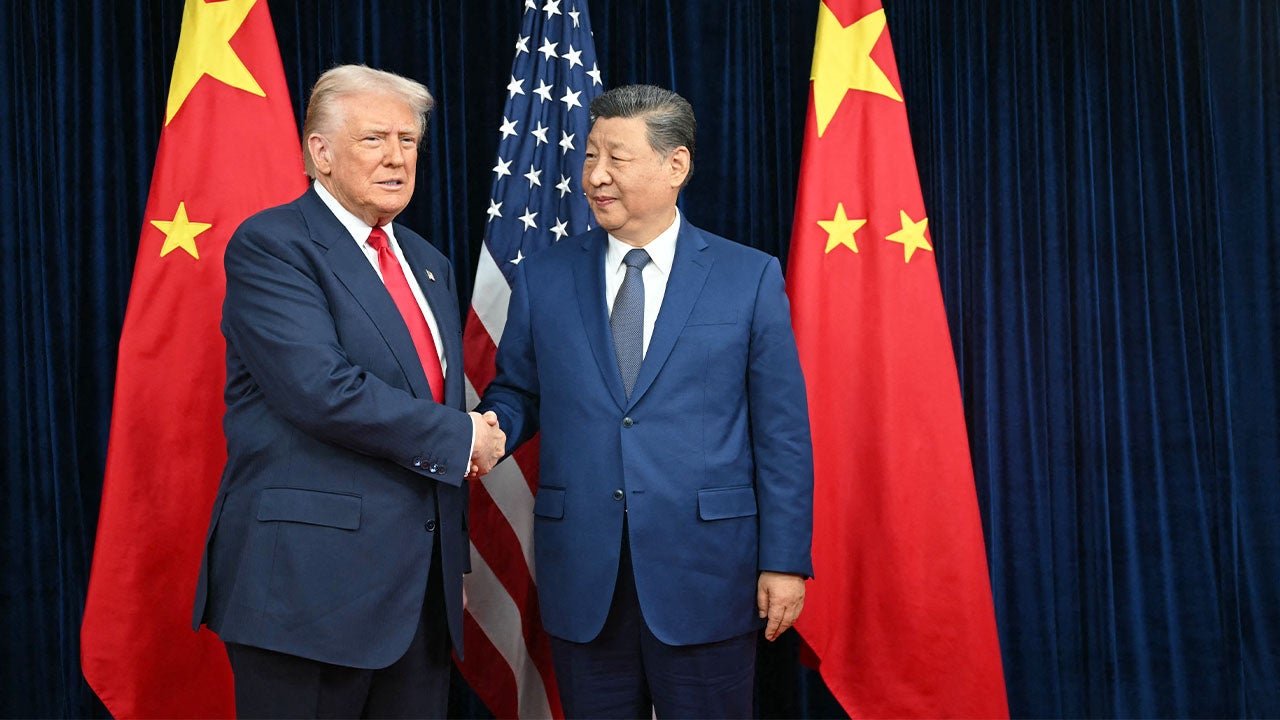
TL;DR: China’s 2024 export bill of $3.59 trillion dwarfs the United States’ $1.9 trillion, while Beijing spends a third of U.S. defense outlays and holds over half the world’s rare earths as Trump prepares to meet Xi.
President Donald Trump will travel to Beijing on May 14‑15 for the first U.S. presidential visit to China in a decade. The two leaders are expected to discuss trade, technology and security after weeks of postponements linked to the Israel‑Iran conflict.
China’s export volume reached $3.59 trillion in 2024, nearly twice the United States’ $1.9 trillion. The surplus stems mainly from machinery and electronics, which alone generated $1.68 trillion, plus metals and textiles. In contrast, the United States sold $447 billion of similar machinery and $364 billion of mineral products, while importing $3.12 trillion and running a large trade deficit.
Military spending highlights another gap. The United States allocated $954 billion to defense in 2025, equal to 3.1 % of its gross domestic product (GDP). China’s defense budget was $336 billion, or 1.7 % of its GDP, roughly one‑third of the U.S. figure. Both nations remain the world’s top spenders, but the scale difference is stark.
Resource dominance adds a strategic layer. China controls about 44 million tonnes of rare earth minerals—elements essential for electronics, renewable energy and defense systems—representing more than 50 % of global reserves. The United States holds roughly 1.9 million tonnes, less than 5 % of the total.
These disparities shape the agenda in Beijing. Trade imbalances, high U.S. tariffs averaging 31.6 % on Chinese imports, and Chinese levies up to 77 % on U.S. beef illustrate ongoing friction. Yet the United States remains China’s largest trading partner, while China ranks third for the U.S., behind Mexico and Canada.
What it means: Beijing’s economic heft, coupled with its resource cache and growing defense budget, gives it leverage in negotiations that could force the United States to recalibrate tariff policy and supply‑chain strategies. The summit will test whether Trump can extract concessions on market access or whether China will use its rare‑earth dominance as bargaining power.
Watch for post‑summit statements on tariff adjustments, joint ventures in high‑tech sectors, and any commitments that could shift the balance of trade and strategic resources between the two superpowers.
Continue reading
More in this thread
Conversation
Reader notes
Loading comments...