Bahrain‑Led UN Hormuz Resolution Gains 112 Co‑Sponsors
The Bahrain‑led UN resolution on the Strait of Hormuz has 112 co‑sponsors, about two‑thirds of the UN, as Iran warns peace cannot come from humiliation or threats.
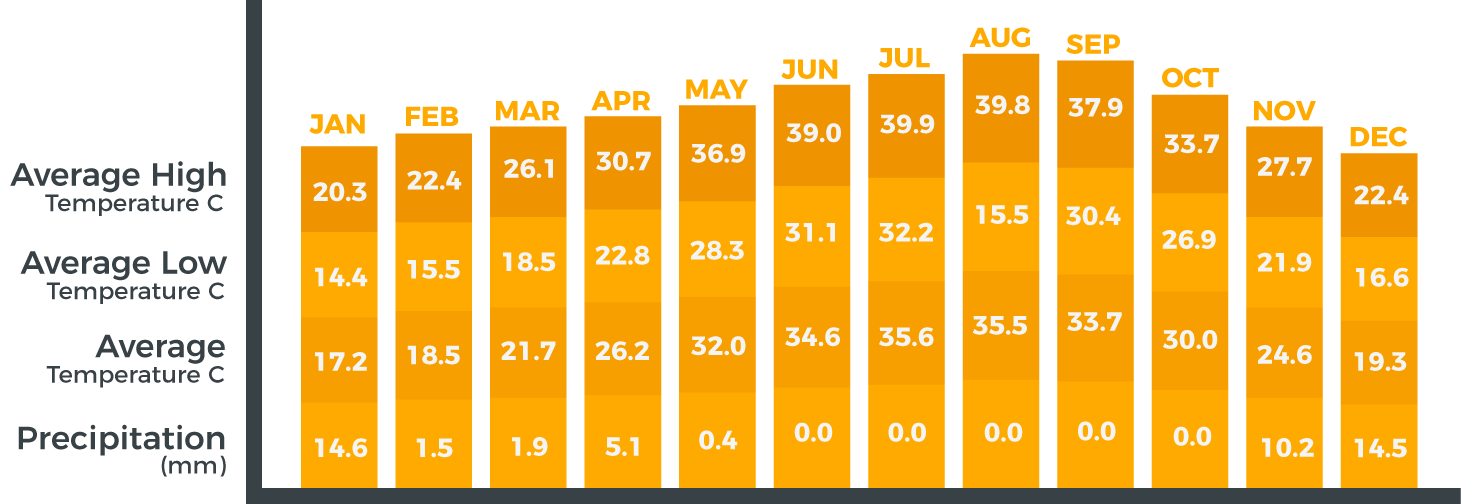
Climate Bahrain
**TL;DR A Bahrain‑led UN resolution calling for free passage through the Strait of Hormuz has won the backing of 112 countries, about two‑thirds of the UN membership. Iran’s deputy foreign minister warned that peace cannot be built on humiliation or threats.
**Context The draft Security Council text, sponsored by Bahrain and the United States, demands an immediate halt to Iranian attacks on Gulf neighbours and urges unimpeded navigation for commercial ships. The text also calls for an end to Iranian attacks on its Gulf neighbours and stresses the importance of safeguarding seafarers and global energy flows.
It follows a similar resolution last month that was vetoed by China and Russia. No vote date has been set, but the resolution’s sponsor list now fills three pages, according to UN correspondent Gabriel Elizondo. Diplomats say the broad backing reflects growing anxiety over the strait’s role in global trade.
**Key Facts - The resolution has 112 co‑sponsors, representing roughly two‑thirds of the 193 UN member states. - Iran’s Deputy Foreign Minister Kazem Gharibabadi said, "True peace cannot be built with the language of humiliation, threat, and forced concession‑taking." - Principal sponsors include Qatar, Saudi Arabia, Kuwait, India, Japan, South Korea, Kenya, Argentina and most EU states, alongside Bahrain and the US. - China and Russia have expressed reservations about the draft, though it is unclear whether they will veto again.
**What It Means The broad sponsorship signals widespread concern over disruptions to one of the world’s busiest oil chokepoints, which carries about a fifth of global seaborne oil trade. Supporters argue the measure protects freedom of navigation and energy supplies, while Iran frames it as an attempt to impose concessions. The resolution’s fate will hinge on whether the Security Council can overcome the veto threat from China and Russia. Observers note that a successful vote could set a precedent for addressing similar maritime disputes elsewhere.
What to watch next: whether a vote is scheduled and if any permanent member exercises a veto, which would determine the resolution’s ability to become binding UN policy.
Continue reading
More in this thread
Bahrain-led UN Hormuz Resolution Garners 112 Co‑sponsors as Trump Ignores US Financial Concerns
Nadia Okafor
Finance Minister Wagle Tables FY 2083/84 Policy in National Assembly Amid Eight Amendments
Nadia Okafor
Xi to Press Trump on Taiwan Arms Sales and Trade Certainty at Summit
Nadia Okafor
Conversation
Reader notes
Loading comments...