Suspected Ebola Cases in DR Congo Exceed 900 Amid Violence and Aid Shortfalls
Suspected Ebola cases in eastern DR Congo have reached 904 with 119 deaths as nearly one million people remain displaced by conflict in Ituri province, amid attacks on treatment centres and aid shortages.
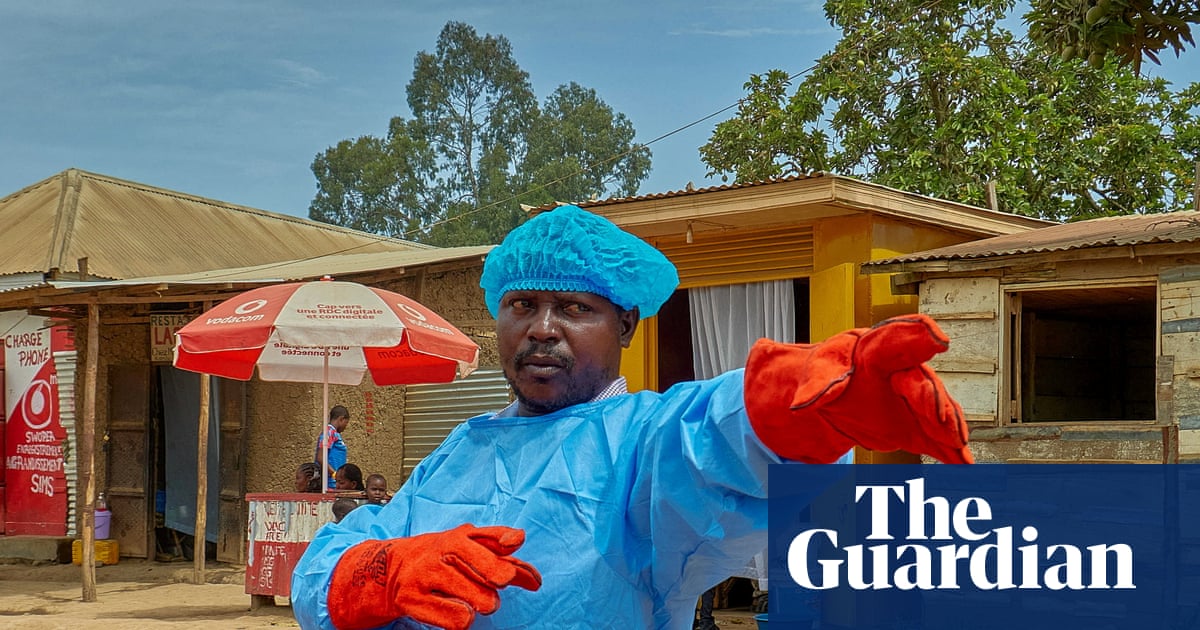
TL;DR: Suspected Ebola cases in eastern DR Congo have risen to 904 with 119 suspected deaths, while nearly one million people remain displaced by conflict in Ituri province. Attacks on treatment centres and aid shortfalls are hampering response efforts.
Context
The World Health Organization has declared the outbreak a global health emergency and rates the national risk as very high, though it says the global spread risk remains low. Health workers face insecurity from armed rebel groups, including the Rwanda‑backed M23 and the Allied Democratic Forces, which have disrupted clinics and forced staff to flee. Prior assessments by Doctors Without Borders described catastrophic conditions in parts of the province before the virus arrived.
Key Facts
Authorities reported 904 suspected cases and 119 suspected deaths, up from earlier tallies of over 700 cases and 170 deaths. Nearly one million people have been displaced from their homes due to fighting in Ituri, according to the UN humanitarian office.
Colin Thomas‑Jensen of the Aurora Humanitarian Initiative said the arson attacks on two Ebola treatment centres last week reflect built‑in skepticism and anger rooted in years of violence and inadequate protection. The Bundibugyo strain driving the outbreak lacks an approved vaccine or specific treatment, and researchers have not published any randomized controlled trials or cohort studies for this variant, leaving sample sizes unavailable for therapeutic evaluation.
What It Means
The combination of high case numbers, mass displacement, and damaged health infrastructure raises the likelihood of further transmission, especially in crowded displacement camps near Bunia where the first cases emerged.
Practical takeaways for readers include recognizing that aid shortages—such as missing face shields, suits, testing kits, and body bags—directly limit infection control and safe burial practices, which are critical to breaking chains of transmission. Continued insecurity may deter both local and international health workers, slowing case detection and contact tracing.
To watch next: monitor whether access improvements or additional funding restore essential supplies and whether case trends shift in the coming weeks.
Continue reading
More in this thread
Conversation
Reader notes
Loading comments...