EPA Chief Warns Overheated Chemical Tank Near Disneyland May Fail, Prompting Evacuation of 50,000
EPA Administrator Lee Zeldin says an overheated methyl methacrylate tank near Disneyland may fail, prompting evacuation of 50,000 residents.
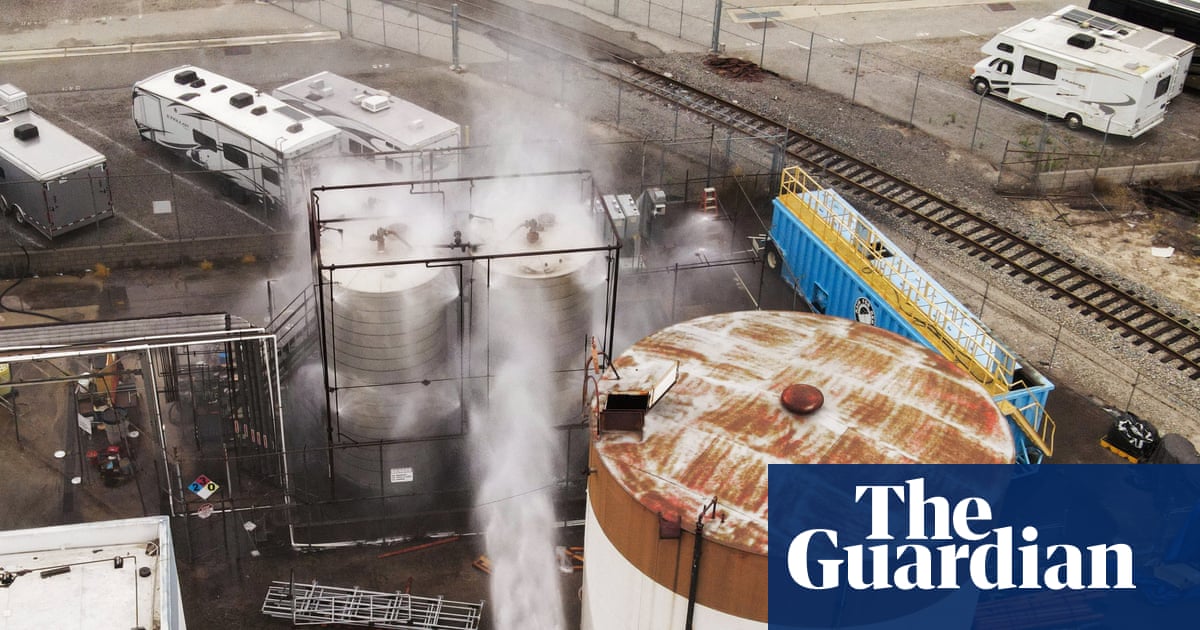
TL;DR: An overheated tank holding 6,000‑7,000 gallons of methyl methacrylate near Disneyland is expected to fail, prompting the evacuation of about 50,000 residents. Officials say a low‑volume release is most likely, but a catastrophic explosion remains possible.
Context Government officials in Orange County, California, warned that an overheated chemical tank “will fail” and could result in a chemical explosion near Garden Grove, just five miles from Disneyland. EPA Administrator Lee Zeldin said on CNN’s State of the Union that while the tank will fail, the implications vary, with the most catastrophic scenario involving a chain‑reaction explosion of nearby tanks. To reduce risk, responders have been spraying the tank with water to keep its temperature below 85 °F and added a neutralizing agent to a adjacent tank.
Key Facts Approximately 50,000 residents have been evacuated due to the chemical tank risk. The tank contains between 6,000 and 7,000 gallons of methyl methacrylate, a flammable chemical used to produce plastics and resins. On Saturday, fire officials reported discovering a potential crack in the tank that could relieve pressure, though experts cautioned that a runaway reaction might still occur deeper inside the tank.
What It Means Toxicological assessments of methyl methacrylate rely on animal studies, typically rodent inhalation cohorts of 20‑30 subjects per exposure level, which have demonstrated respiratory irritation and neurological effects under controlled conditions—showing causation in those models. Human data are observational, indicating correlation between exposure and symptoms such as coughing, dizziness, and skin irritation, but no current air‑quality monitors have detected pollutants in the surrounding area. Residents who notice a strong odor should seek fresh air and medical attention if symptoms develop. Practical steps include heeding evacuation orders, avoiding low‑lying areas where vapors may accumulate, and following updates from local health and emergency agencies.
What to watch next: pressure readings inside the tank, any decision to gradually drain the chemical through the crack, ongoing air‑quality results, and the progress of lawsuits filed by affected residents against GKN Aerospace.
Continue reading
More in this thread
Conversation
Reader notes
Loading comments...