Six Parties Control London Councils After Labour Loses 450 Seats
London's 2026 local elections leave six parties sharing power across 32 boroughs, with Labour shedding 450 council seats.
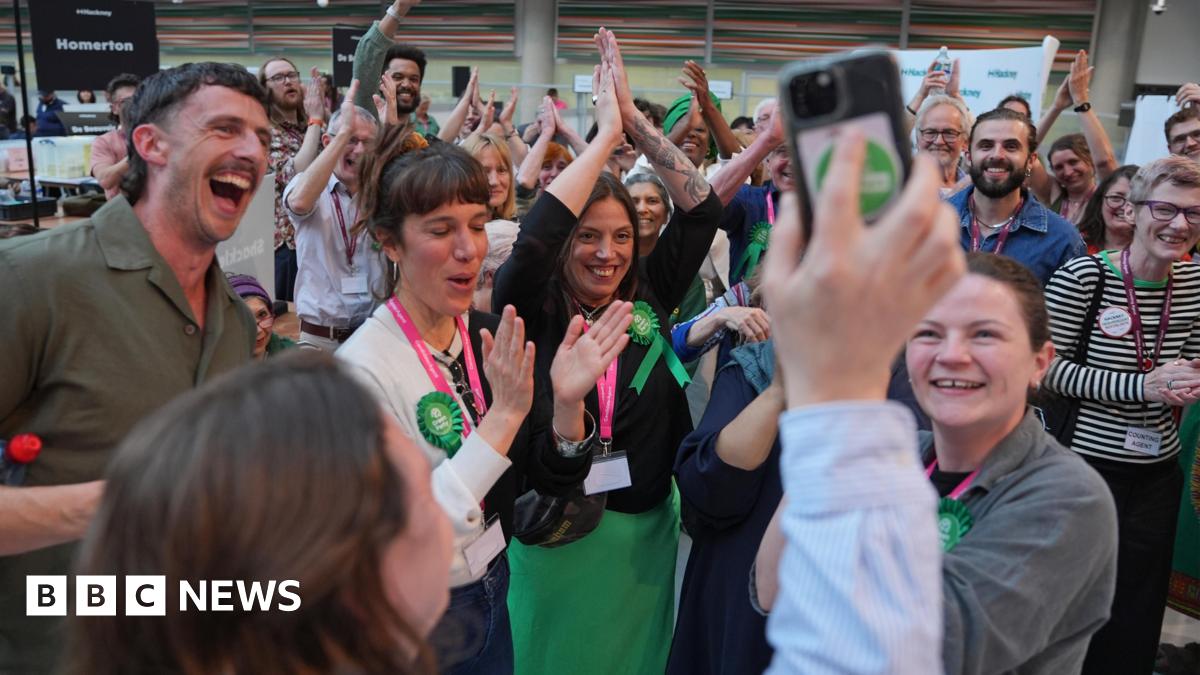
TL;DR
Six parties now run London’s 32 borough councils after Labour’s loss of 450 seats in the 2026 local elections.
Context The 2026 London local elections reshaped the capital’s political landscape. For the first time since the borough system was created, no single party dominates the council map. Voters turned out in record numbers, and the results were announced over three days of counting.
Key Facts - Labour, which previously held a majority of council seats, fell by 450 councillors. The loss translates into a significant reduction of its influence in local decision‑making. - Six distinct political parties now hold governing majorities or coalitions in the 32 boroughs. This includes the Conservatives, Liberal Democrats, Greens, Reform Party, and two smaller local groups. - Hundreds of newly elected councillors will be responsible for everyday services such as waste collection, elderly care, road maintenance, and responding to resident complaints. - The multi‑party configuration means many boroughs will operate under coalition agreements or minority administrations, requiring negotiation on budget allocations and policy priorities.
What It Means The fragmented council map signals a shift toward collaborative governance at the local level. With no party able to command outright control, borough leaders must forge alliances to pass budgets and implement programmes. This could slow decision‑making but also broaden representation of diverse voter interests.
For residents, the change may be felt in how quickly issues like pothole repairs or bin schedule adjustments are addressed. Councillors from smaller parties often campaign on niche concerns, potentially bringing new focus to areas such as climate‑friendly waste policies or expanded senior services.
Labour’s loss of 450 seats reflects a broader national trend of declining support for traditional parties, prompting analysts to watch whether the party can rebuild its base before the next general election. Meanwhile, the Conservatives and Liberal Democrats will test their ability to manage coalition dynamics in a city historically leaning left.
Looking ahead, observers will monitor how coalition agreements shape budget priorities, whether service delivery improves under shared control, and how the new council composition influences the upcoming 2028 mayoral race.
Continue reading
More in this thread
Conversation
Reader notes
Loading comments...