US Sanctions Chinese Firms Over Iran Drone Aid as China Blocks Compliance
US Treasury sanctions ten China-linked entities for aiding Iran's drone program; China responds with a blocking rule to defy the measures.
TL;DR
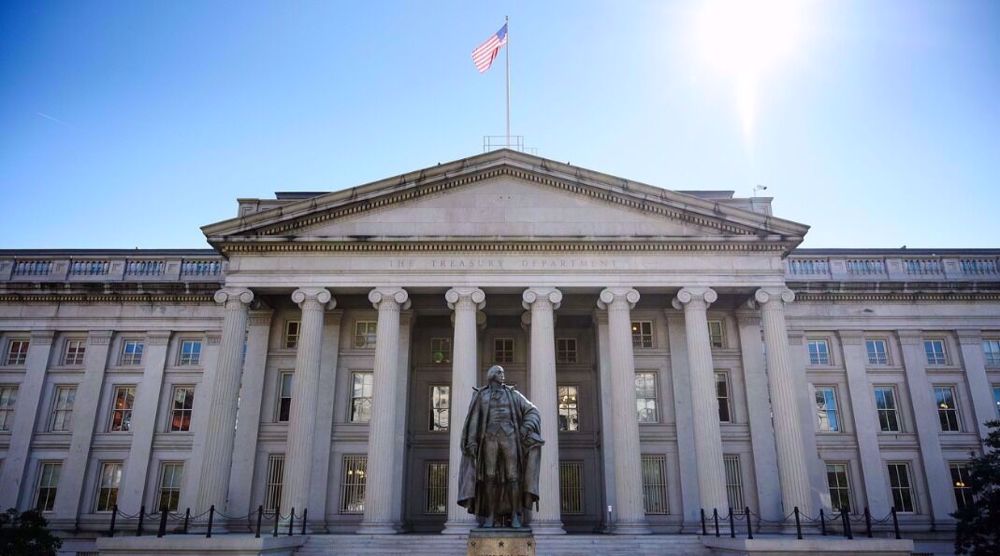
The US Treasury sanctioned ten individuals and companies, many in China and Hong Kong, for helping Iran acquire Shahed drones and missile materials; China responded by invoking a blocking rule that forbids its firms from obeying the sanctions.
Context The United States announced new sanctions just days before President Donald Trump’s scheduled meeting with Chinese President Xi Jinping. The measures target entities accused of supporting Iran’s military‑industrial base, a move that follows stalled diplomatic efforts to resolve the Iran conflict.
Key Facts - The Treasury Department listed ten parties, including China‑based Yushita Shanghai International Trade, Hong Kong firms HK Hesin Industry and Mustad Ltd, and Dubai‑based Elite Energy, for facilitating weapon purchases, transferring funds, or supplying missile‑grade materials. - Iran‑based Pishgam Electronic Safeh was also sanctioned for procuring drone motors, while Belarusian Armory Alliance acted as an intermediary. - Brett Erickson of Obsidian Risk Advisors said the sanctions aim to curb Iran’s ability to threaten ships in the Strait of Hormuz, a chokepoint that moves most global oil and gas shipments. - Erickson noted the sanctions focus narrowly on specific actors, leaving major Chinese banks that support Iran’s economy untouched. - In a first‑ever move, China invoked a “blocking rule,” directing its companies not to comply with U.S. sanctions on Iranian crude purchases. The directive follows China’s recent veto, alongside Russia, of a U.N. Security Council resolution targeting Iran.
What It Means The sanctions signal Washington’s intent to choke Iran’s drone and missile supply chain by targeting overseas facilitators. By naming firms in China, Hong Kong and Dubai, the U.S. hopes to pressure foreign intermediaries into cutting off Tehran’s access to critical components. China’s blocking rule represents a direct challenge to U.S. extraterritorial enforcement. If Chinese firms ignore the sanctions, they could face secondary penalties, such as restrictions on access to the U.S. financial system. The standoff raises the risk of a broader economic clash between the two powers, especially as both prepare for high‑level talks. The effectiveness of the sanctions will depend on whether China enforces its blocking rule or allows firms to sidestep U.S. measures. Watch for any follow‑up actions from the Treasury, especially against Chinese banks, and for diplomatic signals during the upcoming Trump‑Xi summit.
*What to watch next:* the outcome of the Trump‑Xi meeting and any new U.S. steps to expand secondary sanctions on Chinese financial institutions.
Continue reading
More in this thread
Conversation
Reader notes
Loading comments...