Syria’s Interim President Al‑Sharaa Launches First Post‑Assad Cabinet Shuffle
Al‑Sharaa replaces his brother, three governors and several ministers in Syria's first reshuffle since Assad's removal, amid nepotism criticism.
TL;DR
Interim President Ahmed al‑Sharaa has swapped his brother, three governors and several ministers in Syria’s first cabinet change since Bashar al‑Assad’s ouster, responding to criticism of cronyism.
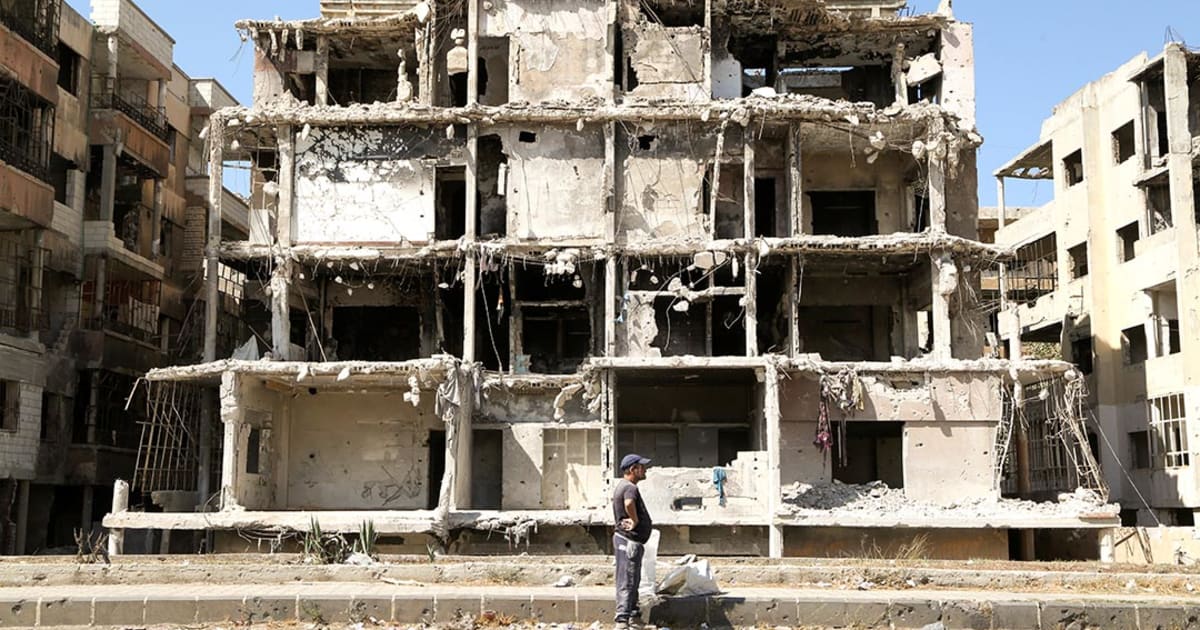
Context The reshuffle arrives a year and a half into a five‑year transition outlined in Syria’s constitutional declaration. Al‑Sharaa inherited a fractured state in December 2024 after decades of authoritarian rule and a 13‑year war that left an estimated 500,000 dead. Economic hardship and protests have intensified pressure on the interim government to demonstrate reform.
Key Facts - Al‑Sharaa removed his brother Maher from the presidential office, appointing former Homs governor Abdul Rahman Badreddine al‑Aama as secretary‑general for the presidency. - New ministers include Khaled Zaarour as information minister, Hamza Mustafa shifting to foreign affairs, and Bassel Sweidan moving to agriculture. - Governors of Homs, Quneitra and Deir Az Zor were replaced, affecting the oil‑rich eastern province. - Critics had accused al‑Sharaa of filling ministries with close friends; analysts note the new appointees still come largely from his trusted network, with the agriculture post now held by the defence minister’s cousin. - The removal of Druze minister Amjad Badr reduces minority representation in the cabinet. - Parallel to the reshuffle, trials of former Assad‑era officials began, including former Deraa security chief Atef Najib, charged with crimes against the Syrian people.
What It Means The personnel changes address the most visible nepotism complaint by ousting the president’s brother, but the continued reliance on a close circle suggests limited diversification of power. Replacing governors in key provinces may signal an attempt to tighten control over oil revenues and stabilize regional administration. The timing aligns with growing public discontent over the economy and governance, indicating that al‑Sharaa’s team is testing the limits of reform within the transitional framework. Watch for how the new ministers handle reconstruction funds and whether further cabinet adjustments follow as the transition progresses.
Continue reading
More in this thread
Conversation
Reader notes
Loading comments...