Pakistan's Military Chief Drives Iran-US Mediation, Boosts Global Standing
Field Marshal Asim Munir leads Pakistan's mediation efforts between Iran and the US, securing ceasefires and opening crucial straits while elevating the nation's international standing.
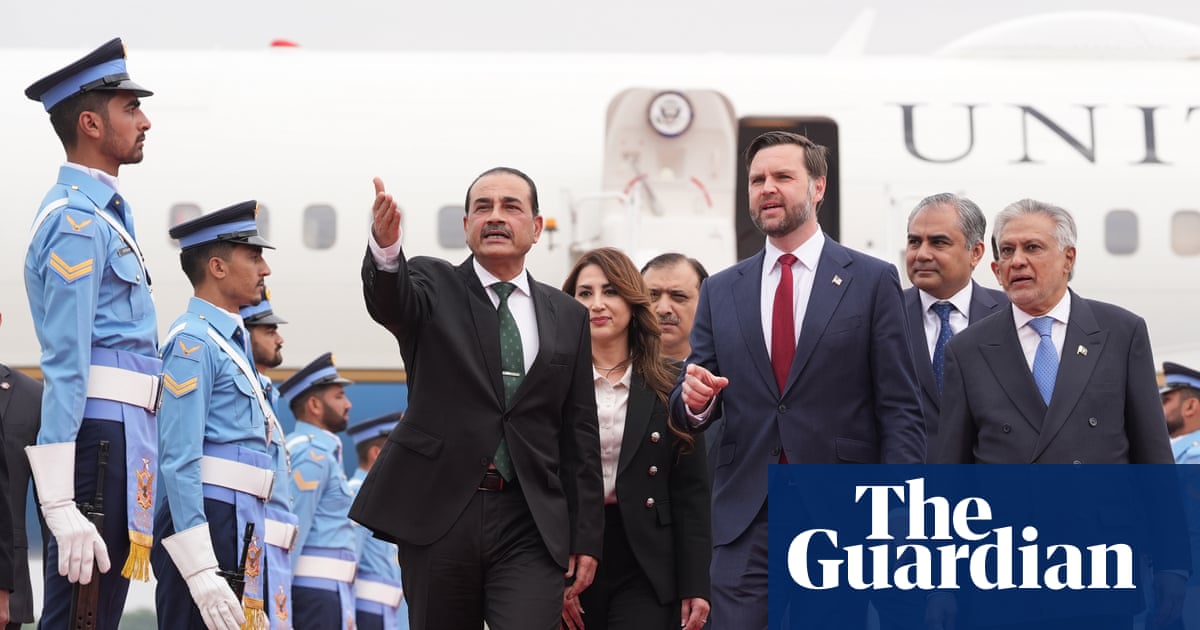
Pakistan's military chief, Field Marshal Asim Munir, is actively mediating between Iran and the United States, aiming to de-escalate regional tensions and elevate Pakistan's global diplomatic profile.
Pakistan has undertaken a critical diplomatic initiative to bridge differences between Iran and the United States. This engagement positions the nation as a central figure in de-escalating heightened geopolitical tensions. The effort underscores a strategic move to recast its international standing.
Field Marshal Asim Munir, Pakistan’s military chief, has already achieved notable successes. He helped broker a ceasefire between Israel and Lebanon. Munir also secured a temporary opening of the Strait of Hormuz, a crucial global shipping lane. These diplomatic breakthroughs highlight Pakistan's capacity for impactful intervention.
Pakistan holds a unique strategic position globally. It is the sole Muslim-majority nation possessing nuclear weapons, commanding a significant military force of 600,000 personnel. This combination of military strength and nuclear capability grants it substantial geopolitical weight.
Ali Sarwar Naqvi, a former senior Pakistani diplomat, affirmed Pakistan's unique credibility. He stated the country enjoys the confidence of all UN Security Council permanent members and has Iran’s trust. Naqvi described Pakistan as a large, nuclear-armed, strategically located country, emphasizing its role as a trusted intermediary.
Pakistan's proactive diplomacy aims to leverage its relative neutrality in the Iran-US standoff. This approach seeks to move beyond its historical perception as an "international problem child" and establish itself as a stable, influential mediator. Increased global stature could attract crucial investment, though economic reforms remain vital.
This diplomatic push reflects Pakistan’s ambition for greater sway in a shifting global order. The nation is using its military and strategic assets to bolster its diplomatic influence. This contrasts with past challenges related to its economy and domestic politics.
The focus now turns to whether these initial steps can solidify into lasting agreements. Observers will closely monitor upcoming talks and their impact on regional stability and Pakistan's long-term international relations.
Continue reading
More in this thread
Ukraine Hits Russian Oil Facilities as Energy Crisis Fuels Russia-Ukraine Tensions
Nadia Okafor
Gunman Kills Canadian Tourist, Wounds Six at Teotihuacan Before Suicide
Nadia Okafor
US Launches Tariff Refund Portal as Hassett Signals Possible Cuts to $166B Repayment
Nadia Okafor
Conversation
Reader notes
Loading comments...