Ukraine Hits Russian Oil Facilities as Energy Crisis Fuels Russia-Ukraine Tensions
Ukraine targeted Russian oil facilities after intense Russian aerial attacks. This escalation highlights the strategic role of energy in the conflict amidst a global crisis.
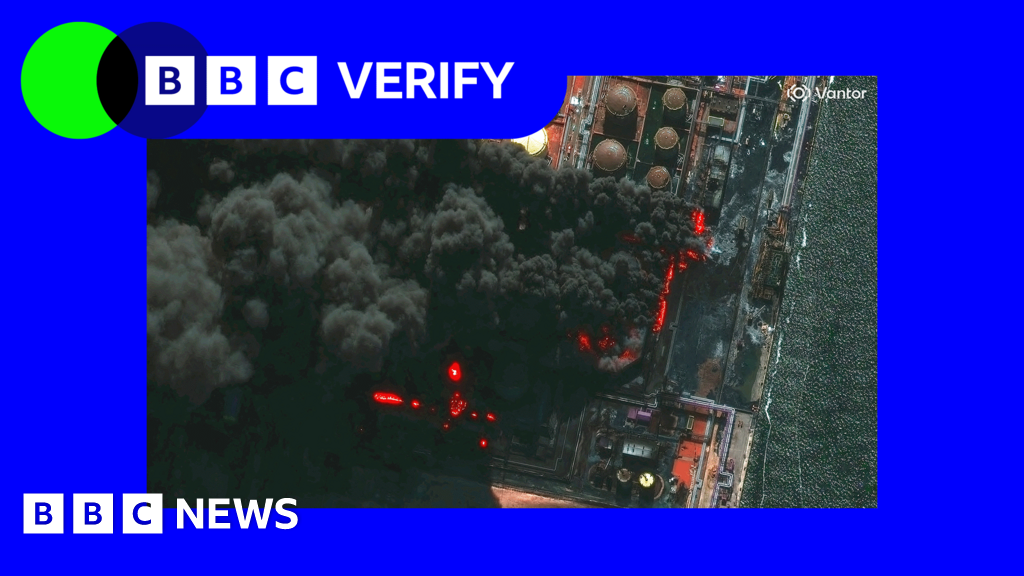
A large smoke plume rises from oil tanks, there are visible flames in the satellite image and the sea nearby is visible
TL;DR
Ukraine targeted Russian oil facilities following extensive Russian aerial attacks. This escalation intertwines with the global energy crisis, directly impacting both nations' strategic calculations and global market stability.
Context Escalations in the Russia-Ukraine conflict now directly impact global energy infrastructure, linking battlefield actions to international markets. Ukraine conducted attacks on multiple Russian oil facilities, intensifying the conflict's economic dimension and aiming to disrupt Russia's war economy. These actions directly follow an extended period of intense aerial attacks by Russia on Ukrainian territory, targeting critical civilian and military infrastructure.
Key Facts The recent Ukrainian operations targeted significant energy infrastructure sites located deep within Russian territory. These strikes aim to reduce Russia's capacity for oil refining and export, a key revenue stream. Russia, in turn, has consistently launched intense aerial attacks against Ukraine, employing a range of missile and drone systems to degrade defensive capabilities and logistics. The broader global energy market currently experiences significant volatility and price fluctuations. Amidst these conditions, Russia benefits from higher global fuel prices and some sanctions relief, particularly due to shifting geopolitical alignments and other regional conflicts, bolstering its economic resilience despite Western sanctions.
What It Means These tit-for-tat attacks highlight the increasing strategic importance of energy resources as both a weapon and a vulnerability in the ongoing conflict. Both nations now face intensified economic pressure points, directly influencing their military strategies, resource allocation, and sustained operational capabilities. The global energy crisis, marked by persistent supply concerns and fluctuating prices, adds another complex layer to these tensions, impacting international stability and trade. A program discussing these complex dynamics and their far-reaching implications was published on April 20, 2026, underscoring ongoing international analysis of the conflict's deep ties to global energy markets. This interplay suggests future actions will likely continue to target economic vulnerabilities, further intertwining military operations with shifts in global energy supply and demand.
Continue reading
More in this thread
Conversation
Reader notes
Loading comments...