Olmert Calls Hezbollah Lebanon’s Enemy, Flags Annexation Talks Amid Conflict
Former Israeli PM Ehud Olmert urges Hezbollah's disarmament as Israel debates annexing southern Lebanon amid rising civilian casualties.
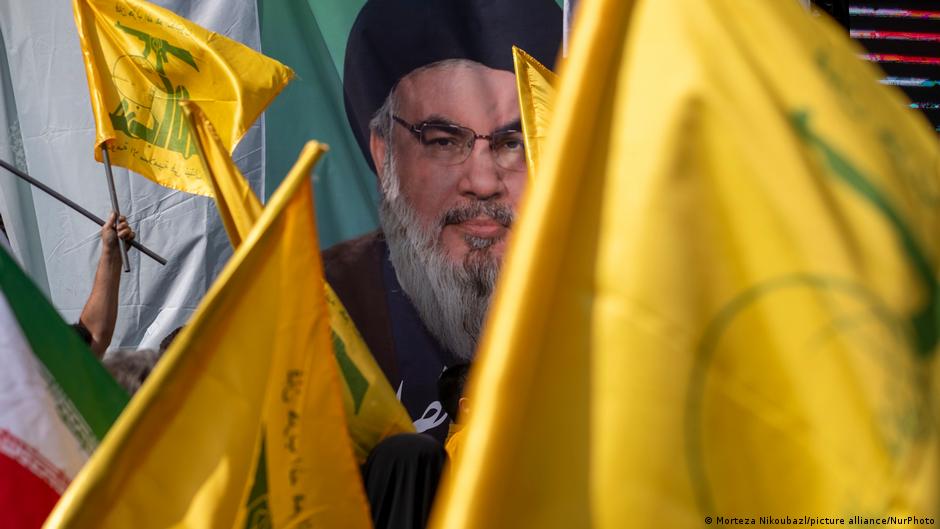
Iranian worshippers wave Lebanon's Hezbollah flags in front of a portrait of the Hezbollah Secretary General, Hassan Nasrallah
TL;DR
Former Israeli premier Ehud Olmert labeled Hezbollah the enemy of Lebanon and urged its disarmament, as Israel’s Lebanon campaign fuels debate over civilian deaths and possible annexation of the south.
Context Olmert appeared on Redi Tlhabi’s UpFront program to discuss the 2006 war, current hostilities, and the broader US‑Israel stance on Iran. His remarks come as Israel intensifies military operations in Lebanon, prompting international scrutiny of civilian harm and the legality of self‑defence.
Key Facts Olmert stated unequivocally that Hezbollah is “the enemy of Lebanon” and must be stripped of its weapons. He framed the group’s arsenal as a barrier to Lebanese sovereignty and a perpetual security threat for Israel.
The ongoing Israeli campaign has reignited a global debate over civilian casualties, alleged ceasefire breaches, and the limits of a nation’s right to self‑defence under international law. Human‑rights monitors report rising non‑combatant deaths, while Israeli officials cite rocket attacks as justification for their strikes.
Senior Israeli leaders are reportedly discussing the annexation of southern Lebanon, a move that would extend Israeli civil authority over the area. This discussion occurs alongside a tentative diplomatic opening with the Lebanese government, which seeks to curb Hezbollah’s influence while preserving national unity.
What It Means Olmert’s hard‑line stance reinforces a narrative that any resolution must include Hezbollah’s disarmament, potentially complicating peace talks that rely on the group’s political participation. The annexation discourse signals a shift from conventional military objectives to longer‑term territorial ambitions, raising the stakes for regional stability.
If Israel proceeds toward annexation, it could trigger a new wave of international sanctions and deepen sectarian divides within Lebanon. Conversely, a diplomatic breakthrough that isolates Hezbollah without territorial changes might offer a path to de‑escalation.
Watch for official statements from Israeli and Lebanese ministries in the coming weeks, and monitor UN Security Council deliberations on civilian protection in the conflict.
Continue reading
More in this thread
Former Qatar PM Calls Strait of Hormuz Crisis the Greatest Threat of Iran War, Proposes Gulf NATO
Nadia Okafor
Alberta Voter List Leak Exposes 2.9 Million Records, 600 Users Accessed
Nadia Okafor
EU Targets Russian Child Abductions, Israeli Settlers and Revives Syria Talks
Nadia Okafor
Conversation
Reader notes
Loading comments...