EU Targets Russian Child Abductions, Israeli Settlers and Revives Syria Talks
EU ministers plan sanctions on Russian officials linked to Ukrainian child abductions, push measures against Israeli settlers, and revive dialogue with Syria.
Newsletter: Sanctions, Syria and a new Hungary
TL;DR
EU foreign ministers in Brussels plan sanctions on Russian actors involved in Ukrainian child abductions, advance measures against Israeli settlers, and reopen political talks with Syria.
The Foreign Affairs Council convenes in Brussels with a packed agenda: cracking down on Russia’s forced removal of Ukrainian children, sanctioning Israeli settlement activity, and restarting an Association Agreement dialogue with Syria.
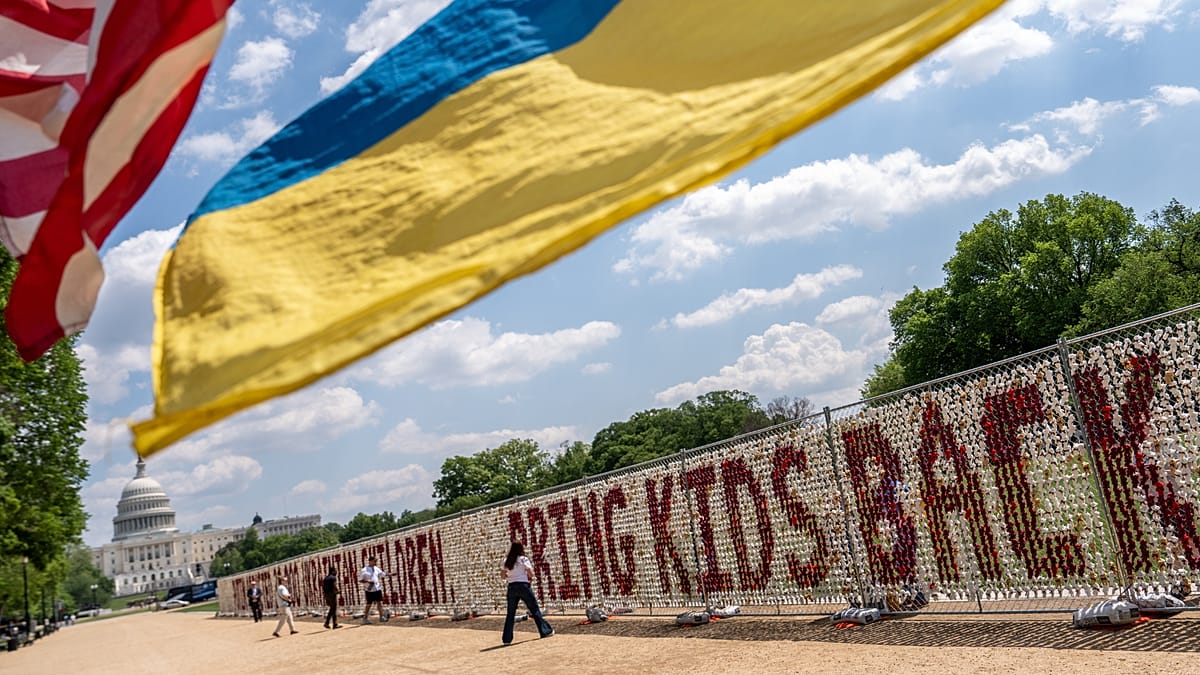
Officials estimate that tens of thousands of Ukrainian children have been taken by Russian authorities since the 2022 invasion began. The EU’s top diplomat called the practice “awful” and urged the bloc to expand its blacklist of Russian individuals responsible for deportations and forced adoptions. A conference co‑hosted by the EU foreign policy chief, the Ukrainian and Canadian foreign ministers will focus on returning the children.
Parallel discussions address the Israeli‑Palestinian front. EU leaders will consider a range of actions to curb imports from Israeli settlements, from a full trade ban requiring unanimity to higher tariffs or quotas that need a qualified majority. A senior diplomat said the settlement sanctions are “long overdue” and expressed hope they will cross the finish line soon. France, Sweden, Ireland, Spain, Belgium and the Netherlands are pushing the measures forward.
The day will close with a high‑level political dialogue between the EU and Syria’s foreign minister, Asaad Hassan al‑Shaibani. The bloc aims to revive negotiations on an Association Agreement that could channel reconstruction funds and attract foreign investment. Human Rights Watch welcomed the outreach but warned that any agreement must address Syria’s human‑rights record and ensure judicial independence.
These moves come as Hungary’s new government, led by Prime Minister Péter Magyar, watches the proceedings closely, potentially softening its historic opposition to key foreign‑policy initiatives such as the European Peace Facility and sanctions on violent settlers.
What it means
Sanctioning Russian actors linked to child abductions signals a firmer EU stance on war crimes and could pressure Moscow on broader humanitarian issues. Advancing settlement sanctions tests EU unity; a unanimous trade ban is unlikely, but a qualified‑majority decision on tariffs could still impact Israeli products and settlement economics. Restarting Syria talks offers a pathway for post‑war reconstruction, yet the EU must balance economic incentives with demands for accountability.
The next week will reveal whether the EU can secure consensus on settlement measures and how Syria’s negotiating position evolves amid ongoing human‑rights concerns.
Continue reading
More in this thread
Alberta Voter Database Leak Exposes 2.9 Million Records, 600 Accesses Confirmed
Nadia Okafor
Nepal Confirms Legal Framework for Remote Work with Foreign Employers
Nadia Okafor
Former Qatar PM Calls Strait of Hormuz Crisis the Greatest Threat of Iran War, Proposes Gulf NATO
Nadia Okafor
Conversation
Reader notes
Loading comments...