Former Qatar PM Calls Strait of Hormuz Crisis the Greatest Threat of Iran War, Proposes Gulf NATO
Sheikh Hamad Al Thani says Iran's control of the Strait of Hormuz is the war's biggest danger and urges a Saudi-led Gulf NATO.
*TL;DR: Former Qatari prime minister Sheikh Hamad bin Jassim Al Thani says Iran’s control of the Strait of Hormuz is the most perilous result of the Israel‑Iran conflict and proposes a Saudi‑backed Gulf NATO to curb Gulf fragmentation.
Context The Israel‑Iran war, sparked by Israel’s 2023 invasion of Gaza, has expanded beyond the Palestinian theater. Over 72,500 Palestinians have died since the conflict began in October 2023, while regional powers grapple with new security calculations.
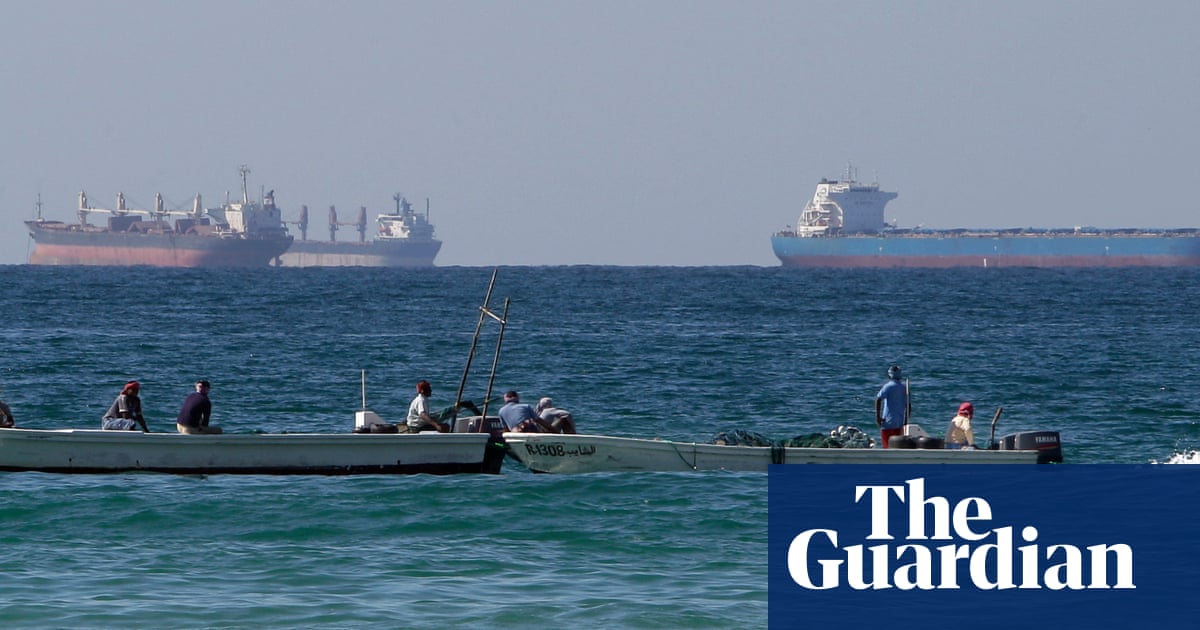
Key Facts Sheikh Hamad told Al Jazeera that Iran’s “weaponisation” of the Strait of Hormuz— the narrow waterway through which roughly a fifth of global oil passes—constitutes the war’s most dangerous outcome. He warned that Tehran treats the chokepoint as sovereign territory, threatening global energy markets more directly than its nuclear program. He blamed Israeli Prime Minister Benjamin Netanyahu’s hard‑line faction for dragging the United States into a war that was sold as quick and decisive, a narrative he says the U.S. accepted despite past hesitations. To address the emerging threat, the former Qatari premier announced a plan for a “Gulf NATO.” The proposal envisions a joint political and defence pact anchored by Saudi Arabia, modeled on the early European Union, to unite Gulf states against both external pressure and internal disunity. He acknowledged the historic deterrent role of U.S. bases but warned that America’s pivot to Asia reduces the reliability of that security umbrella.
What It Means If Gulf states adopt a NATO‑style framework, regional defence could shift from reliance on U.S. forces to a self‑sustaining collective. Such a structure might deter Iran from further disrupting the Strait, stabilising oil flows and limiting the war’s spillover. Conversely, the proposal could spark rivalry among Gulf monarchies wary of Saudi leadership, complicating consensus. The next weeks will reveal whether Gulf capitals move toward a formal defence pact or continue to depend on U.S. guarantees amid escalating tensions in the Hormuz corridor.
Continue reading
More in this thread
Conversation
Reader notes
Loading comments...