NI Leaders Divided on Whether UK Vote Fuels Irish Unity Push
Sinn Fein and the DUP disagree on whether recent UK election results signal a push for Irish unity, amid SNP and Plaid Cymru victories.
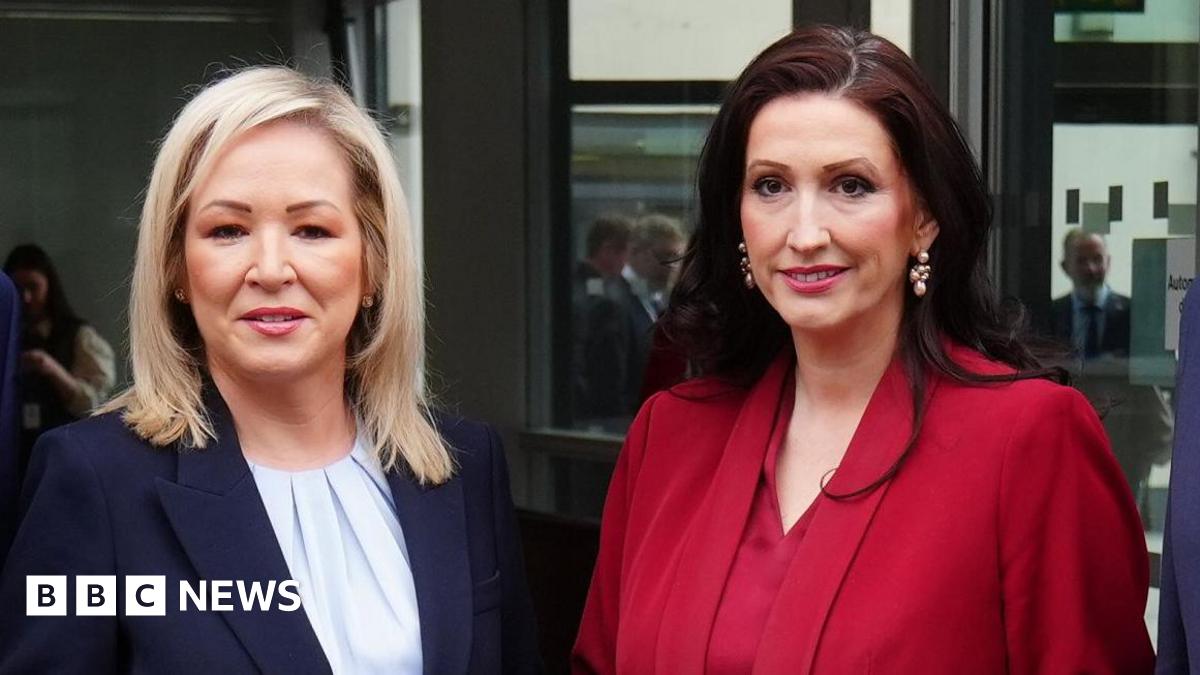
Michelle O'Neill, a woman with shoulder-length blonde hair, and Emma Little-Pengelly, a woman with long, dark hair, pose for a photo. O'Neill is wearing a navy suit jacket with a pale pleated-neck top and Little-Pengelly is wearing a bright red suit jacket over a matching red blouse.
TL;DR
Sinn Fein sees the UK election as a signal for Irish unity, while the DUP attributes voter frustration to slow delivery, not constitutional change.
Context The recent general election in Great Britain delivered victories for the Scottish National Party in Scotland and Plaid Cymru in Wales. For the first time, pro‑independence parties could hold the top post in all three devolved nations—Scotland, Wales and Northern Ireland—if the current power‑sharing arrangements persist. The outcome sparked a debate at the North‑South Ministerial Council (NSMC) meeting in Armagh, where ministers from the Republic of Ireland and Northern Ireland discuss cross‑border issues such as agriculture and transport.
Key Facts First Minister Michelle O’Neill of Sinn Fein declared that voters are “tired of the shackles in Westminster,” framing the election as a “seismic” shift that cannot ignore the “desire for independence.” She emphasized shared goals of national self‑determination with the SNP and Plaid Cymru, while pledging to work in good faith with all parties. Deputy First Minister Emma Little‑Pengelly of the Democratic Unionist Party (DUP) countered that the results reflect frustration with the slow pace of policy delivery from governments in Great Britain, not a push toward constitutional change. She warned against reading the vote as a step toward Irish unity.
Irish Prime Minister Micheál Martin, present at the NSMC, cautioned against equating local election outcomes with a general election, noting “increasing fragmentation with politics everywhere.” Tánaiste Simon Harris added that post‑Brexit relations between Ireland, the UK and the EU remain at their strongest since the 1998 Good Friday Agreement, suggesting stability despite political turbulence.
What It Means The split between Sinn Fein and the DUP highlights divergent interpretations of voter sentiment across the UK. Sinn Fein’s framing positions the election as a catalyst for a broader independence agenda, potentially reshaping discussions on Irish unity. The DUP’s focus on service delivery underscores a pragmatic approach, seeking to keep constitutional questions off the agenda.
Future monitoring will center on how the new Scottish and Welsh governments interact with Stormont, whether the NSMC can translate shared interests into concrete policies, and if any formal moves toward a unity referendum emerge in the months ahead.
Continue reading
More in this thread
Conversation
Reader notes
Loading comments...