Reform Secures Majority on St Helens Council with 34 Seats as Turnout Falls to 38.5%
Reform takes overall control of St Helens Borough Council with 34 seats as voter turnout drops to 38.5%; Rainhill Independents' Tasker leads with 2,372 votes.
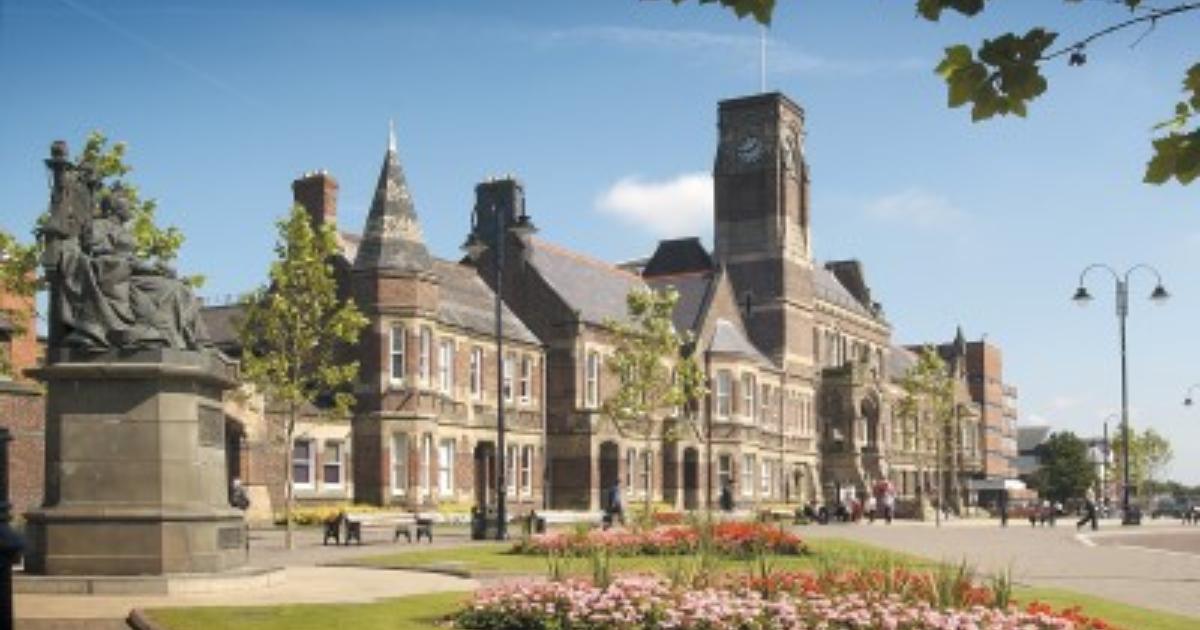
St Helens town hall
*TL;DR – Reform Party captured 34 of 46 council seats, gaining overall control of St Helens Borough Council; 51,751 voters (38.5% turnout) cast ballots, with Rainhill Independents’ Tasker topping the Rainhill ward at 2,372 votes.*
Context Friday, 8 May 2026, marked the final count of the St Helens Borough Council local elections. All 46 seats were contested across the borough’s wards. Ballots were verified before counting, a standard procedure to ensure integrity.
Key Facts Reform emerged as the dominant force, winning 34 seats and therefore securing overall control of the council. The Liberal Democrats, Newton‑le‑Willow Independents, and Rainhill Independents each secured three seats, Labour took two, and the Conservatives held one. Voter engagement was low: 51,751 ballots were cast, representing a 38.5% turnout.
In the Rainhill ward, the Rainhill Independents performed strongly. Candidate Tasker received the highest personal tally, 2,372 votes, outpacing fellow independents and party candidates. The ward’s three seats went to Rainhill Independents, reinforcing their local presence.
Other notable results included multiple wards where Reform (listed as “Ref”) swept all available seats, such as West Park, Blackbrook, and Haydock, each delivering three Reform councillors. Labour’s best performances were in Eccleston, where Liberal candidates won all three seats, and in Newton‑le‑Willows West, where three Newton‑le‑Willow Independents prevailed.
What It Means With 34 seats, Reform now holds a clear majority, allowing it to set the council’s agenda without needing coalition support. The party’s dominance across most wards suggests broad voter alignment with its local platform, despite overall low turnout. Independent groups, particularly the Rainhill Independents, retain pockets of influence, as demonstrated by Tasker’s strong personal vote.
The modest turnout raises questions about civic engagement in local governance. Future elections may see parties intensify outreach to boost participation. Watch for how Reform translates its majority into policy decisions on housing, transport, and public services, and whether opposition groups can capitalize on the turnout gap to regain ground in the next cycle.
Continue reading
More in this thread
Connecticut Sends Sweeping AI Bill to Governor as Iowa Enacts Chatbot Safety Law and California Prepares Key Votes
Nadia Okafor
China Rejects Foreign Media Claims of Interference in Honduras Relations
Nadia Okafor
Green Party Seizes Lewisham, Tops Lambeth, Gains 440 Councillors and First Mayors
Nadia Okafor
Conversation
Reader notes
Loading comments...