NASA Study Shows Fungus Aspergillus calidoustus Withstands Simulated Deep‑Space Conditions
NASA research shows 23 of 27 fungi from spacecraft cleanrooms survived UV exposure, with Aspergillus calidoustus enduring months of radiation and Mars‑like cold, informing planetary protection.
TL;DR
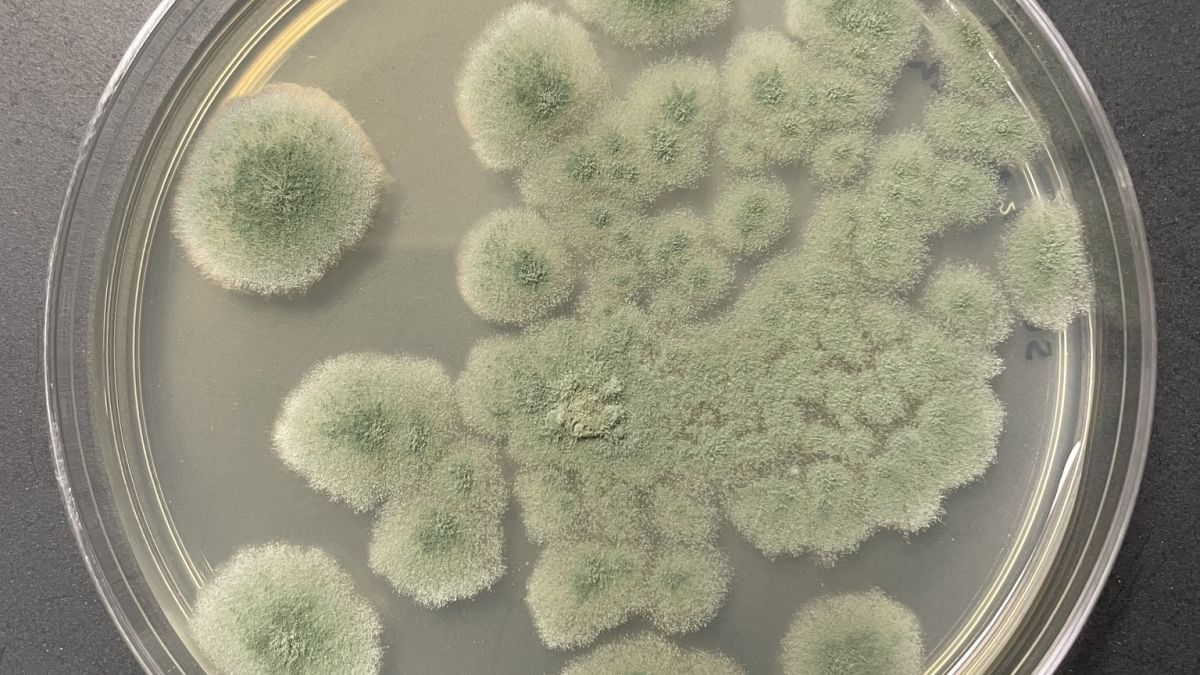
A NASA‑led study exposed 27 fungal strains from spacecraft cleanrooms to space‑like stresses; 23 survived ultraviolet irradiation and one, Aspergillus calidoustus, endured months of ionizing radiation, Mars‑like pressure, and temperatures down to ‑60 °C.
Context Scientists swabbed cleanrooms used for the Mars 2020 mission to catalog microbes that might hitch a ride on spacecraft. Even after routine decontamination, 27 fungal strains were isolated, prompting a test of their hardiness under conditions mimicking interplanetary travel.
Key Facts Of the 27 strains, 23 (about 85 %) withstood intense ultraviolet irradiation far stronger than Earth‑surface levels. Aspergillus calidoustus stood out, surviving not only UV but also months of ionizing radiation equivalent to a Mars‑bound cruise, near‑vacuum pressure similar to Mars’ atmosphere, and cold down to ‑60 °C. Current planetary protection rules allow no more than 300 microbial spores per square meter on Mars‑bound craft.
What It Means Microbiologist Kasthuri Venkateswaran of NASA’s Jet Propulsion Laboratory notes the work does not predict likely Mars contamination but sharpens estimates of microbial survival risks. The results highlight a gap in planetary protection strategies, which have focused mainly on bacteria while overlooking resilient fungi.
What to watch next Future Mars sample‑return and Artemis missions will likely trigger updated guidelines that incorporate fungal resilience data from studies like this one, published in Applied and Environmental Microbiology.
Continue reading
More in this thread
Microsoft Pauses Future Carbon Removal Purchases Amid AI-Driven Power Surge
Dr. Leo Tanaka
NASA Study Shows Fungus Aspergillus calidoustus Can Survive Simulated Deep‑Space Conditions
Dr. Leo Tanaka
Anti-tracking solar panels boost potato yields above full-sun levels, Italian study shows
Dr. Leo Tanaka
Conversation
Reader notes
Loading comments...