Anti-tracking solar panels boost potato yields above full-sun levels, Italian study shows
An Italian study reveals anti-tracking solar panels increase potato yields beyond full-sun levels, demonstrating agrivoltaics' potential for sustainable food and energy production.
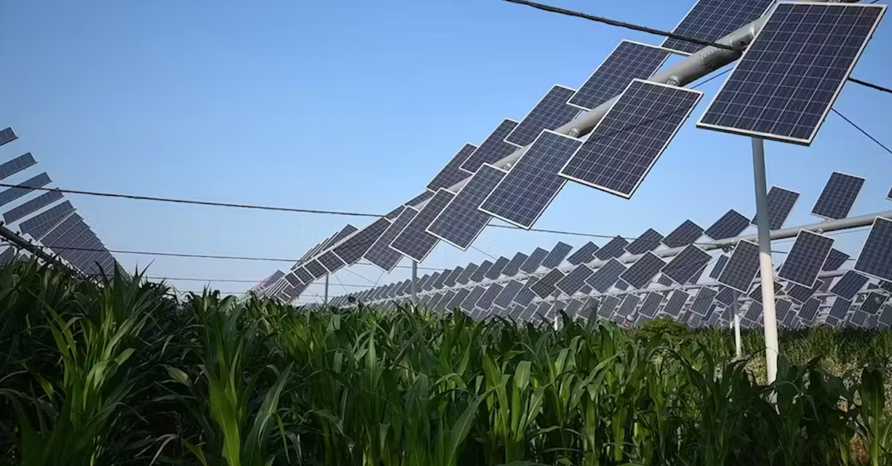
A new Italian study shows that dynamically adjusting solar panels can boost potato yields, even surpassing traditional full-sun cultivation. This agrivoltaic approach integrates renewable energy generation with food production.
Integrating solar power with agriculture, known as agrivoltaics, offers a solution to land use constraints by growing crops beneath solar panels. However, balancing optimal shade for plant growth with maximum energy generation presents a complex challenge, especially for sun-loving plants like potatoes.
A four-year study conducted in Italy, published in the journal *Smart Agricultural Technology*, explored this balance using a commercial dual-axis tracking solar installation. Researchers tested various shade conditions, including a unique "anti-tracking" maneuver that briefly rotated panels away during critical crop development.
In 2021, potato yields under full sunlight reached 51.5 tonnes per hectare, establishing a baseline for conventional cultivation. The 2024 anti-tracking test revealed a significant finding. Potatoes grown with this adjusted solar panel setup yielded 32.7 tonnes per hectare, surpassing the 30.3 tonnes per hectare produced in a full-sun plot during that same year.
This specific panel movement did come with a trade-off. Using standard solar tracking during the potato growing season reduced electricity output by approximately 15%. However, this successful strategy highlights a promising direction for agrivoltaics in addressing dual pressures of food security and climate change.
Dynamically managing solar panel orientation can increase food production while simultaneously generating clean energy on the same land. Strategic shading from panels can also help protect crops from extreme heat, a growing concern in regions facing increased heatwaves. The study, conducted at an organic farming site, further demonstrates the system’s potential compatibility with sustainable, chemical-free agriculture, suggesting a rare win-win scenario for land use in a transitioning climate.
The focus now shifts to developing responsive agrivoltaic systems that integrate real-time data. These systems would optimize both crop yields and energy generation based on specific plant needs and environmental conditions.
Continue reading
More in this thread
Microsoft Pauses Future Carbon Removal Purchases Amid AI-Driven Power Surge
Dr. Leo Tanaka
NASA Study Shows Fungus Aspergillus calidoustus Can Survive Simulated Deep‑Space Conditions
Dr. Leo Tanaka
NASA Study Shows Fungus Aspergillus calidoustus Withstands Simulated Deep‑Space Conditions
Dr. Leo Tanaka
Conversation
Reader notes
Loading comments...