NASA Study Shows Fungus Aspergillus calidoustus Can Survive Simulated Deep‑Space Conditions
New NASA research shows Aspergillus calidoustus can survive simulated deep-space conditions, impacting planetary protection guidelines for future Mars missions and astronaut health.
TL;DR
NASA research identifies a resilient fungus, *Aspergillus calidoustus*, capable of surviving harsh simulated deep-space conditions, challenging current planetary protection protocols for Mars missions. This finding highlights a potential oversight in safeguarding other worlds from Earth microbes.
Context Humanity's exploration of the Solar System carries an inherent risk of "forward contamination," the unintentional transport of Earth-based microbes to other celestial bodies. The UN's 1967 Outer Space Treaty mandates avoiding harmful contamination, requiring rigorous measures to prevent hitchhiking lifeforms. Despite decontamination efforts, spacecraft are not entirely sterile, raising concerns about organisms robust enough to endure space travel.
Key Facts A recent study published in *Applied and Environmental Microbiology* by researchers from NASA's Jet Propulsion Laboratory reveals the surprising resilience of certain fungi. Scientists swabbed NASA cleanrooms used for the Mars 2020 program, isolating 27 fungal strains. They then subjected these strains to a battery of tests simulating deep-space conditions, including intense ultraviolet (UV) irradiation, prolonged exposure to ionizing radiation (high-energy particles that can damage cellular DNA), and Mars-like atmospheric pressures and temperatures.
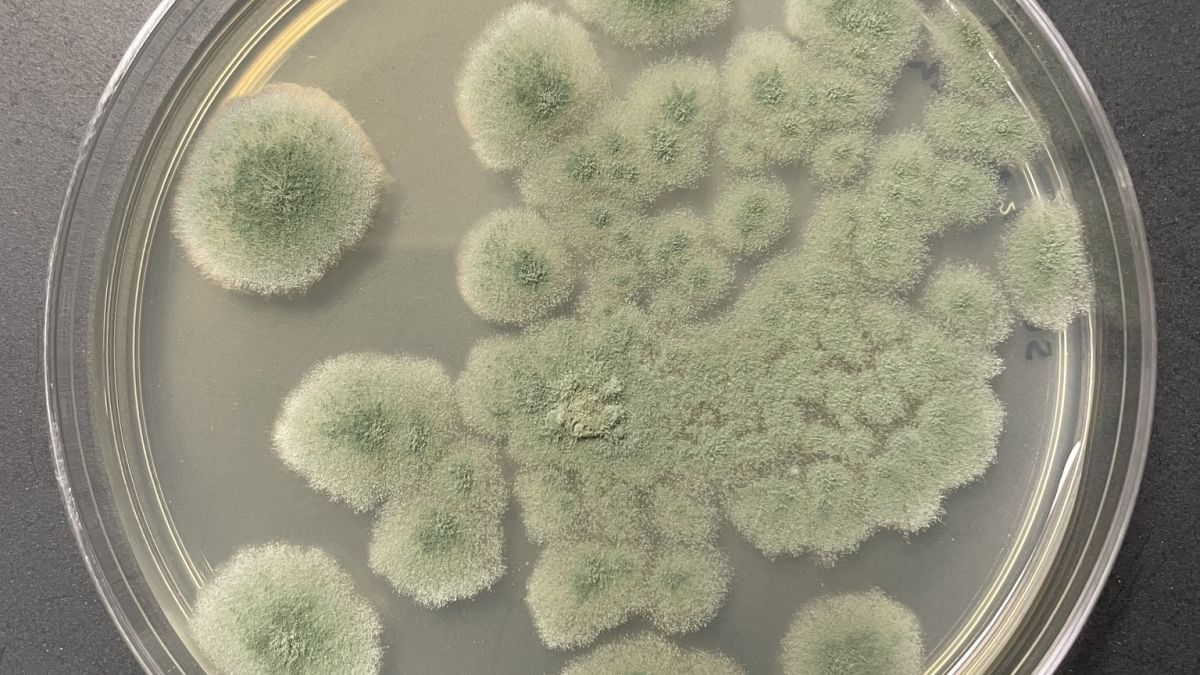
Out of the 27 fungal strains tested, 23 demonstrated the ability to withstand the intense ultraviolet irradiation. One species, *Aspergillus calidoustus*, emerged as an exceptional survivor. Laboratory tests showed this fungus endured UV radiation, extensive ionizing radiation exposure over months, and atmospheric conditions replicating those on Mars. Current planetary protection guidelines limit spacecraft bound for Mars to a maximum of 300 microbial spores, which are dormant reproductive cells, per square meter.
What It Means This study suggests that certain fungi represent an overlooked component in planetary protection strategies. The capacity for *Aspergillus calidoustus* to survive multiple space-relevant conditions indicates its potential as a forward contaminant, capable of reaching and persisting on Mars. As missions like the Artemis program prepare for human exploration beyond Earth, understanding these microbial survival risks becomes critical. Refining sterilization protocols and reassessing microbial risk assessments for current and future space exploration missions will be essential.
Continue reading
More in this thread
Microsoft Pauses Future Carbon Removal Purchases Amid AI-Driven Power Surge
Dr. Leo Tanaka
Anti-tracking solar panels boost potato yields above full-sun levels, Italian study shows
Dr. Leo Tanaka
NASA Study Shows Fungus Aspergillus calidoustus Withstands Simulated Deep‑Space Conditions
Dr. Leo Tanaka
Conversation
Reader notes
Loading comments...