Minister defends Tyrone cattle euthanasia as unavoidable despite public outcry
Andrew Muir states 51 cattle were euthanised after a court order, saying remote options were impossible, while critics claim the cull was seen by the public.
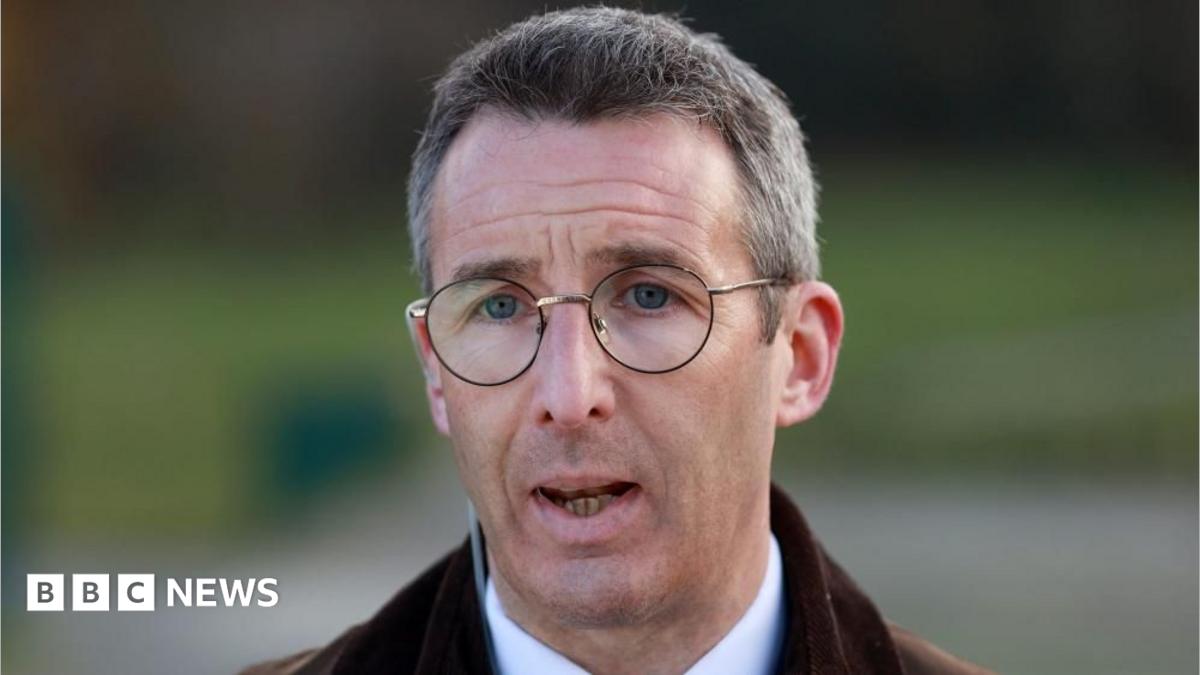
A man with glasses and short dark, greying hair
TL;DR
The agriculture minister says 51 cattle were euthanised in a County Tyrone field after a court order, insisting there was no reasonable alternative, while critics argue the cull was conducted in view of the public.
Context
In late June a court order required the destruction of cattle belonging to a farmer previously convicted of animal welfare offences. The Department of Agriculture, Environment and Rural Affairs (Daera) was tasked with carrying out the order, which included removing the animals from the farm and euthanising them. The herd owner had been given three weeks to sell or dispose of the stock; when officials arrived, 51 cattle remained on the premises.
Key Facts
Minister Andrew Muir stated in a Thursday statement that removing the animals for remote euthanasia was “generally preferable” but, in this case, veterinary staff assessed that option as “simply not possible.” He cited a lack of suitable, safe facilities on the farm to gather and contain the animals, the temperament of the stock, the presence of horned cattle, and transport difficulties as reasons remote euthanasia could not be used.
The minister said staff used the most suitable areas within the field to minimise exposure to public view, though complete screening could not be guaranteed. He added that silencers were used and there were no reports of loud gunfire. Fifty cattle were shot on 29 June, with a final animal euthanised the next morning; carcasses were collected on 30 June at department expense.
The incident drew criticism after claims emerged that some of the cattle were culled in sight of members of the public near Fivemiletown. Politicians from the Clogher Valley area had previously reported distress among neighbours who witnessed the cull. The Ulster Farmers’ Union called for an independent review, with president John McLenaghan describing the union as “shocked, angered and deeply distressed.”
A local farmer approached Daera staff at the scene expressing interest in purchasing some animals; operations were briefly halted while the farmer, another individual, and the herd keeper attempted to move the cattle into a lorry. The animals were chased onto a public road, creating health and safety risks, before Daera staff intervened. After a small number of protesters left the site, the remaining cattle were moved from the road and euthanised.
Muir ordered an external review into the incident and is due to appear before a Stormont committee on Monday to answer questions about the operation.
What It Means
The minister’s defence hinges on the claim that legal and logistical constraints left no viable alternative to on‑site euthanasia. If accepted, this could reinforce the view that court‑ordered animal destructions must sometimes proceed under difficult conditions, potentially shaping future guidance for similar cases. Conversely, the visible nature of the cull and the union’s demand for an independent review suggest a risk to public confidence in Daera’s ability to balance legal obligations with animal welfare and community sensitivities. The outcome of the review may influence whether procedures for remote euthanasia are revised or whether additional safeguards are introduced for future court‑mandated culls.
What to watch next
The external review’s findings, expected in the coming weeks, will clarify whether any procedural gaps existed and whether ministerial statements align with investigative evidence. Muir’s appearance before the Stormont agriculture committee on Monday will be an early test of political accountability. Additionally, the Ulster Farmers’ Union’s planned attendance at the committee to challenge Daera’s handling of the operation may signal further pressure for transparency and potential policy adjustments.
Continue reading
More in this thread
El-Sayed Clinches Michigan Democratic Senate Primary, Faces Rogers in November
Nadia Okafor
Michigan Senate Democratic Primary Too Close to Call as El‑Sayed Leads Stevens
Nadia Okafor
England’s Devolution Push Requires a Firmer Constitutional Foundation
Nadia Okafor
Conversation
Reader notes
Loading comments...