Michigan Senate Democratic Primary Too Close to Call as El‑Sayed Leads Stevens
With 95% of ballots counted, Abdul El‑Sayed leads Haley Stevens by just over one point in Michigan’s Democratic Senate primary, leaving the outcome uncertain as both candidates prepare to face Republican Mike Rogers in November.
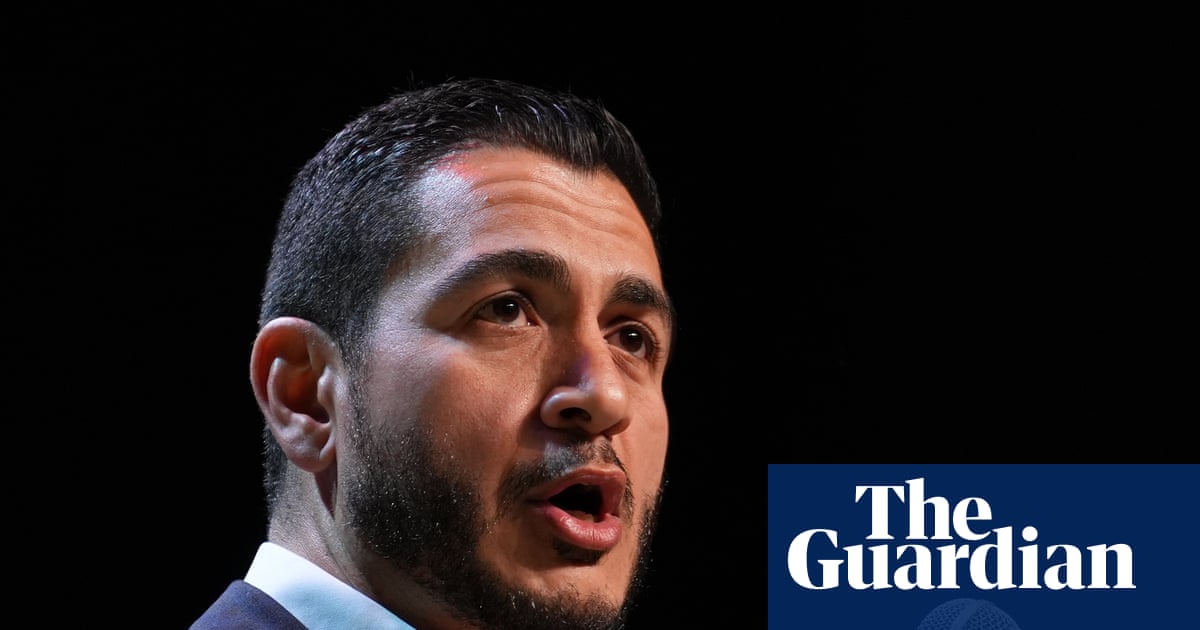
**Abdul El‑Sayed holds a slim lead over Haley Stevens in Michigan’s Democratic Senate primary, with 48.7% to 47.3% of votes counted so far, but the race remains too close to call.
Context
Michigan’s Democratic Senate primary has become the focal point for the party’s effort to win back a Senate seat in a state that voted for Donald Trump in 2016 and Joe Biden in 2020. The outcome will shape the Democratic path to a Senate majority in the November midterms.
The seat is open after Senator Gary Peters announced he will not seek re‑election, making the contest a direct test of Democratic strength in a battleground state. Both parties view Michigan as a bellwether for suburban and industrial voters.
Beyond the Senate race, the primary also reflects broader tensions within the Democratic Party between progressive candidates advocating for sweeping reforms and establishment figures emphasizing electability and pragmatic governance in the upcoming election cycle.
Key Facts
As of 4 a.m. local time, with roughly 95 % of ballots processed, Abdul El‑Sayed led Haley Stevens 48.7 % to 47.3 %, a gap of just over one percentage point.
The vote count continued into the early hours at the Majestic Theater in Detroit, where hundreds of El‑Sayed supporters remained despite the late hour, while Stevens’ team waited at the Hotel Saint Regis for further updates.
El‑Sayed, a former public health official, has campaigned on a platform of universal healthcare, climate action, and reducing the influence of corporate money in politics. Stevens, a three‑term congresswoman, has highlighted her record on infrastructure, manufacturing, and bipartisan problem‑solving.
Outside spending has played a notable role; Stevens’ campaign has received tens of millions of dollars from groups including those affiliated with the American Israel Public Affairs Committee, while El‑Sayed has relied more on grassroots donations and small‑donor contributions.
What It Means
A lead of less than two points with a significant share of ballots still uncounted means either candidate could ultimately prevail once all votes are tallied. Historically, Michigan primaries have seen late‑break shifts that overturn early leads.
For Democrats, securing the nomination in Michigan is considered vital to mounting a credible challenge against Republican nominee Mike Rogers, who has positioned himself as a critic of the party’s agenda and seeks to flip the seat back to the GOP.
The close result also underscores the ongoing divide between the party’s progressive wing, which backs El‑Sayed’s policy agenda, and its more moderate faction, which views Stevens as a safer bet in a general election. How the party manages this divide could influence voter turnout and down‑ballot races in November.
What to watch next
Election officials will continue to tabulate absentee and provisional ballots through Wednesday, with a final outcome possibly not declared until later in the day. Any shift in the margin above or below the threshold for an automatic recount will be closely watched.
Regardless of who wins the primary, both candidates have signaled a desire to unite the party against Rogers, and their post‑primary statements will indicate how effectively they can bridge the progressive‑establishment gap heading into the general election.
Continue reading
More in this thread
Conversation
Reader notes
Loading comments...