Microsoft and OpenAI End Exclusivity, Opening AI Models to AWS and Other Clouds
Microsoft drops exclusive rights to OpenAI's AI models, enabling Amazon Web Services and other clouds to host them while keeping revenue share until 2030.
TL;DR
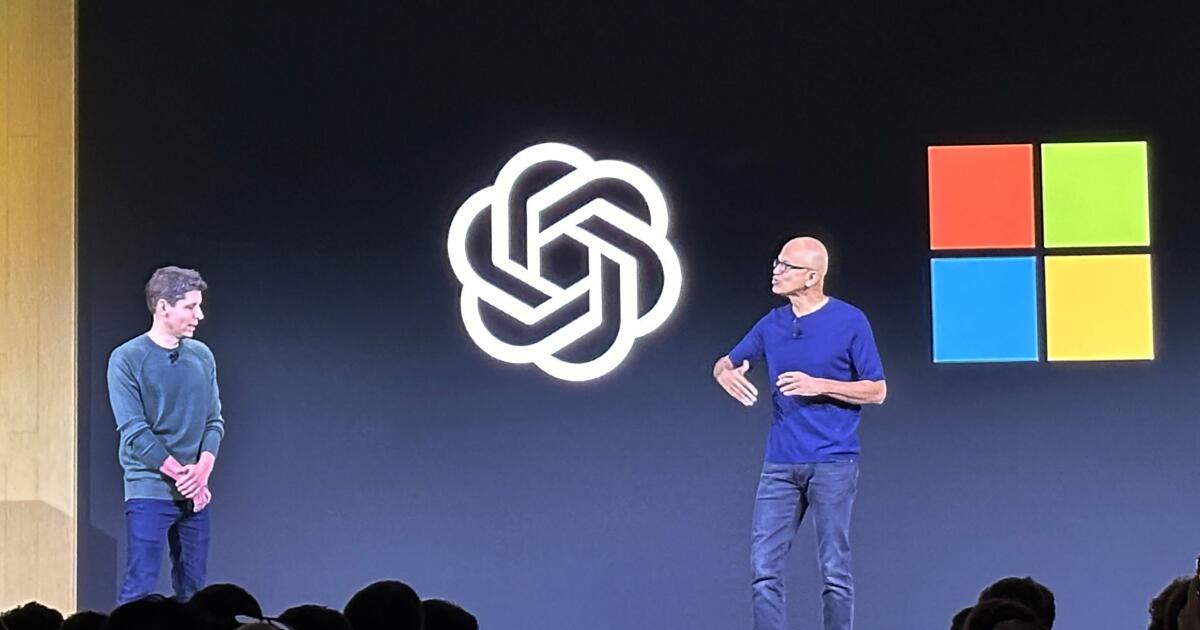
Microsoft and OpenAI have terminated their exclusive cloud‑hosting agreement, letting OpenAI sell its models on Amazon Web Services and other platforms while keeping a revenue share for Microsoft until 2030.
Context Microsoft and OpenAI announced a revised partnership on Monday, ending the software giant’s sole right to sell the startup’s AI models. The change follows years of Microsoft‑driven growth in the AI market and reflects OpenAI’s need for broader compute capacity.
Key Facts - The new agreement promises greater predictability and flexibility for both firms to build and operate AI platforms at scale. - Microsoft will continue to receive a revenue share from OpenAI through 2030, regardless of whether OpenAI reaches artificial general intelligence, the point at which a system matches human capability across tasks. - Under the prior deal, Microsoft would have stopped receiving revenue once AGI was achieved; the revised terms keep payments flowing. - Microsoft remains OpenAI’s primary cloud provider, with new products debuting first on Azure, but the models can now appear on Amazon Web Services and other cloud services. - OpenAI’s revenue share on its own product sales is capped, though the cap amount was not disclosed.
What It Means Dropping exclusivity removes a barrier that once funneled most of OpenAI’s cloud revenue to Microsoft. The startup can now tap Amazon’s massive infrastructure to meet growing demand, potentially accelerating the rollout of larger models. For Microsoft, the continued revenue stream secures a financial foothold while preserving its status as the preferred launch platform for OpenAI’s latest offerings.
Analysts note that the shift aligns with Microsoft’s broader multi‑model strategy and reflects OpenAI’s incentive to diversify distribution. The move also comes as both companies face legal pressure from Elon Musk, who alleges OpenAI abandoned its founding principles.
Investors will watch how quickly OpenAI’s models appear on competing clouds and whether the new revenue structure influences Microsoft’s cloud growth. The next weeks will reveal if the partnership can sustain its joint AI ambitions while navigating a more open market.
Continue reading
More in this thread
Conversation
Reader notes
Loading comments...