Left-wing win in Michigan Senate primary shakes Democratic leadership
Abdul El-Sayed's win over establishment-backed Haley Stevens in Michigan's Democratic Senate primary highlights a party split, setting up a November showdown that could affect Senate control and shape the left's future in national politics.
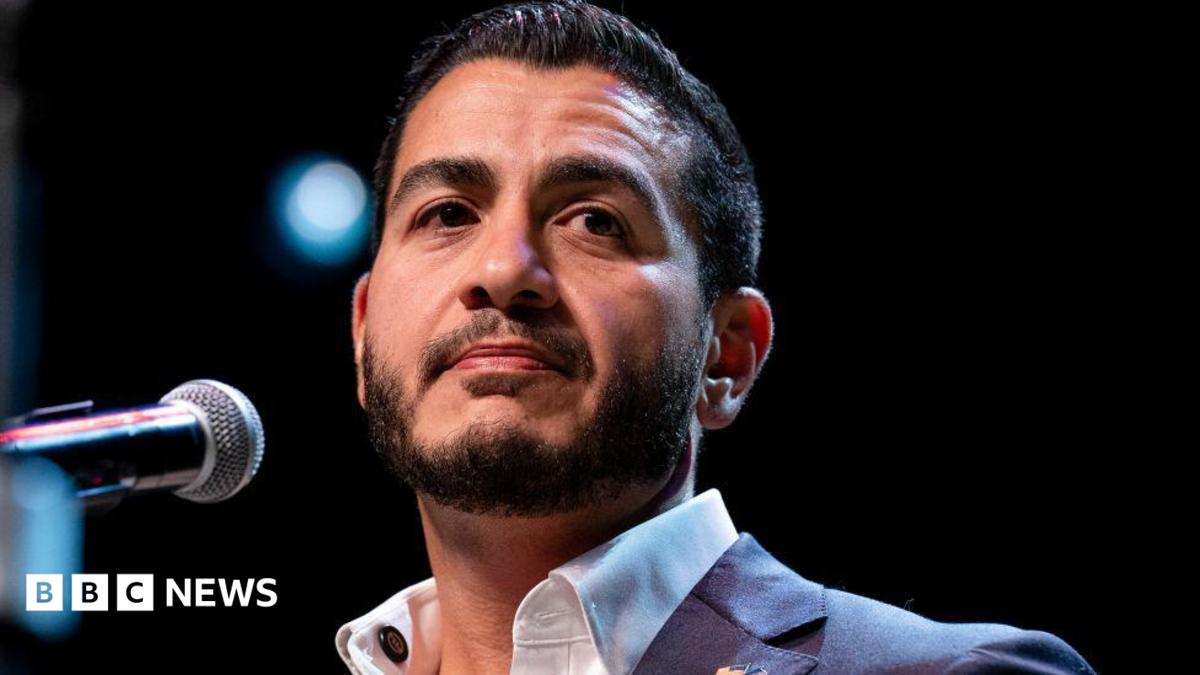
Abdul El-Sayed on stage wearing an open necked white shirt and blue suit jacked, at an election night watch party at The Majestic Theatre in Detroit
**TL;DR Abdul El-Sayed's victory in Michigan's Democratic Senate primary exposes a rift between the party's establishment and its left-wing base, setting up a high-stakes November contest that could influence Senate control and future presidential nominations.
Context
Michigan voters chose Abdul El-Sayed over Haley Stevens, the candidate backed by Democratic leadership in Washington. El-Sayed, a former state health official and son of Egyptian immigrants, campaigned on a left-wing platform that calls for government-sponsored health insurance, lower prescription drug prices, higher taxes on wealth and campaign-finance reform. His slogan "money out of politics, money in your pocket" mirrored messages from other progressive candidates nationwide. Stevens entered the race with $32 million in cash on hand and enjoyed a nine-to-one advantage in outside-group spending, much of it linked to pro-Israel donors such as AIPAC. Despite the financial edge, El-Sayed won by a narrow margin after leading in polls for weeks, a result that highlighted possible shortcomings in pre-election surveys.
Key Facts
- El-Sayed's win sent tremors through Democratic Party leadership, indicating the establishment's preferred candidate could be defeated by a grassroots challenger. - In a national environment where Republicans face electoral headwinds, Democratic primary voters opted for a left-wing insurgent, raising the stakes in a Senate race that could determine overall chamber control. - The central question is whether El-Sayed's ability to energize the party base and channel voter frustration will appeal to a broader electorate in November. - Analysts debate whether an unabashedly left-wing Democrat can prevail in a swing state like Michigan, which has voted Republican in recent presidential contests. - The party establishment, which had backed Stevens, now hopes El-Sayed can expand his appeal beyond the progressive base. - El-Sayed secured endorsements from Senators Bernie Sanders and Elizabeth Warren and congresswoman Alexandria Ocasio-Cortez, signaling strong support from the party's left flank. - His campaign emphasized reducing the influence of money in politics, a theme that resonated with voters concerned about corporate influence. - Outside groups spent heavily on Stevens, yet El-Sayed prevailed despite being outspent, suggesting voter preferences were not fully captured by funding advantages. - The general election will pit El-Sayed against former Republican congressman Mike Rogers, who faced no opposition in the GOP primary. - Rogers has positioned himself as a moderate Republican focused on border security and economic growth, setting up a clear ideological contrast. - If El-Sayed loses, Democrats lose a realistic chance to flip a Senate seat that has been Republican-held since 1994, weakening their bid for chamber control. - If he wins, the outcome would serve as proof-of-concept that a left-wing candidate can win a swing state, potentially encouraging the party to nominate more progressive figures for future presidential cycles, including 2028. - Michigan's early spot on the Democratic presidential primary calendar means the result could shape the party's nominee selection process for 2028 and beyond. - Voter turnout in the primary was higher than expected among college-educated liberals, while lower-income and rural voters leaned toward Stevens, indicating a coalition-building challenge for El-Sayed.
What It Means
A loss for El-Sayed would deprive Democrats of a viable path to retake a Senate seat that has been Republican-held since 1994, making the overall battle for chamber control more difficult. A victory would demonstrate that a left-wing platform can succeed in a battleground state, offering a template for progressive candidates in other swing regions. The result would also influence internal party debates about the balance between establishment pragmatism and activist energy heading into the 2024 election cycle. Moreover, Michigan's early primary status means the outcome could affect which candidates gain momentum in the 2028 presidential race, potentially shifting the party's ideological direction.
What to watch next
Watch how El-Sayed tailors his message to win over lower-income and rural voters who favored Stevens, and whether Republican attacks on his policy proposals alter the race dynamics ahead of the November election.
Continue reading
More in this thread
El-Sayed Clinches Michigan Democratic Senate Primary, Faces Rogers in November
Nadia Okafor
Michigan Senate Democratic Primary Too Close to Call as El‑Sayed Leads Stevens
Nadia Okafor
England’s Devolution Push Requires a Firmer Constitutional Foundation
Nadia Okafor
Conversation
Reader notes
Loading comments...