Lebanon’s Ninth Journalist Killing This Year Fuels War Crime Claims Against Israel
Amal Khalil, the ninth journalist killed in Lebanon this year, died after an Israeli strike hit her vehicle and the shelter she sought. Lebanon’s PM calls it a war crime; Israel denies targeting media.
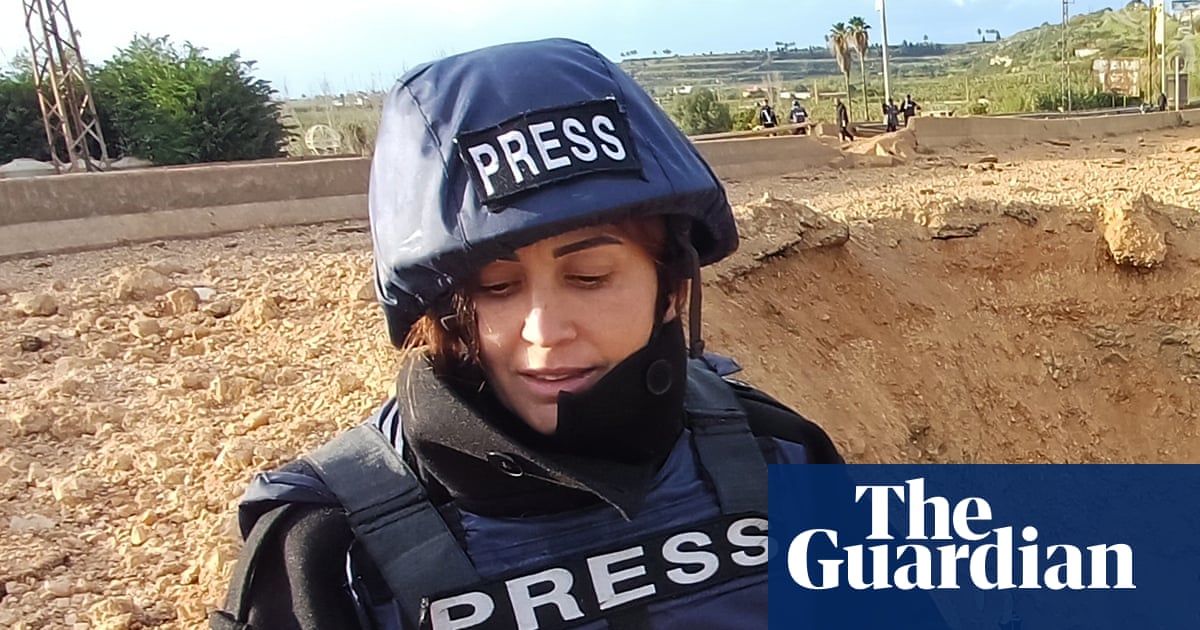
TL;DR
Amal Khalil, a Lebanese journalist, became the ninth media worker killed in Lebanon this year after an Israeli airstrike struck her vehicle and then the building where she sought shelter. Lebanon’s prime minister called the pattern a war crime, while Israel’s adviser denied targeting journalists.
Context Khalil, 43, worked for al‑Akhbar newspaper and had been based in southern Lebanon for years. On Thursday she was driving near the village of al‑Tiri when an Israeli strike hit a vehicle ahead of her, wounding her and a colleague, Zeinab Faraj. She took cover in a nearby house, which was struck by a second Israeli airstrike several hours later. Rescue teams arrived but were blocked by Israeli fire and stun grenades, preventing them from reaching her for over six hours. Her body was finally retrieved shortly before midnight, after medics and family members had attempted a desperate dig‑out. Khalil had previously told local media she received a death threat from an unidentified Israeli number warning her to leave southern Lebanon or face death.
Key Facts Khalil is the ninth journalist killed in Lebanon in 2025, marking a sharp rise in press fatalities compared with previous years. Prime Minister Nawaf Salam said Israel’s targeting of media workers in the south is an established approach that constitutes a war crime under international law. Israeli foreign affairs adviser Ophir Falk stated that Israel does not target civilians or journalists and that the incident is under review, adding that the military seeks to minimise risk to non‑combatants.
What It Means The killing reinforces Lebanese officials’ claim that Israel is conducting a deliberate campaign to silence reporters and obscure its military actions in the south. Under the Geneva Conventions, journalists are civilians and intentional attacks on them can be prosecuted as war crimes. Israel maintains it avoids civilian harm and says any casualties are under investigation, though past reviews rarely assign blame to its forces. Several press freedom groups have condemned the killing and called for an independent investigation. The incident may prompt Lebanon to pursue legal avenues in international bodies and could increase diplomatic scrutiny of Israel’s conduct.
What to watch next Observers will monitor whether Lebanon files formal complaints at the UN Human Rights Council or the International Criminal Court, and how Israel’s internal review addresses claims that rescue efforts were obstructed.
Continue reading
More in this thread
UK Readies RAF Typhoons from Qatar to Patrol Hormuz Strait After Iran War
Nadia Okafor
UK Readies RAF Typhoons for Hormuz Patrol Post‑Iran War
Nadia Okafor
Surrey Police End Rape Inquiry After Finding No Offence, Citing Protest Violence and Four Arrests
Nadia Okafor
Conversation
Reader notes
Loading comments...