UK Readies RAF Typhoons for Hormuz Patrol Post‑Iran War
Britain prepares to send RAF Typhoons from Qatar to guard the Hormuz Strait after the Iran war, supporting a multinational effort to keep oil tankers safe.
TL;DR
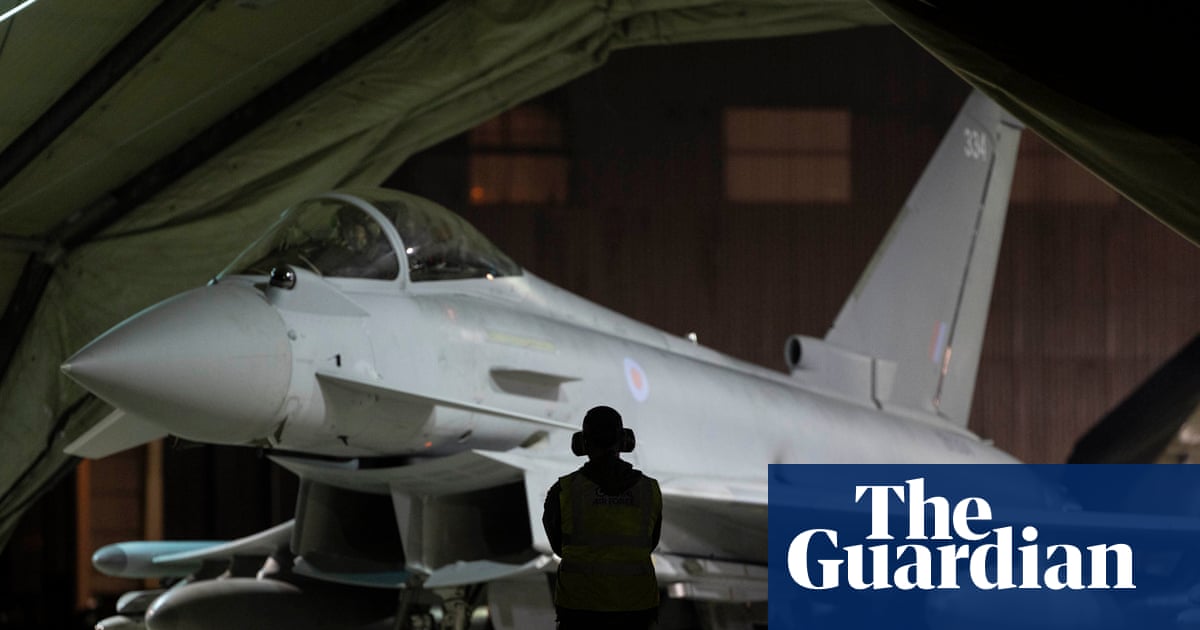
The UK intends to deploy eight RAF Typhoon fighters from Qatar to patrol the Strait of Hormuz after the Iran war ends, as part of a multinational effort to keep the shipping lane open.
Context
British military planners met with representatives from 30 countries at the UK’s Northwood headquarters to discuss options for securing the Hormuz corridor. The meeting, co‑hosted with France, produced a joint statement emphasizing practical military options and a coordinated plan to safeguard freedom of navigation. Defence Secretary John Healey attended the session and reiterated the goal of protecting merchant vessels from any residual threat once hostilities cease. The UK has also offered mine‑hunting drones and specialist divers, though no decision has been made on sending additional warships such as HMS Dragon.
Key Facts
- The UK plans to send RAF Typhoon jets from Qatar to patrol the Strait of Hormuz after the Iran war ends. - John Healey said the planners’ task was to develop practical military options and a coordinated joint plan to safeguard freedom of navigation in the Strait of Hormuz. - Eight RAF Typhoon jets are currently stationed in Qatar.
What It Means
Deploying Typhoons from Qatar allows the UK to leverage its air power while avoiding the strain on its limited naval fleet, which has faced criticism for low ship availability. The aircraft can respond quickly to threats such as drone attacks and provide a visible deterrent to any attempts to disrupt tanker traffic. Because the mission depends on a peace deal or sustainable ceasefire, the actual timing of the patrols remains uncertain. The deployment also signals Britain’s commitment to burden‑sharing within NATO and allied frameworks, showing that air contributions can complement naval efforts. Officials note that operating from Qatar reduces transit time and logistical footprint compared with launching from UK bases. Analysts will watch for any formal agreement on the multinational mission’s rules of engagement and for signals about whether the UK will commit additional assets like warships or drone squadrons.
Continue reading
More in this thread
Fact Check: Ontario Budget Retroactively Weakens FOI Laws, Shields Premier’s Phone Records
Nadia Okafor
Trump Says King Charles' US Visit Could 'Absolutely' Repair UK Relations
Nadia Okafor
Mamdani Faces Saturday Deadline to Veto Controversial School Buffer-Zone Bill Amid Union Pressure
Nadia Okafor
Conversation
Reader notes
Loading comments...