UK Readies RAF Typhoons from Qatar to Patrol Hormuz Strait After Iran War
Britain plans to send RAF Typhoons from Qatar to patrol the Strait of Hormuz after the Iran war, aiming to keep the critical waterway open and safeguard navigation freedom.
TL;DR
Britain is preparing to deploy Royal Air Force (RAF) Typhoons from Qatar to patrol the Strait of Hormuz following the conclusion of the Iran war, aiming to secure international shipping. This initiative focuses on developing practical military options and a coordinated joint plan to safeguard freedom of navigation.
The Strait of Hormuz represents a strategic maritime passage, through which approximately 20% of the world's oil supply transits daily. Its unhindered access is critical for global energy markets and international trade. The recent conflict has heightened international focus on maintaining the security and navigability of this vital chokepoint.
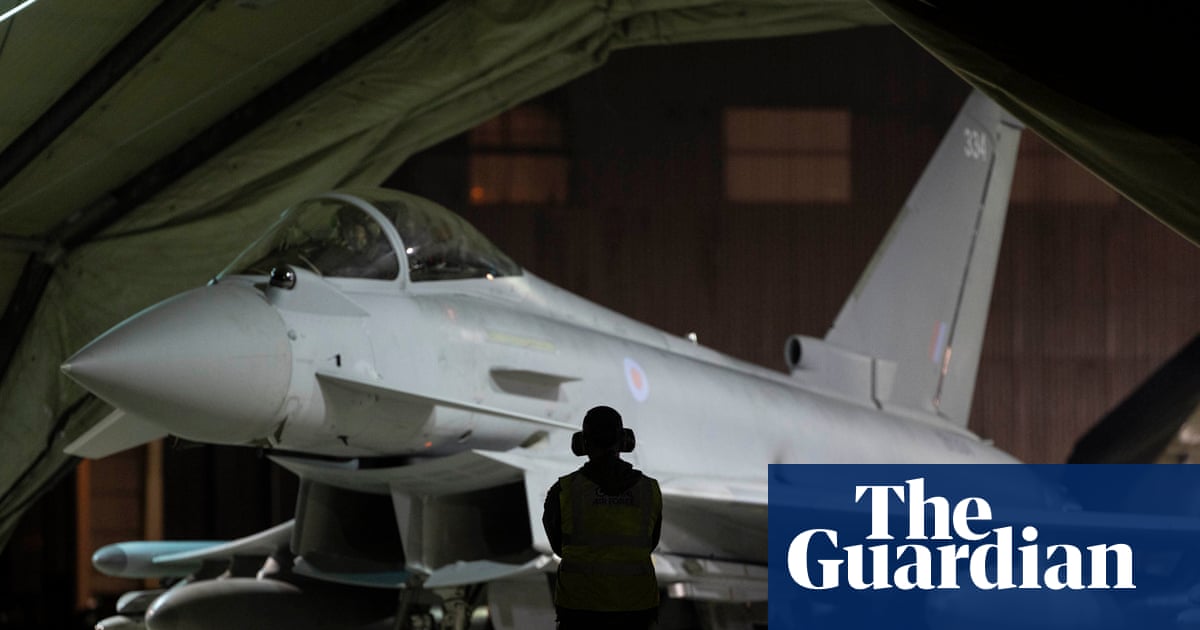
Britain plans to send a squadron of RAF Typhoons, presently stationed in Qatar, to patrol the Strait of Hormuz once the Iran war ends. This action aims to ensure the waterway remains open for all international shipping. Eight of these fast jets were active in shooting down drones defending allied countries in the Gulf during the recent 38-day conflict.
Defence Secretary John Healey articulated the mission's goal: to develop practical military options and a coordinated joint plan. This plan specifically seeks to safeguard freedom of navigation within the Strait of Hormuz. The UK has also offered to deploy specialized mine-hunting drones and expert divers. These assets would clear any Iranian mines potentially laid within the strait.
While these offers advance, a decision regarding the deployment of a Royal Navy warship, such as HMS Dragon or another vessel, remains pending. This British proposal was a core component of discussions during a 30-country meeting held at the UK’s Northwood headquarters.
This commitment underscores a strategic shift towards air power and specialized maritime units for post-conflict stabilization. The focus on deploying RAF jets from existing regional bases like Qatar, alongside counter-drone capabilities, aligns with recent operational considerations. This approach contrasts with earlier emphasis on large naval deployments during previous crises. The pending decision on a warship indicates ongoing tactical assessments.
Such multinational planning, involving countries like Germany, Norway, South Korea, and Australia, seeks to establish a robust security framework. This framework aims to protect oil tankers and other merchant shipping from potential threats, assuming a stable ceasefire or peace deal.
Future discussions will clarify the full scope of international participation and the exact composition of the security mission intended to maintain the Strait of Hormuz's open passage.
Continue reading
More in this thread
Fact Check: Ontario Budget Retroactively Weakens FOI Laws, Shields Premier’s Phone Records
Nadia Okafor
Trump Says King Charles' US Visit Could 'Absolutely' Repair UK Relations
Nadia Okafor
Mamdani Faces Saturday Deadline to Veto Controversial School Buffer-Zone Bill Amid Union Pressure
Nadia Okafor
Conversation
Reader notes
Loading comments...