Italy summons Russian ambassador after Solovyov calls Meloni a fascist
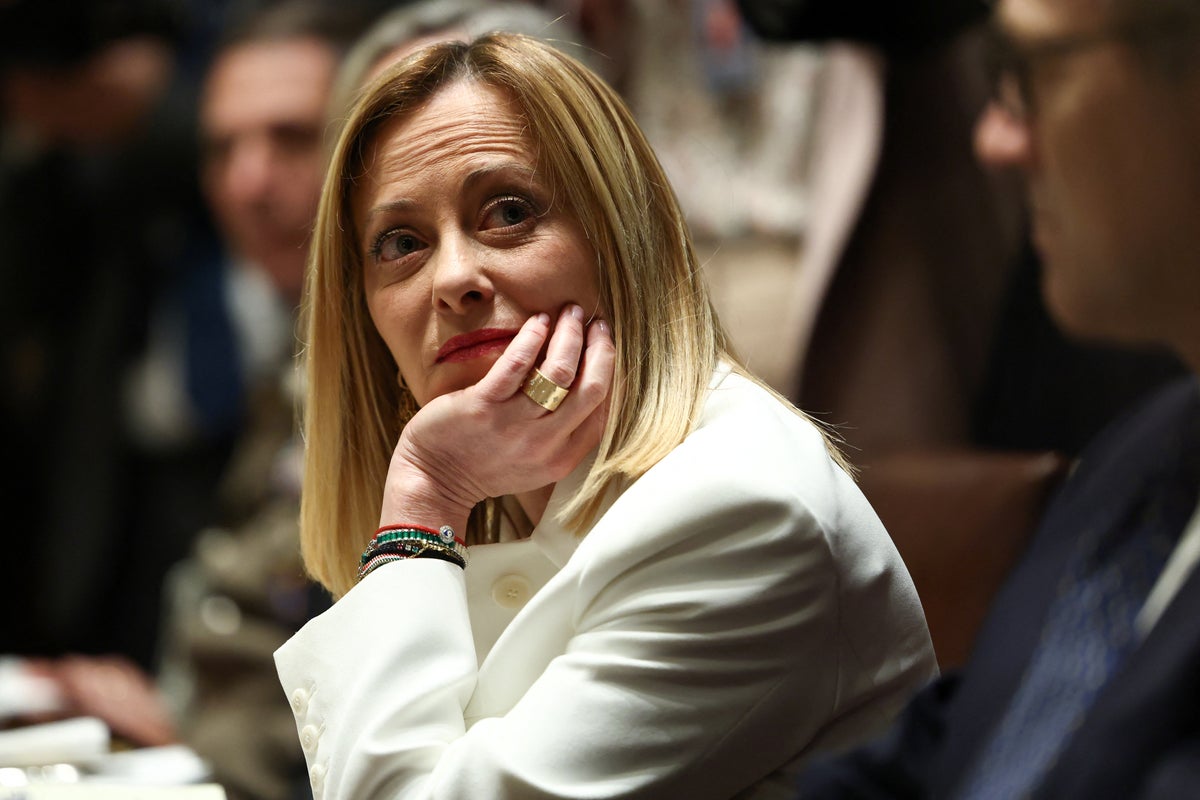
Italy lodged a formal protest, summoning Russia's ambassador after a state TV presenter's controversial remarks about PM Giorgia Meloni sparked diplomatic tensions.
TL;DR
Italy has summoned Russia's ambassador following controversial remarks made by a prominent Russian TV presenter against Prime Minister Giorgia Meloni. This diplomatic action highlights growing tensions over public commentary and international discourse.
Context A diplomatic incident unfolded between Italy and Russia after a prominent Russian TV presenter made critical on-air statements. These remarks directly targeted Italian Prime Minister Giorgia Meloni, prompting a formal and public protest from Rome. The episode raises questions about the boundaries of media commentary in bilateral relations.
Key Facts Italian Foreign Minister Antonio Tajani announced on April 21 the summoning of Russia's ambassador to Rome, Alexei Paramonov. Tajani conveyed this decision via X, stating the purpose was to express an official protest regarding offensive remarks about Prime Minister Giorgia Meloni. This action highlights Italy's resolve to address what it deems inappropriate foreign commentary.
Russian TV presenter Vladimir Solovyov had called Meloni a "fascist" and a "certified idiot" during a broadcast. He further accused the Italian Prime Minister of betraying her constituents, statements that quickly garnered significant attention. These specific remarks directly triggered the Italian Foreign Ministry's strong diplomatic response.
Ambassador Paramonov, upon being summoned, offered a counterpoint to the Italian action. He stated that summoning an ambassador over a journalist's remarks deviates from standard diplomatic practice. This indicates Moscow's stance that Solovyov's commentary represents personal views, not official government policy. The incident therefore underscores a fundamental difference in how state and media pronouncements are perceived in international discourse.
What It Means This diplomatic demarche signifies Italy's firm stance against perceived foreign disrespect or interference directed towards its leadership. While Russia characterizes the remarks as belonging to a private journalist, Italy's decision to summon the ambassador elevates the issue to an official diplomatic level. Such an exchange tests established international protocols for handling public criticism that originates from foreign media figures, especially those with ties to state-controlled outlets. Observers will now watch how this incident impacts broader diplomatic relations between Italy and Russia. Future interactions could reveal whether this remains an isolated protest or if it signals a deeper strain in bilateral ties.
Continue reading
More in this thread
Virginia Voters Approve Congressional Redistricting, But Legal Battles Loom
Nadia Okafor
Starmer Admits Considering Aide for Diplomatic Role Without Foreign Secretary's Knowledge
Nadia Okafor
China Leverages Neutral Stance and 90% Iran Oil Imports to Gain Influence Amid US-Israel War
Nadia Okafor
Conversation
Reader notes
Loading comments...