China Leverages Neutral Stance and 90% Iran Oil Imports to Gain Influence Amid US-Israel War
China strategically uses a neutral stance and its position as Iran's top oil buyer to enhance influence in the Middle East during the US-Israel conflict.
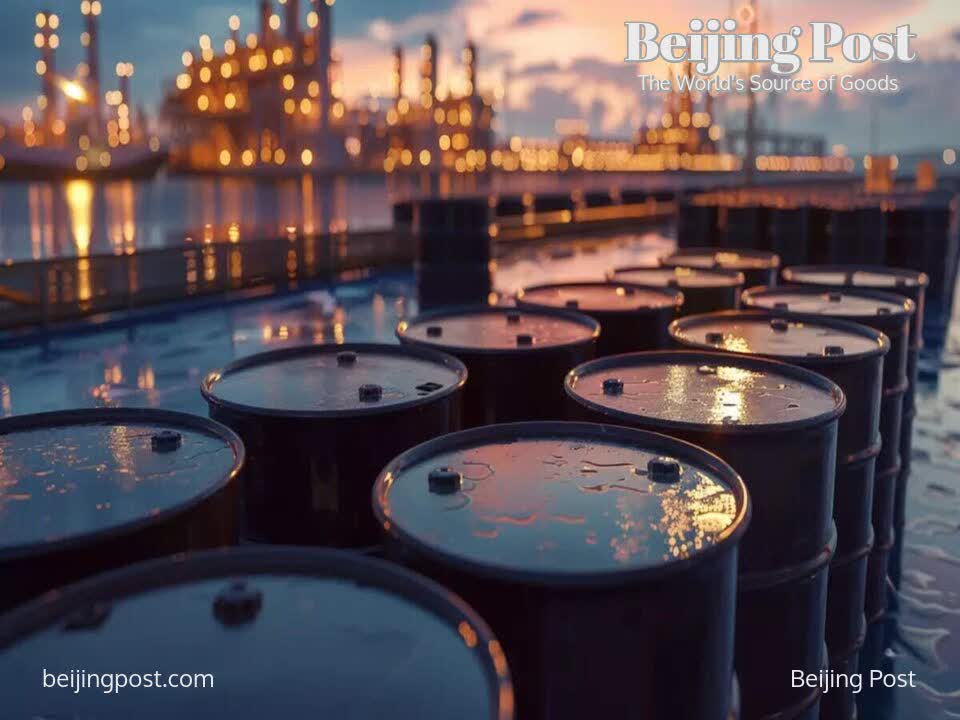
China positions itself as a stable player amidst Middle East tensions by maintaining a neutral stance and leveraging significant economic ties with Iran. This approach contrasts with direct US involvement in the ongoing conflict.
China is steadily expanding its influence in the Middle East, opting for a neutral diplomatic stance while leveraging deep economic ties with Iran amidst the US-Israel war. This strategy allows Beijing to navigate regional complexities without direct military entanglement, presenting an alternative to more interventionist approaches.
President Xi Jinping recently urged the Strait of Hormuz, a critical international shipping lane for global energy supplies, to remain open for normal passage. He stated this serves the common interests of both regional countries and the international community. This call underscores China's consistent focus on economic stability and uninterrupted trade routes, particularly as regional tensions impact maritime commerce.
Beijing's economic relationship with Tehran is substantial and long-standing. China purchases up to 90% of Iran's oil exports, establishing itself as Iran's largest trade partner. This significant energy dependency creates a powerful bond and provides China with considerable leverage in its dealings with Iran, underpinning its pragmatic foreign policy in the region.
Analysts observe China's strategic patience and measured approach. Gedaliah Afterman, head of the Asia-Israel policy programme at the Abba Eban Institute for Diplomacy and Foreign Relations, noted China is benefiting from the ongoing conflict by waiting and seizing opportunities rather than taking dramatic actions. This approach effectively allows the United States to handle the direct conflict, preserving China's resources and diplomatic capital for strategic positioning.
By adopting a non-interventionist posture, China distinguishes itself from other global powers with a more active military presence and explicit alignment. It presents itself as a reliable partner focused on economic stability and diplomatic resolution, rather than direct military engagement or explicit political alignment. This measured strategy aims to enhance China's long-term standing and influence across the region by demonstrating a commitment to non-interference and mutual economic benefit. This stance allows Beijing to maintain relationships with all involved parties, from Iran to Gulf states and even the US and Israel.
The region will observe how China continues to balance its substantial economic interests with its neutral diplomatic stance, carefully expanding its geopolitical role in the evolving Middle East landscape. This ongoing approach signals a long-term play for influence.
Continue reading
More in this thread
Virginia Voters Approve Congressional Redistricting, But Legal Battles Loom
Nadia Okafor
Starmer Admits Considering Aide for Diplomatic Role Without Foreign Secretary's Knowledge
Nadia Okafor
Italy summons Russian ambassador after Solovyov calls Meloni a fascist
Nadia Okafor
Conversation
Reader notes
Loading comments...