Grid‑Powered Vertical Lettuce Emits Nearly Nine Times More CO₂ Than Spanish Field Grown
Study finds lettuce grown in Dutch vertical farms on grid electricity releases up to 8.9 kg CO₂‑eq per kg, far higher than outdoor lettuce from Spain.
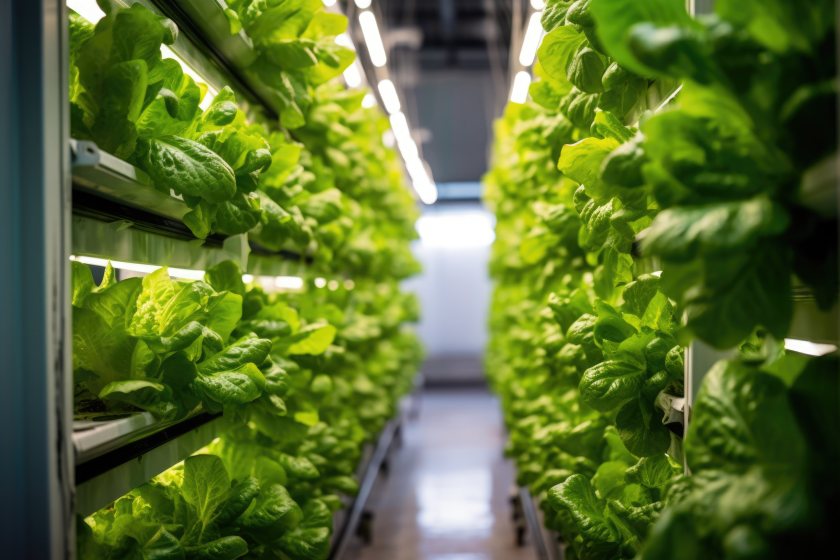
Vertical farming currently comes with a higher carbon cost, researchers say
TL;DR
A lettuce grown in a Dutch vertical farm on grid power releases about 8.9 kg CO₂‑eq per kilogram, roughly nine times the emissions of the same crop grown outdoors in Murcia, Spain.
Context Vertical farming stacks crops in climate‑controlled racks, promising water savings, land efficiency and year‑round harvests. The model works best for leafy greens and herbs, but its biggest drawback is electricity demand for LED lighting and climate control. Researchers compared the carbon footprint of lettuce grown in a Dutch warehouse to that of lettuce cultivated in open fields in southeastern Spain and then shipped to northern Europe.
Key Facts A life‑cycle assessment (LCA) measured emissions from seed to plate, including cultivation, storage, transport and packaging. Outdoor lettuce in Murcia generated 0.25 kg CO₂‑eq per kilogram, a figure that aligns with other studies reporting 0.20‑0.25 kg for Spanish field lettuce. By contrast, a vertical farm powered by the Dutch grid emitted 8.9 kg CO₂‑eq per kilogram—about 15 times the outdoor value and nearly nine times higher than the 0.98 kg figure derived from a separate study that used 8.18 kg for grid‑powered lettuce. The LCA assumed 15 kWh of electricity per kilogram of lettuce for lighting, climate control and irrigation.
When the same vertical farm switched to wind‑generated electricity, emissions dropped dramatically to 0.56 kg CO₂‑eq per kilogram, matching the low‑impact profile of Spanish outdoor lettuce. Transport contributed only 0.20 kg CO₂‑eq per kilogram for a 2,100 km refrigerated truck run, meaning electricity use dominates the carbon balance.
What It Means The data show that vertical farms can be carbon‑neutral only if they draw power from low‑carbon sources. Relying on a fossil‑heavy grid erases the environmental advantages of reduced water use and shorter supply chains. For lettuce and similar greens, the current Dutch electricity mix makes indoor production far less sustainable than traditional Spanish fields. Policymakers and investors should therefore prioritize renewable energy integration in vertical farming projects.
Looking Ahead Watch for upcoming studies on renewable‑powered vertical farms and for utility‑scale green power contracts that could shift the emissions balance in favor of indoor lettuce production.
Continue reading
More in this thread
Conversation
Reader notes
Loading comments...