Wind‑Powered Vertical Lettuce Farms Near Parity With Spanish Fields
Wind‑powered Dutch vertical farms emit 0.56 kg CO₂‑eq/kg lettuce, close to Spain's 0.20‑0.25 kg range, offering a low‑carbon alternative for leafy greens.
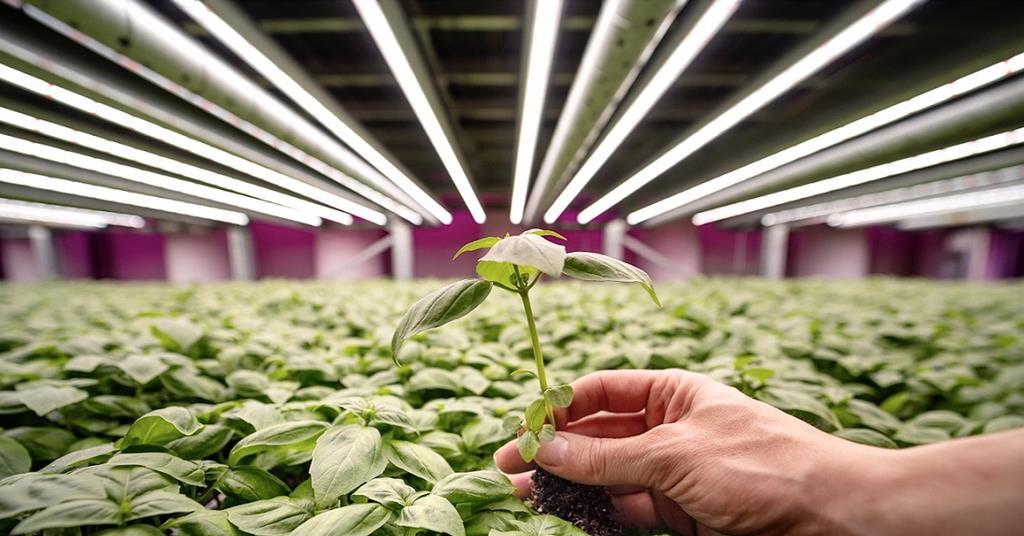
A vertical farm's climate change impact can be reduced by using renewable energy
TL;DR
Wind‑powered vertical farms in the Netherlands emit about 0.56 kg CO₂‑eq per kilogram of lettuce, a figure that rivals the 0.20‑0.25 kg CO₂‑eq of Spanish field lettuce.
Context Vertical farms grow leafy greens in stacked, climate‑controlled trays, eliminating the need for land, water, and pesticides. The trade‑off is high electricity use for LED lighting and climate control. Spain’s Murcia region supplies most European lettuce, shipping it over 2,000 km to northern markets.
Key Facts - A life‑cycle assessment (LCA) that tracks emissions from seed to plate shows grid‑powered Dutch lettuce emits 8.9 kg CO₂‑eq per kilogram, roughly 15 times the outdoor benchmark. - Outdoor lettuce in Murcia generates 0.20–0.25 kg CO₂‑eq per kilogram, driven by fertilizer production, irrigation and modest transport emissions. - When the same vertical farms run on wind electricity, emissions drop to 0.56 kg CO₂‑eq per kilogram. The calculation assumes 15 kWh of electricity per kilogram of lettuce, the same energy demand but sourced from wind turbines instead of the mixed grid. - Transport from Spain to the Netherlands adds about 0.20 kg CO₂‑eq per kilogram, based on a 2,100 km diesel‑truck run consuming 40 L per 100 km and a factor of 3.468 kg CO₂ per liter.
What It Means Wind energy narrows the gap between indoor and outdoor lettuce production to a factor of two, making vertical farms a viable low‑carbon alternative for leafy greens. The remaining difference stems from the inherent energy intensity of artificial lighting; even renewable power cannot erase that baseline demand. If European logistics shift to electric trucks, transport emissions could fall further, tightening the comparison.
Future monitoring should track the scaling of wind‑powered farms, the carbon intensity of national grids, and the adoption of electric freight. These variables will determine whether indoor lettuce can consistently match or beat the climate performance of traditional Spanish fields.
Continue reading
More in this thread
Conversation
Reader notes
Loading comments...