German rescuers release beached humpback calf despite experts warning of low survival odds
A 10‑metre humpback whale nicknamed Timmy or Hope was freed into the North Sea after a six‑week stranding; experts warn survival chances are low.
TL;DR
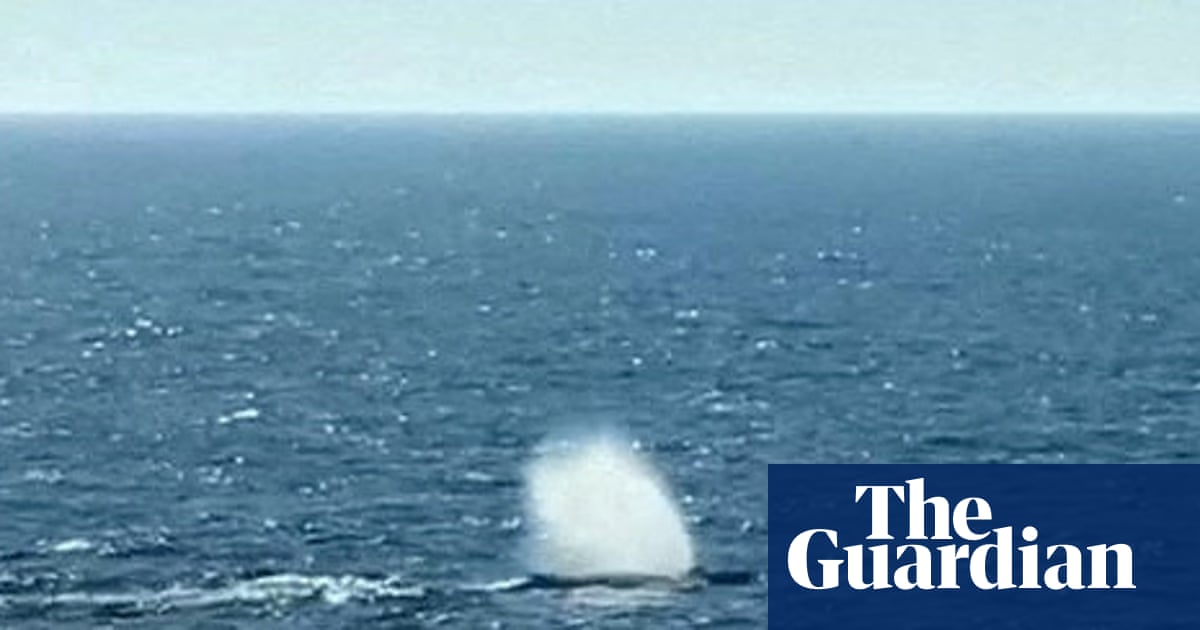
Rescuers moved a 10‑metre humpback calf from a German sandbank to the North Sea in a water‑filled barge and released it at 8:45 a.m. local time. Experts warn the animal’s health is poor and its odds of survival are low.
Context The whale became stranded on a sandbank in Wismar Bay near Lübeck nearly six weeks ago. After initial rescue attempts with inflatable cushions failed, divers helped the animal onto a flooded barge watched by hundreds of onlookers. The operation was privately funded by two multimillionaires who pledged to cover any cost.
Key Facts Karin Walter‑Mommert of the rescue initiative said the calf swam out of the barge, blew through its blowhole and headed “in the right direction.” The whale was equipped with a satellite tracker to monitor its movements. Oceanographic Museum director Burkard Baschek called the effort “pure animal cruelty,” while the International Whaling Commission labeled the release inadvisable because the animal appeared severely compromised.
What It Means Marine experts note the calf showed lethargy, blister‑like blemishes and possible net entanglement in its mouth, factors that reduce survival prospects. The tracker will provide data on travel depth, speed and location, allowing scientists to assess whether the whale can rejoin its pod or if it succumbs to its condition. Observers will watch for signs of feeding, normal breathing patterns and any re‑stranding over the coming weeks.
What to watch next Researchers will analyze the tracker’s transmissions over the next 30‑60 days to determine if the calf resumes normal migration routes or shows signs of distress.
Continue reading
More in this thread
IMO Revives Global Shipping Emissions Talks, Sets Dates for 2025 Negotiations
Dr. Leo Tanaka
May Heat Spike in Southeast Australia Set to End as Cold Front Brings Rain and Cooler Temperatures
Dr. Leo Tanaka
Rising CO₂ Lowers Protein in Wheat and Rice by Up to 17%, Threatening Global Nutrition
Dr. Leo Tanaka
Conversation
Reader notes
Loading comments...