Fifteen Arrested in London Synagogue Arson Spree Under Iran Inquiry
Fifteen arrests in London synagogue arsons since March prompt a police probe into alleged Iranian direction, with two teens held and investigations ongoing.
TL;DR
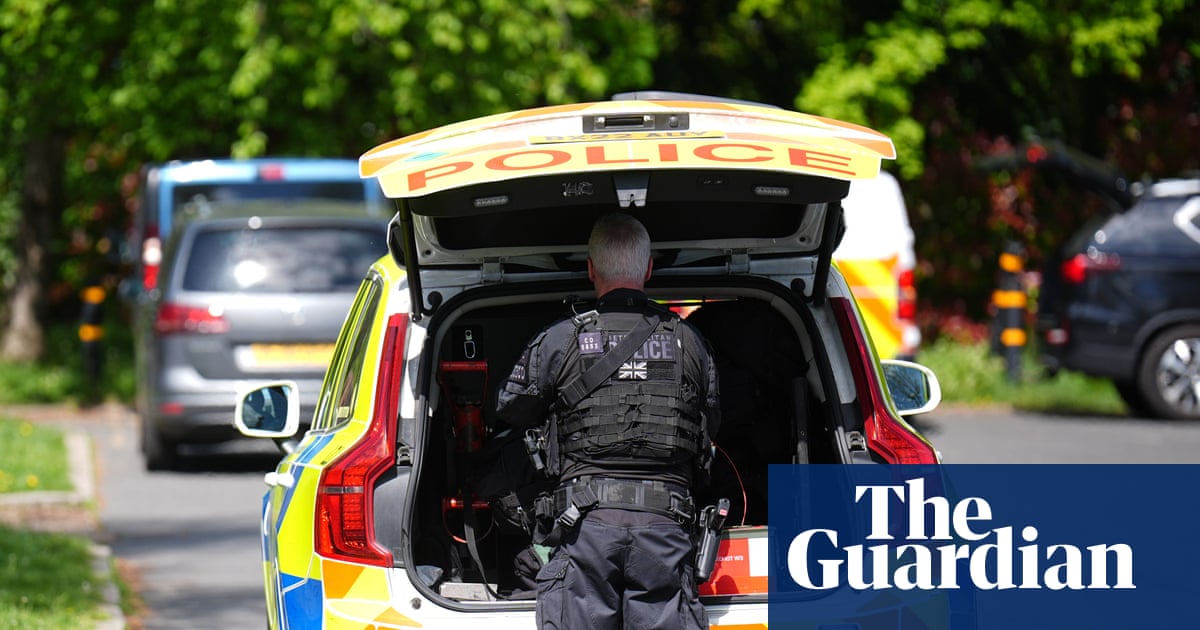
Fifteen people have been arrested in London over six synagogue arsons since March 23, with police probing claims that Iran directed the attacks. Two teenagers, 17 and 19, were held for the Harrow synagogue fire while a third suspect remains at large.
Context Since late March, a series of firebombings has targeted Jewish sites across London, including synagogues in Harrow, Finchley and Kenton, as well as premises linked to Iranian dissidents. Investigators say the attacks were planned for weeks, with suspects conducting reconnaissance online before striking. A group calling itself Harakat Ashab al‑Yamin al‑Islamia has claimed responsibility on Telegram, posting edited footage of the blazes and stating it acts on behalf of a foreign state. The violence has added to a rise in antisemitic incidents reported after October 2023.
Key Facts Metropolitan Police have logged 15 arrests connected to the six incidents. In the Harrow case, a 17‑year‑old and a 19‑year‑old were detained on suspicion of arson; a third suspect linked to that attack is still being sought. Deputy Commissioner Matt Jukes told LBC that investigators will "look incredibly closely" at whether allegations of Iranian involvement are true, adding that the force must separate online claims from provable evidence. Police also noted that a group of three men smashed a window and hurled a petrol bomb at the Shaftesbury Avenue synagogue in Kenton, causing minor damage and no injuries.
What It Means The arrests signal a shift from treating the blazes as isolated hate crimes to examining possible state‑direction. Jewish community leaders have expressed concern that the pattern fuels fear, while officials stress the need to distinguish propaganda from verified links. The case will test how police units that handle terrorism investigations handle allegations of foreign proxies using online recruitment and financial payments. Investigators will next examine digital communications, financial transfers and any direct ties to Iranian entities to determine whether the attacks were state‑directed.
Continue reading
More in this thread
Ukraine Hits Russian Oil Facilities as Energy Crisis Fuels Russia-Ukraine Tensions
Nadia Okafor
Gunman Kills Canadian Tourist, Wounds Six at Teotihuacan Before Suicide
Nadia Okafor
US Launches Tariff Refund Portal as Hassett Signals Possible Cuts to $166B Repayment
Nadia Okafor
Conversation
Reader notes
Loading comments...