Eight runners hospitalized after heatstroke at South Korea DMZ marathon amid record April heat
Eight runners collapsed and required hospitalization at the South Korea DMZ marathon, as Seoul recorded its highest mid-April temperature since 1907, raising questions about event safety.
TL;DR
Eight runners required hospitalization after collapsing from heat-related illnesses at the South Korea DMZ marathon. This incident occurred as Seoul registered its highest mid-April temperature since 1907.
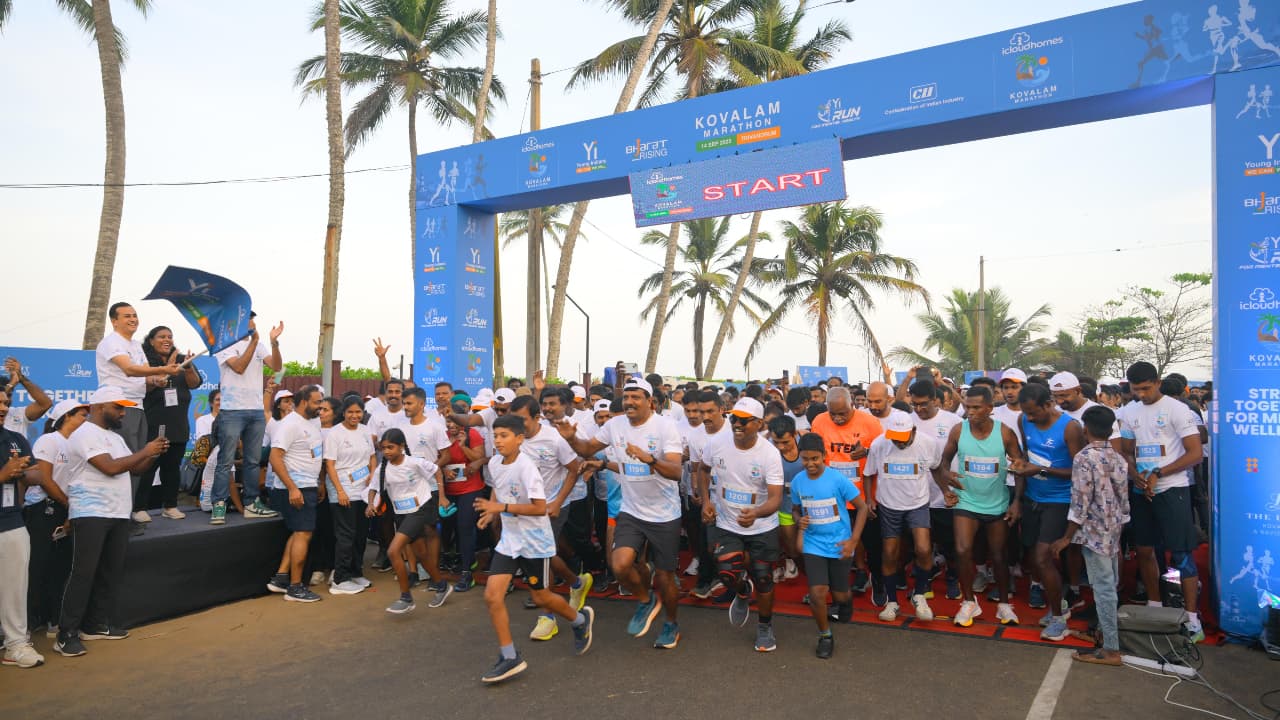
Context The DMZ Peace Marathon, an annual event held in Paju, South Korea, challenged hundreds of participants under unusually high temperatures. A warm front created summer-like conditions across the Korean Peninsula, a stark departure from its typically mild spring weather. The marathon's route takes runners close to the Demilitarized Zone, a highly sensitive area separating South and North Korea. This proximity adds a unique element to the race, but the focus shifted rapidly to participant safety as temperatures climbed.
Key Facts Twelve runners experienced various heat-related illnesses during the event, displaying symptoms such as convulsions, dizziness, and hyperventilation. Emergency services received initial reports around 10:30 AM that participants were collapsing along the race route. Eight of these runners required immediate hospitalization; one 43-year-old participant needed intensive care. This medical crisis coincided with Seoul's recorded temperature of 29.4°C (84.9°F). This temperature represented the highest mid-April reading for the capital since modern record-keeping commenced in 1907, highlighting the severity of the unseasonable heat.
What It Means This event highlights the increasing challenges posed by unpredictable weather patterns for endurance sports and mass participation events. Organizers of such races must now incorporate more rigorous environmental risk assessments into their planning, particularly given recent climate trends. The financial and reputational implications of participant injuries or event disruptions due to extreme weather are significant. Future event management will likely see an increased emphasis on real-time monitoring and proactive safety protocols to protect athletes.
Continue reading
More in this thread
F1 Cuts Energy Recharge Limit to 7MJ and Boosts Superclip Power to 350kW for 2026 Season
Marcus Cole
New Research Shows Football Design Can Slash Heading-Related Brain Pressure Waves by Up to 55 Times
Marcus Cole
Football Design Can Alter Header Impact Energy by Up to 55 Times
Marcus Cole
Conversation
Reader notes
Loading comments...