Football Design Can Alter Header Impact Energy by Up to 55 Times
Research shows football design can vary pressure‑wave energy in headers by up to 55 times, offering a path to safer balls amid links to neurodegenerative risk.
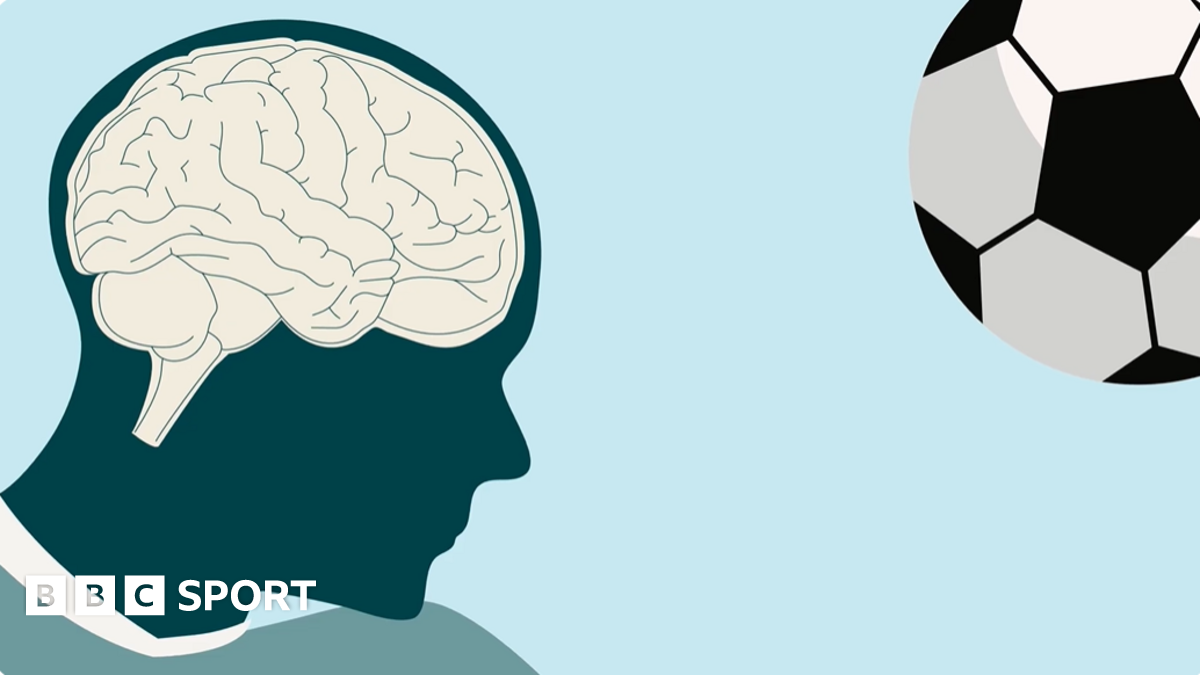
Graphic of a white brain inside the dark blue silhouette of a human head, with a black and white football in the top right corner
TL;DR
A laboratory study found that the pressure‑wave energy transferred to a player’s brain during a header can vary by up to 55 times depending on the football’s design. This variation exists alongside a 3.5‑fold increase in neurodegenerative risk shown in earlier epidemiological research.
Context: Heading has long been scrutinized for its possible role in brain injury, with former players such as Jeff Astle and Gordon McQueen cited in coroner’s reports. In response, the Football Association introduced a phased ban on heading for under‑11s and issued training‑ground guidelines to limit high‑force impacts. Researchers at Loughborough University used a surrogate head model and pressure sensors to measure the brief energy pulse that occurs at the moment of impact.
Key Facts: The study reports that pressure‑wave energy transfer can be as much as 55 times higher in some balls than in others, a range that spans historic leather balls and modern synthetic models. Andy Harland, professor of sports technology at Loughborough, noted that both high‑ and low‑energy‑transfer balls appear across all eras, with no clear trend over time. Separately, the 2019 Field study, funded by the FA and the PFA, found that professional footballers are 3.5 times more likely to develop neurodegenerative disorders than the general population.
What It Means: Because the energy pulse is distinct from the overall head acceleration, ball designers can target this specific mechanism to reduce risk without altering the feel of the game. The FA says it will share the findings with FIFA and UEFA and continue investing in objective research, while clubs may adopt ball‑selection protocols for training and matches. Future work will likely focus on standardized testing of pressure‑wave output and on‑field trials of low‑transfer designs.
What to watch next: Expect the FA to release updated ball‑specification recommendations and to see whether any leagues trial low‑impact balls in upcoming seasons.
Continue reading
More in this thread
F1 Cuts Energy Recharge Limit to 7MJ and Boosts Superclip Power to 350kW for 2026 Season
Marcus Cole
New Research Shows Football Design Can Slash Heading-Related Brain Pressure Waves by Up to 55 Times
Marcus Cole
Hooper urges Jorgensen to mirror Dupont’s Olympic sevens route for Brisbane 2032 gold
Marcus Cole
Conversation
Reader notes
Loading comments...