DNA Study Names Four More Sailors from Franklin's Lost Arctic Expedition
DNA analysis identifies four more Franklin expedition crew members, published in Journal of Archaeological Science and Polar Record.
**TL;DR DNA analysis has identified four additional crew members from Sir John Franklin's 1845 Arctic expedition.
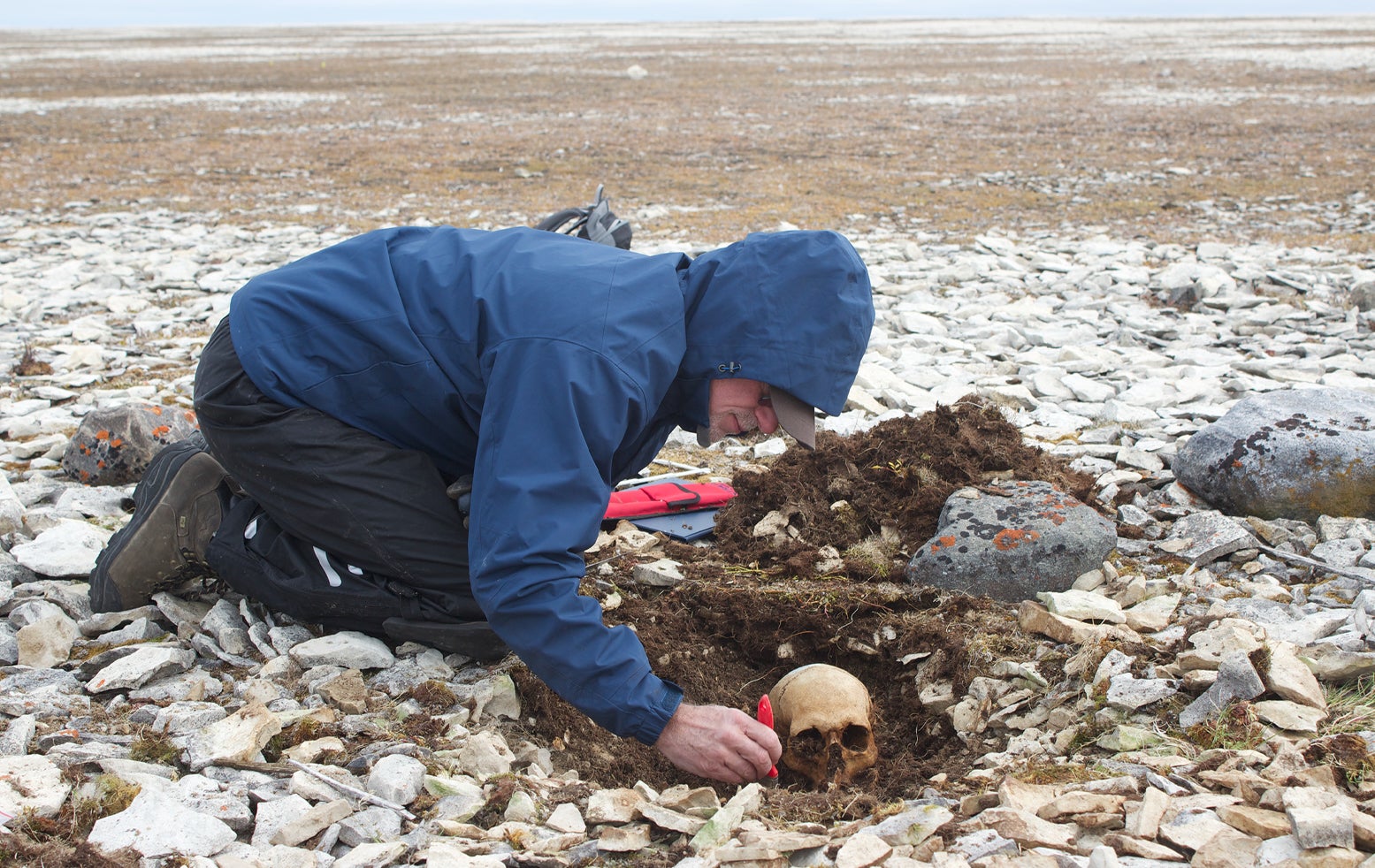
**Context More than 175 years after the ships vanished, scientists are still pulling names from the ice. The team recovered bone and tooth fragments from burial sites on King William Island, where many crew members perished after abandoning the ice-locked ships. Using a drill, they removed tiny samples of dentin and extracted mitochondrial DNA, which is passed down almost unchanged through maternal lines. They then compared those sequences to DNA donated by living relatives of known Franklin sailors, looking for matching markers. The HMS Erebus and HMS Terror became trapped in Victoria Strait in September 1846, forcing the crew to spend a second winter on King William Island before attempting a overland retreat.
**Key Facts The results were published simultaneously in the Journal of Archaeological Science and the Polar Record. Captain Sir John Franklin died on June 11, 1847, as recorded in a note signed by his second-in-command, James Fitzjames. Four individuals previously listed only as “unknown” now have names attached to their remains. With these additions, the number of identified crew members rises, though the majority of the 129-person party still awaits identification. Currently, about ten percent of the expedition’s members have been positively identified through genetic or archaeological evidence. The four newly named sailors include a steward, a seaman, and two marines, based on rank inscriptions found with the remains.
**What It Means Naming more sailors helps historians piece together the final months of the expedition, especially the trek south from King William Island. It also confirms that the DNA‑matching approach works on remains that have been buried in permafrost for nearly two centuries. Researchers say they will test additional samples from other burial grounds, hoping to increase the identified total in the next few years. Improved sequencing methods could eventually yield nuclear DNA data, offering even finer detail about ancestry and health. For now, the focus remains on expanding the reference database with more descendant samples to boost match rates.
Continue reading
More in this thread
Conversation
Reader notes
Loading comments...