DNA Reveals Four More Names from Franklin’s Lost Arctic Crew
Scientists used DNA analysis to name four additional members of the 1845 Franklin Arctic expedition, shedding new light on the doomed voyage.
TL;DR
DNA testing has added four names to the roster of the 129 men who perished on Sir John Franklin’s 1845 Arctic voyage.
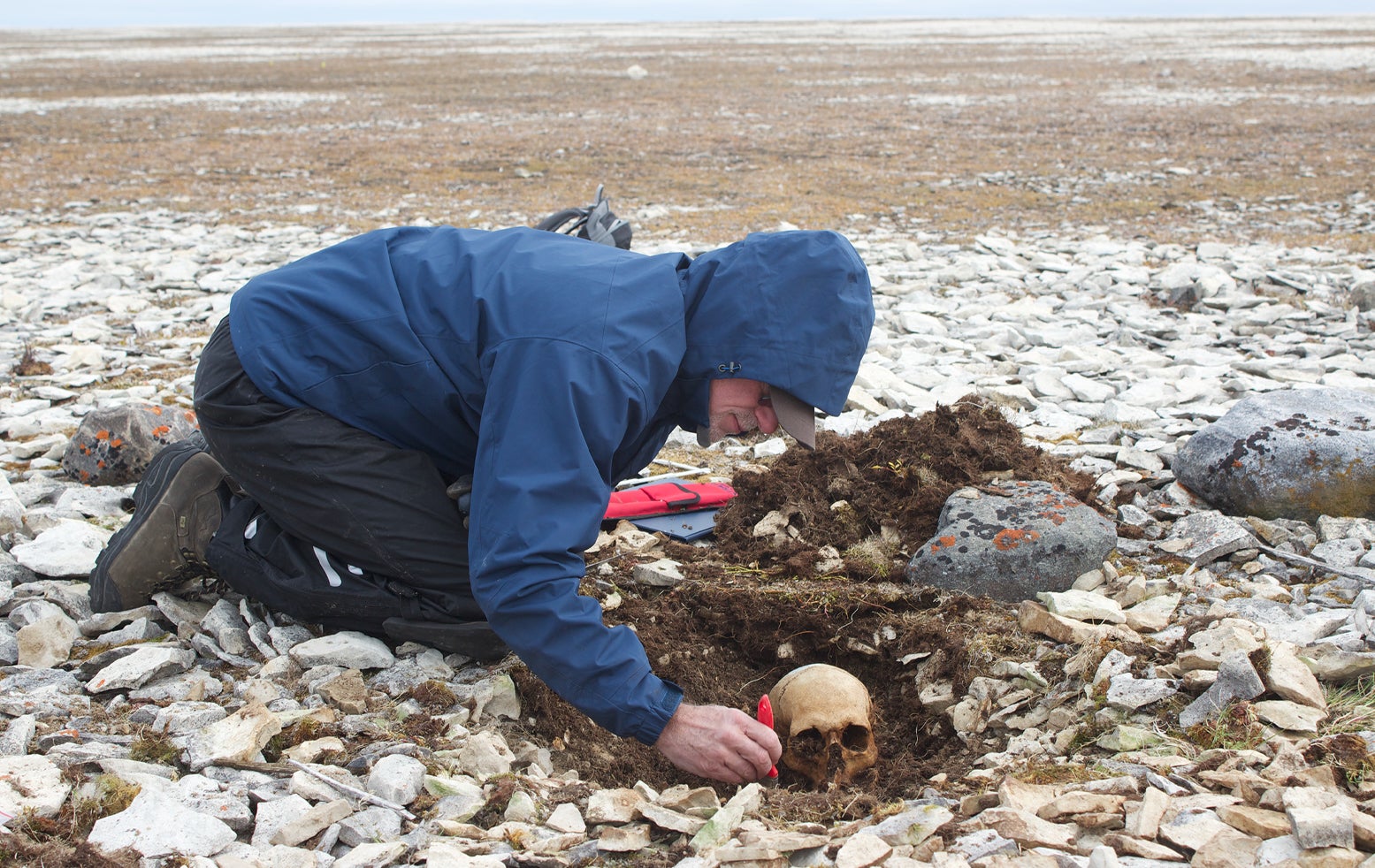
The Franklin expedition set sail in May 1845 to chart the Northwest Passage. Two ships, HMS Erebus and HMS Terror, became trapped in ice in Victoria Strait and all 129 crew members eventually died. Over the past two centuries, archaeologists have recovered skeletal remains from sites on King William Island, but only a fraction of the crew could be matched to historical records.
In two recent papers—one in the *Journal of Archaeological Science* and the other in *Polar Record*—researchers detailed how they extracted DNA from bone fragments recovered at the NgLj‑2 and NgLj‑3 sites. The team cleaned the samples, broke them down to release genetic material, and sequenced the DNA using high‑throughput machines that read millions of base pairs. They then compared the sequences against a database of living descendants of known crew members and against genealogical records from the 19th‑century census.
The analysis produced confident matches for four individuals previously unknown in the official crew list. Each match showed a genetic similarity of over 99.5 % with a living relative, a threshold that experts consider conclusive for identification. The newly named sailors fill gaps in the documented roster and help clarify the composition of the expedition’s final winter camp.
These findings raise the count of identified crew members from the original handful to a growing total, though many remains still lack definitive matches. The work demonstrates how modern genetics can resolve historical mysteries that traditional archaeology alone cannot. It also underscores the importance of preserving DNA in cold environments, where low temperatures slow degradation and keep genetic material viable for centuries.
What to watch next: Ongoing DNA sequencing of additional skeletal fragments may reveal more names, while interdisciplinary studies aim to map the exact movements of the crew during their final months on the ice.
Continue reading
More in this thread
DNA Study Names Four More Sailors from Franklin's Lost Arctic Expedition
Dr. Leo Tanaka
Iowa and South Dakota Top Nation in Wind‑Solar Share as U.S. Renewables Hit Record 17%
Dr. Leo Tanaka
Battery Prices Drop 93%, Making Solar‑Storage Cheaper Than New Coal and Gas
Dr. Leo Tanaka
Conversation
Reader notes
Loading comments...