Agriculture Minister Defends Cattle Cull in Fivemiletown Amid Public Concern
Andrew Muir says there was no reasonable alternative to euthanising 51 cattle after a court order, despite criticism that the shooting was visible to locals.
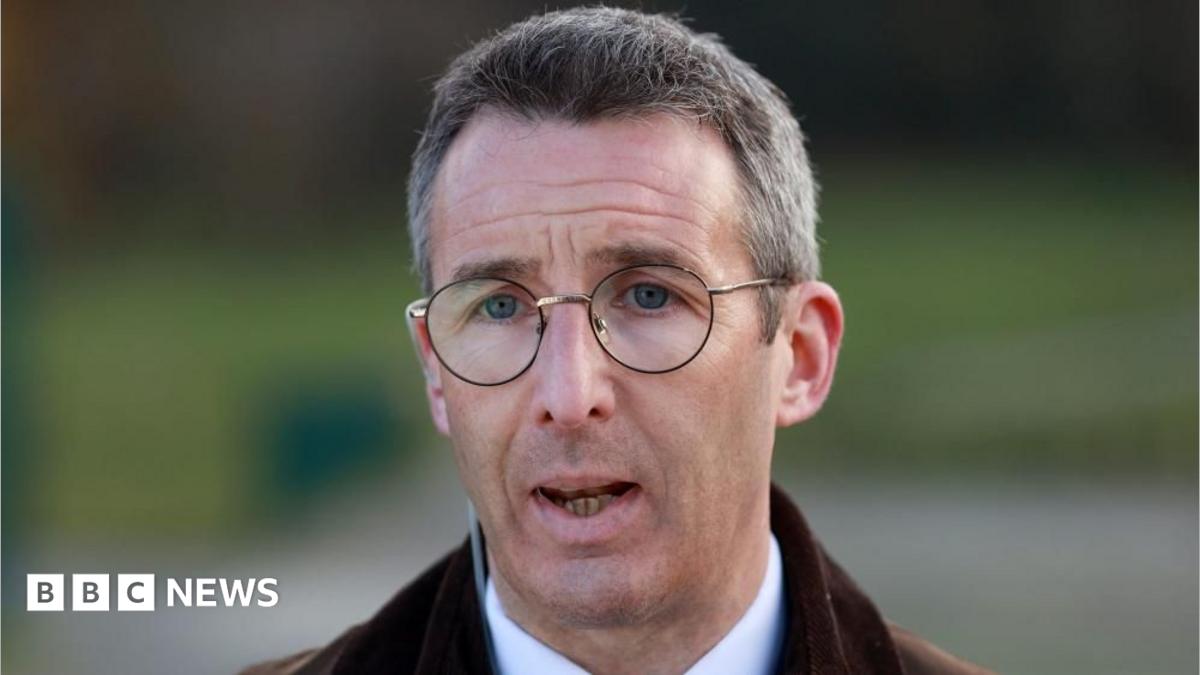
A man with glasses and short dark, greying hair
TL;DR
Agriculture minister Andrew Muir said there was no reasonable alternative to euthanising 51 cattle in County Tyrone after a court order, despite criticism that the shooting was visible to the public.
Context In late June a court order required the destruction of a herd of cattle whose owner had previously been convicted of animal welfare offences. The owner had been given three weeks to sell or dispose of the animals, but 51 remained when Department of Agriculture officials arrived at the farm near Fivemiletown. The order stemmed from an earlier conviction that had stripped the owner of rights to keep farmed livestock. A department spokesperson noted that the court directed the defendant be deprived of ownership of all farmed animals and ordered their destruction.
Key Facts Minister Andrew Muir stated that, according to veterinary staff, removing the cattle for remote euthanasia was not possible because the farm lacked suitable, safe facilities to gather and contain the animals, some of which were horned, and because transporting them would cause additional stress. He added that the temperament of the animals and the suitability for transport made remote euthanasia impractical. Consequently, officials used the most suitable parts of the field to minimise exposure to public view and employed silencers to reduce noise. Muir said there was no loud gunfire, only the muted sound of suppressed weapons, and that efforts were made to undertake the cull in parts of the fields which would minimise exposure, although complete screening from all possible vantage points could not be guaranteed.
Fifty cattle were shot on 29 June and a final animal the following morning; carcasses were collected on the morning of 30 June at the department’s expense. The minister said that a local farmer approached Daera staff at the scene to indicate a potential interest in purchasing some of the animals and that operations were halted. The farmer, another individual and the herd keeper were facilitated to remove the animals from a field into a lorry. They chased the animals for a significant period of time and released them onto a public road, creating further health and safety risks. While those actions delayed the completion of operations, ultimately Daera staff had to intervene as the individuals were unable to detain the animals, which by that stage were stressed. At this time there was a small number of protesters at the site, but operations did not recommence until they had left the scene.
After the protesters departed, the remaining cattle were moved from the road and were subsequently euthanised. Muir described the episode as a "complex and distressing case" for his staff and condemned threats and online abuse that had subsequently been made against Daera personnel. Earlier this week the minister ordered an external review into the incident and said he would appear before a Stormont committee on Monday to answer questions.
The Ulster Farmers’ Union called for an independent review to be completed without delay. UFU president John McLenaghan said: "As a union we have been shocked, angered and deeply distressed by this incident. The strength of feeling across our membership is unlike anything we have witnessed for many years." The union plans to attend the agriculture committee at Stormont on Monday to "challenge" Daera about the way the operation was carried out. Politicians from the Clogher Valley area had previously spoken out about accounts from the public and neighbours who said they were distressed after witnessing some of the cattle being culled.
What It Means The episode raises questions about how court‑ordered animal destructions are carried out when farms lack infrastructure for humane, off‑site euthanasia. It also tests public confidence in the Department of Agriculture’s ability to balance legal compliance with transparency and animal welfare considerations. While the minister insists that all reasonable steps were taken to hide the operation from view, the visible disruption caused by the farmer’s intervention and the presence of protesters suggest gaps in contingency planning and communication.
What to watch next Andrew Muir is due to appear before the Stormont agriculture committee on Monday to answer questions about the cull. An external review ordered by the minister will examine whether procedures followed were appropriate and whether alternative methods could have been used. Outcomes of that review may influence future guidance on handling court‑ordered livestock destructions, especially regarding on‑site facilities and public‑facing communication. Observers will also monitor whether the Ulster Farmers’ Union’s call for an independent review gains traction and whether any procedural changes are announced ahead of similar cases.
Continue reading
More in this thread
El-Sayed Clinches Michigan Democratic Senate Primary, Faces Rogers in November
Nadia Okafor
Michigan Senate Democratic Primary Too Close to Call as El‑Sayed Leads Stevens
Nadia Okafor
England’s Devolution Push Requires a Firmer Constitutional Foundation
Nadia Okafor
Conversation
Reader notes
Loading comments...