40,000 Evacuated Over GKN Tank Threat in Orange County
A valve failure at a GKN Aerospace plant in Garden Grove has prompted the evacuation of 40,000 people, with a potential spill of 6,000-7,000 gallons of hazardous methyl methacrylate and 15% refusing to leave.
TL;DR
Authorities evacuated 40,000 people after a valve failure threatened a spill of up to 7,000 gallons of methyl methacrylate. About 15% of those ordered to leave have refused to do so.
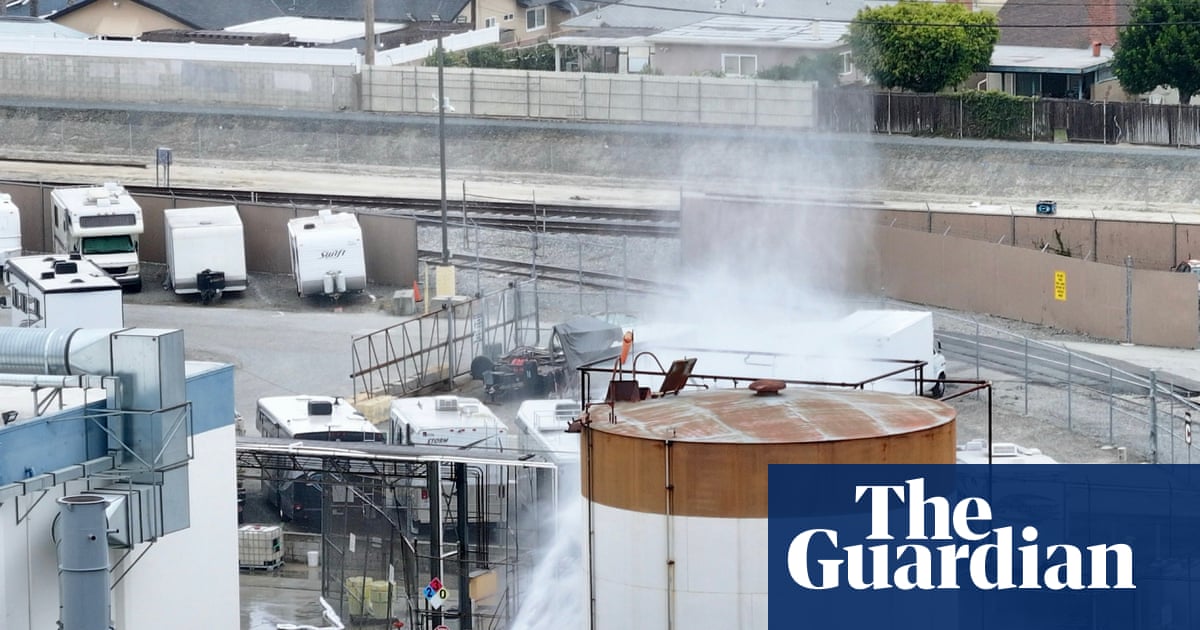
On Thursday, a storage tank at the GKN Aerospace facility in Garden Grove began off‑gassing methyl methacrylate, a flammable chemical used to make resins and plastics. The off‑gassing raised pressure inside the tank, prompting an immediate hazmat response. Local officials initially lifted the evacuation order later that day, but the situation worsened.
Damage to a valve on the tank prevented full containment, creating additional operational challenges. Orange County fire officials warned of two possible outcomes: a tank rupture releasing 6,000-7,000 gallons of liquid, or a thermal runaway explosion that could ignite nearby fuel tanks. They emphasized that either scenario would endanger surrounding neighborhoods.
By Friday the evacuation order covered residents of six cities and expanded to roughly 40,000 individuals. Two shelters were opened to house evacuees, providing temporary beds and basic supplies. Authorities urged everyone to comply with the order to reduce risk.
Key facts from the incident include: - The evacuation order affects 40,000 people. - If the tank fails, it could release between 6,000 and 7,000 gallons of hazardous methyl methacrylate. - Approximately 15% of those under evacuation orders are refusing to leave the area. - Local authorities have established at least two shelters for displaced residents. - Emergency crews have laid sand barriers to contain any potential spill.
The situation highlights the risks posed by aging industrial infrastructure near dense residential zones. Methyl methacrylate is highly flammable and can polymerize explosively under heat. Its use in manufacturing plastics makes it common but hazardous if containment fails.
While first responders prepare for both a spill and an explosion, the refusal of a notable minority to evacuate complicates safety efforts. Approximately 15% of those under orders have chosen to stay behind, according to local police. This non‑compliance strains resources and increases potential exposure.
Continued monitoring of the tank’s integrity and air quality will determine whether the order can be lifted or must remain in place. Sensors are tracking pressure, temperature, and vapor concentrations around the site. Decision makers will weigh these readings against weather forecasts and proximity to populated areas.
Officials will assess whether the valve can be repaired or if the tank needs to be drained to relieve pressure. They are also evaluating the need for additional barriers and foam suppression systems. Updates to evacuation orders will be issued based on real‑time sensor data, weather conditions, and expert recommendations.
Continue reading
More in this thread
Nigeria’s National Single Window Records Over 39,000 Trade Applications in Eight Weeks
Elena Voss
IPA Council Welcomes Twelve New Members, Elects Bozicevich as Honorary Secretary
Elena Voss
IPA Council Adds 21 Members, Names Katrina Bozicevich Honorary Secretary
Elena Voss
Conversation
Reader notes
Loading comments...