Xi to Press Trump on Taiwan Arms Sales and Trade Certainty at Summit
China's Xi will push Trump to curb Taiwan arms sales and secure predictable trade rules through 2029 at their upcoming summit.
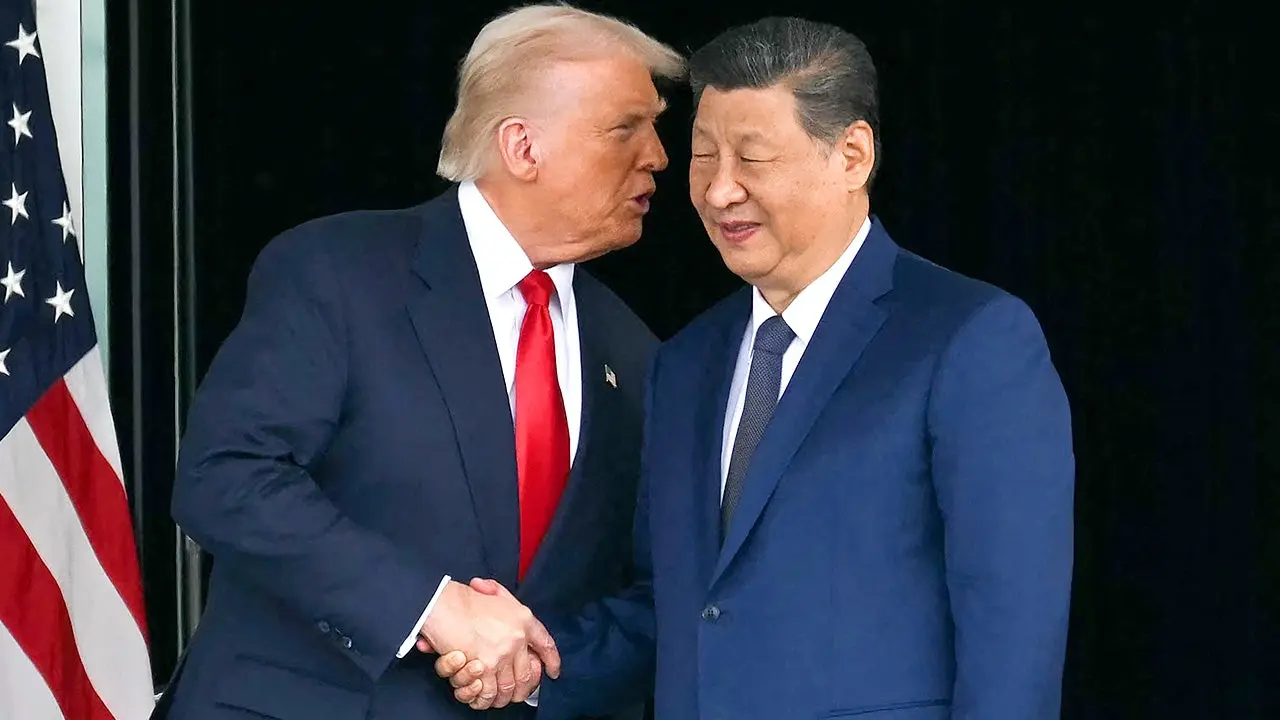
TL;DR: President Xi will demand that President Trump curb arms sales to Taiwan and grant predictable trade conditions through January 2029 at their upcoming summit.
Context President Donald Trump arrives in China for a three‑day summit, the first visit by a U.S. leader since 2017. The talks come amid a fragile pause in a trade war that saw tariffs exceed 100 % and a series of sanctions linked to Iran. Beijing frames the meeting as a chance to restore stability to the U.S.–China relationship.
Key Facts - Congress approved a $14 billion weapons package for Taiwan earlier this year, but the deal still needs Trump’s signature. - Xi has told aides he will try to persuade Trump to scale back or halt those sales, calling Taiwan the “biggest risk” in bilateral ties. - Chinese officials have labeled Taiwan one of four “red lines” that must not be challenged, signaling that any U.S. arms transfer will be a focal point of the summit. - Beijing also seeks a clear U.S. trade policy through January 2029, arguing that predictability is essential for its economic planning. - The two leaders previously agreed in South Korea to a one‑year pause in the trade war, leaving some tariffs and export controls in place.
What It Means If Trump agrees to limit the Taiwan deal, Washington would break a decades‑long practice of resisting Chinese pressure on arms sales, a shift last seen during the Reagan administration. Such a concession could weaken Taiwan’s defense budget and embolden Beijing’s claim over the island. Conversely, a refusal would preserve the status quo but risk prolonging trade friction, as China continues to demand certainty for its businesses.
The summit will also test whether the tentative trade reprieve can be extended. Beijing’s call for policy certainty through 2029 suggests it expects a longer‑term framework, not just a temporary truce. U.S. officials have not confirmed whether new tariff reductions will be on the agenda.
Looking ahead, observers will watch for any joint statement on Taiwan and trade, and for signals about the future of the $14 billion arms package. The outcome could reshape both security dynamics in the Taiwan Strait and the economic calculus for the world’s two largest economies.
Continue reading
More in this thread
Bahrain-led UN Hormuz Resolution Garners 112 Co‑sponsors as Trump Ignores US Financial Concerns
Nadia Okafor
Finance Minister Wagle Tables FY 2083/84 Policy in National Assembly Amid Eight Amendments
Nadia Okafor
Bahrain‑Led UN Hormuz Resolution Gains 112 Co‑Sponsors
Nadia Okafor
Conversation
Reader notes
Loading comments...