WHO Raises Ebola Risk to 'Very High' as Suspected Cases Surge to 750 in DRC
WHO upgrades Ebola risk to very high in the DRC as suspected cases rise to about 750 and deaths to 177, highlighting community distrust and response challenges.
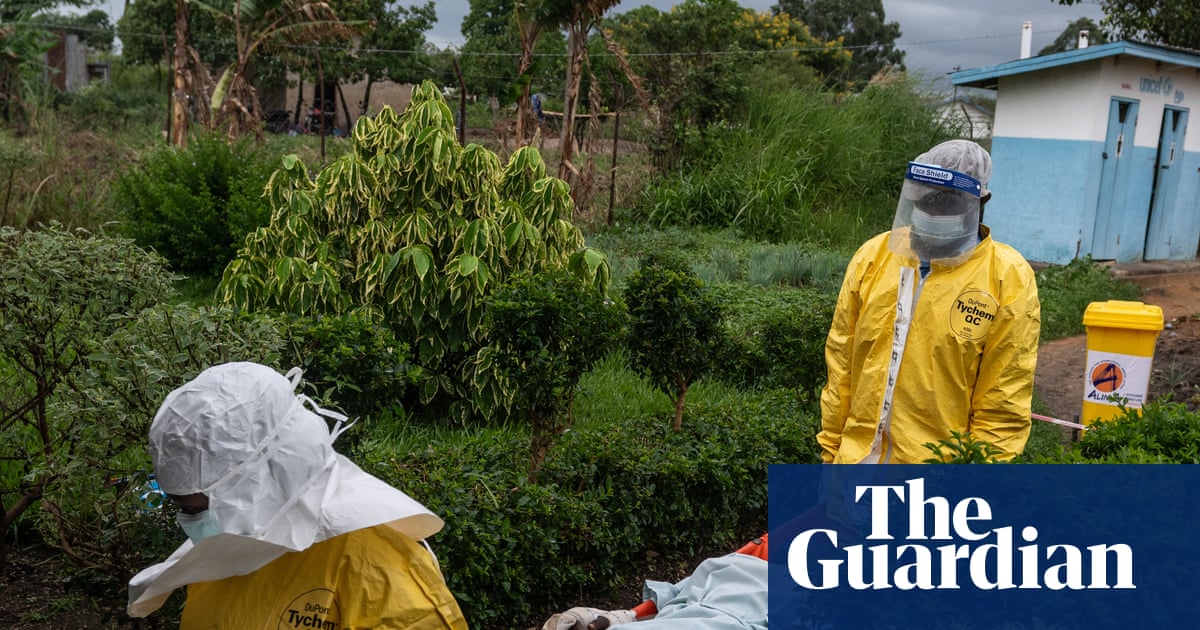
TL;DR: The World Health Organization raised its Ebola risk assessment for the Democratic Republic of the Congo to “very high” after suspected cases jumped to roughly 750 and deaths to 177 in one week. Community distrust and attacks on treatment sites are slowing containment efforts.
Context
The WHO announced the upward revision on Friday, moving the national risk level from high to very high while keeping regional risk high and global risk low. The outbreak is concentrated in Ituri province, where the Bundibugyo strain of Ebola is circulating. No licensed vaccine or specific treatment exists for this strain, although an antiviral candidate, obeldesivir, is being prepared for trial.
Key Facts
Suspected cases rose to about 750 and deaths to 177, up from 246 cases and 65 deaths reported a week earlier. WHO Director‑General Tedros Adhanom Ghebreyesus said significant distrust of outside authorities among locals is hindering the response. Dr Anne Ancia, WHO’s representative in the DRC, warned that the outbreak response is lagging and not yet under control. In Rwampara, Ituri province, a crowd set fire to tents and medical supplies outside a hospital after being barred from retrieving a body, illustrating the tension. Humanitarian groups report shortages of equipment and staff, which impede case finding and contact tracing.
What It Means
The increase in detected cases may reflect improved surveillance rather than a sudden explosion of transmission, but the rising death toll signals ongoing spread. Mistrust reduces willingness to seek care and to accept safe burial practices, both critical for breaking chains of infection. Without a proven vaccine or therapy, control relies on rapid isolation, contact tracing, and community engagement—areas currently strained by insecurity and resource gaps. Practical takeaways for readers: stay informed through official health channels, support reputable aid organizations working on the ground, and recognize that misinformation can worsen outbreaks.
What to watch next
Monitor whether the obeldesivir trial begins in the affected zones, how quickly the burned treatment centre can be rebuilt, and whether community‑engagement strategies reduce distrust and new infections.
Continue reading
More in this thread
Chicago Expands CARE Mental Health Crisis Teams Citywide
Dr. Priya Sharma
Egypt Leads Global Push to Tackle Steatotic Liver Disease Affecting One‑Third of Adults
Dr. Priya Sharma
Egypt Leads Global Push to Prioritize Steatotic Liver Disease at WHO Assembly
Dr. Priya Sharma
Conversation
Reader notes
Loading comments...