Chicago Expands CARE Mental Health Crisis Teams Citywide
Chicago's CARE program expands citywide to serve ages six to over 65, aiming to reduce police reliance and improve crisis response.
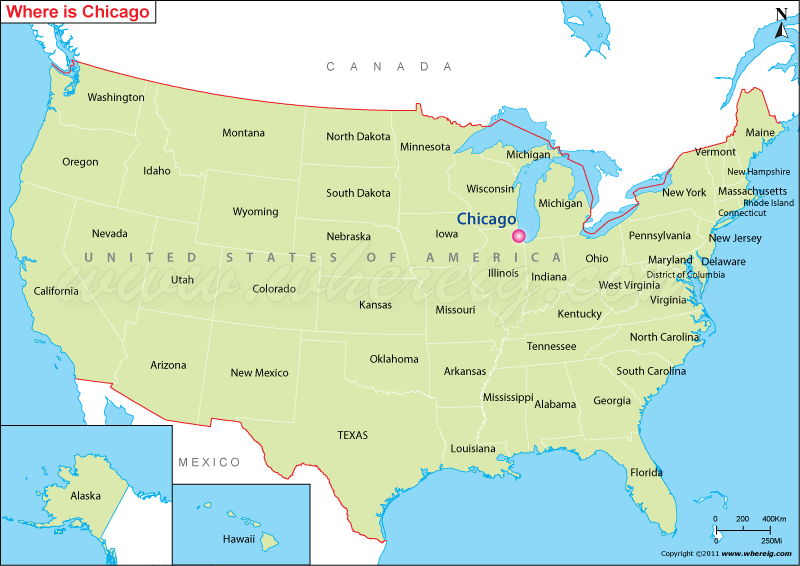
Where is Chicago located on the map? Chicago is located in northeastern Illinois on the southwestern shores of freshwater Lake Michigan.
TL;DR
On May 13, 2026, Chicago announced that its CARE mental health crisis teams will operate citywide, serving residents ages six to over 65.
Context Chicago’s decision to expand CARE comes after years of pilot programs that showed promise in reducing reliance on police during behavioral health incidents. Before the expansion, CARE operated in six police districts, covering roughly a third of the city’s population. The program pairs behavioral health clinicians with emergency medical technicians to provide on‑site assessment, de‑escalation, and referrals to ongoing care.
Key Facts On May 13, 2026, Mayor Brandon Johnson and the Chicago Department of Public Health announced the citywide rollout of CARE, extending the service to every neighborhood. Mayor Johnson said every Chicagoan deserves dignity and care during crises, framing the expansion as a public health approach that connects residents to support and reduces harm.
The expanded teams will assist residents from age six through those over 65, covering a broad age spectrum. CARE responders handle non‑violent, non‑medical situations and can transport individuals to crisis stabilization centers, living rooms, or behavioral health emergency rooms when needed.
The city allocated $12 million for the first year of the expansion to hire additional clinicians and equip vehicles. A 2022 randomized controlled trial of mobile crisis teams in Denver involving 1,200 calls found a 28% reduction in emergency department visits compared with standard police response (p<0.01).
Observational studies in other cities have linked similar teams with lower arrest rates, but causality remains under investigation.
What It Means For residents, the change means a faster, clinically trained response when calling 911 and requesting CARE. Expanding citywide will increase access to timely intervention, especially in neighborhoods previously without the service.
Officials will need to monitor workforce capacity and ensure ongoing training to maintain quality. Community advisory boards will meet quarterly to review performance data and suggest improvements.
The city plans to track response times, client satisfaction, and linkage to follow‑up care over the next 12 months to assess the expansion’s impact. Officials expect to release preliminary results publicly by mid‑2027.
Continue reading
More in this thread
Egypt Leads Global Push to Tackle Steatotic Liver Disease Affecting One‑Third of Adults
Dr. Priya Sharma
Egypt Leads Global Push to Prioritize Steatotic Liver Disease at WHO Assembly
Dr. Priya Sharma
WHO Raises Ebola Risk to 'Very High' as Suspected Cases Surge to 750 in DRC
Dr. Priya Sharma
Conversation
Reader notes
Loading comments...