WHO Elevates DRC Ebola Risk to Very High Amid Rising Suspected Cases
The WHO’s upgrade to “very high” risk reflects a jump to nearly 750 suspected Ebola cases in the DRC, with officials stressing community trust and noting a potential antiviral trial.
TL;DR
WHO has raised the Ebola risk in the Democratic Republic of the Congo to “very high” after suspected cases neared 750, with trust‑building cited as essential to curb the outbreak.
Context The World Health Organization upgraded its threat assessment for the DRC on Friday, moving the outbreak from high to very high risk at the national level. The jump follows a sharp rise in reported illnesses: nearly 750 suspected Ebola cases and 177 suspected deaths, up from 246 cases and 65 deaths just one week earlier. Most infections are concentrated in Ituri province, where the Bundibugyo strain of the virus is circulating; this strain currently lacks approved vaccines or specific treatments.
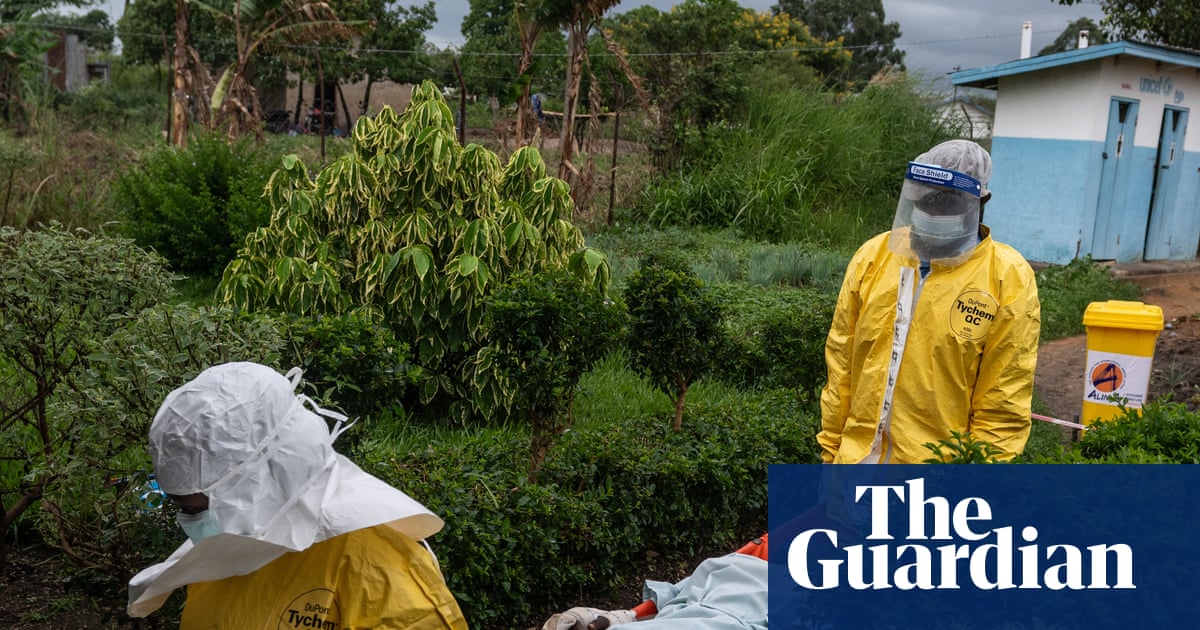
Key Facts WHO Director‑General Tedros Adhanom Ghebreyesus stressed that building trust in affected communities is a top priority, noting that hostility toward response teams has already disrupted services, such as the arson of a treatment‑center tent in Rwampara. Surveillance improvements may be contributing to the higher case count, as a slight decline in the proportion of samples testing positive suggests more people with symptoms are being identified. Scientists have identified the antiviral obeldesivir as a candidate that could prevent infection among contacts of Bundibugyo cases; they are preparing to test it in a randomized controlled trial, though the trial design and sample size have not yet been disclosed. Humanitarian groups report shortages of equipment and staff, saying the response is not yet matched to the scale of the emergency.
What It Means For readers, the main takeaway is that community cooperation is as vital as medical interventions; without local acceptance, even well‑supplied clinics struggle to isolate cases and trace contacts. The rising numbers should not be read solely as worsening spread; they may reflect better detection, which can improve early treatment outcomes. Watch for two developments in the coming weeks: the launch of the obeldesivir trial, which will determine whether a drug can protect close contacts, and any changes in community‑engagement strategies that could reduce attacks on health facilities.
Continue reading
More in this thread
Egypt Leads Global Push to Prioritize Steatotic Liver Disease at WHO Assembly
Dr. Priya Sharma
WHO Raises Ebola Risk to 'Very High' as Suspected Cases Surge to 750 in DRC
Dr. Priya Sharma
Ebola Isolation Tents Burned in Ituri Riot Amid Growing Distrust
Dr. Priya Sharma
Conversation
Reader notes
Loading comments...