West Bengal’s Electoral Roll Purge Deletes 9.1 Million Voters, Sparks Accusations of Muslim Targeting
West Bengal's electoral roll revision removed 9.1 million voters, exceeding 10% of the electorate. Critics allege this pre-election purge disproportionately affected Muslim citizens.
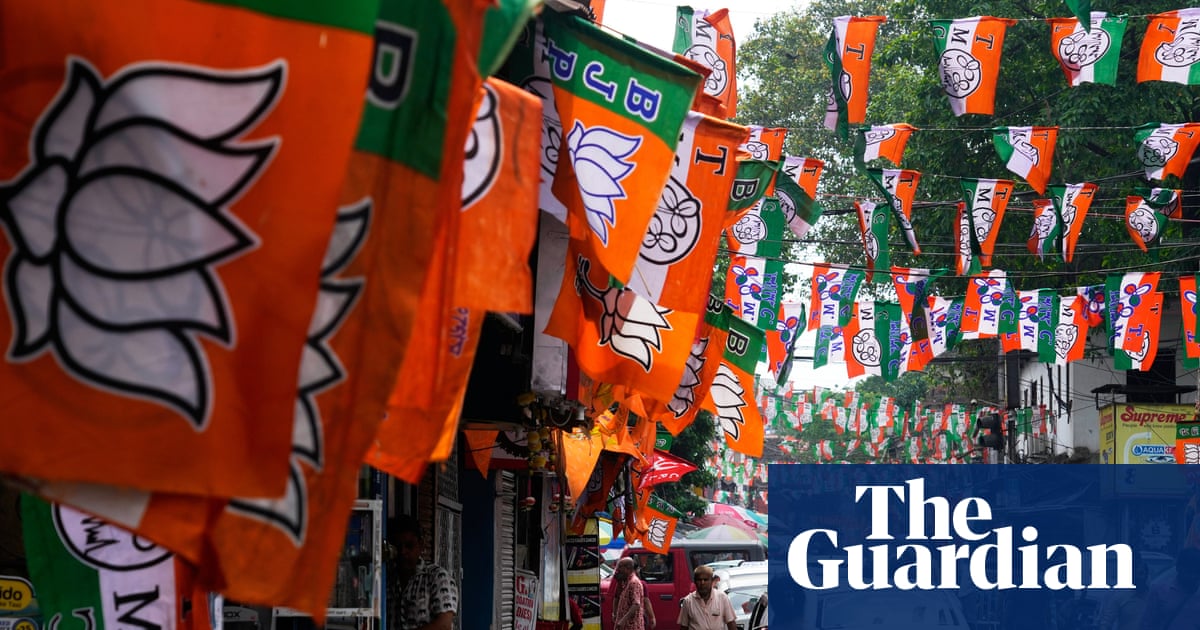
West Bengal removed 9.1 million voter names from its electoral roll, exceeding 10% of the electorate. This extensive purge draws accusations of deliberate targeting, with critics alleging disproportionate impact on Muslim voters.
The Indian state of West Bengal recently concluded a Special Intensive Revision (SIR) of its electoral roll. This process occurred rapidly, just before a pivotal state election where the central Bharatiya Janata Party (BJP) aims to gain control from the incumbent Trinamool Congress (TMC). Government officials stated the revision aimed to "purify" the electoral roll and remove "infiltrators," a term often used pejoratively for undocumented immigrants.
This revision resulted in the deletion of 9.1 million voter names across West Bengal. This figure represents over 10% of the state's entire eligible voting population. Researcher Sabir Ahamed, who closely monitors these cases, stated that religion was the main factor driving these deletions. His analysis indicates a disproportionate impact on Muslim citizens. Former election commissioner SY Quraishi sharply criticized the Special Intensive Revision. He labeled the exercise unnecessary and designed to harass. Quraishi further described the process as administratively disastrous and ignoble, questioning its underlying intent and its accelerated timeline.
The large-scale deletion of voters, especially amidst allegations of religious targeting, sparks fundamental concerns about electoral integrity and the right to participate in democracy. This process could significantly alter the electoral landscape by disenfranchising specific demographic groups, particularly minorities. Critics contend the revision represents an effort to manipulate the voting system. The constitutional validity of the SIR process has also faced legal challenges, and questions about the independence of election authorities persist.
The ongoing legal scrutiny and the outcomes of the approaching state election will further clarify the extensive implications of these controversial revisions.
Continue reading
More in this thread
Passaic’s Arthur G. Soto leads North Jersey spring school board voting as 15 districts hold April elections
Nadia Okafor
China‑Iran Trade Grows to $13.37 Billion Amid 2026 Middle East War
Nadia Okafor
Fact Check: Ukraine’s Russian Oil Restart and the EU’s €90 Billion Loan
Nadia Okafor
Conversation
Reader notes
Loading comments...