Passaic’s Arthur G. Soto leads North Jersey spring school board voting as 15 districts hold April elections
Passaic's Arthur G. Soto secured the highest vote count in North Jersey's April 21 spring school board elections, impacting local school policies and budgets.
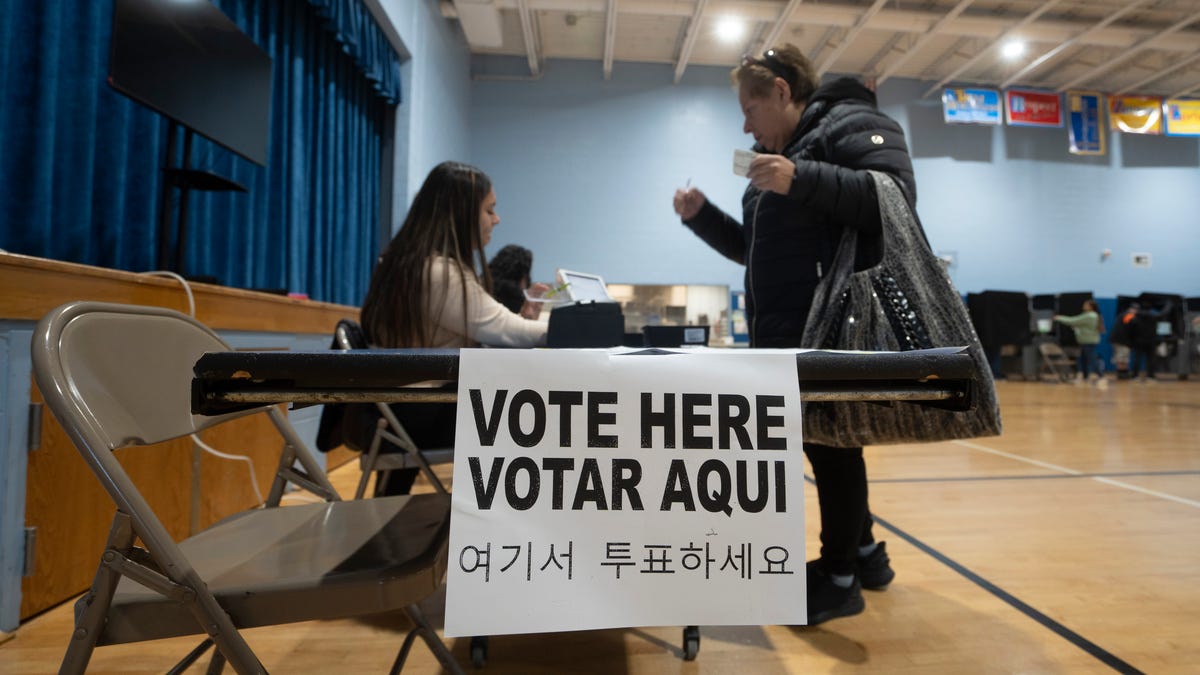
Fifteen New Jersey school districts conducted their spring elections on April 21, with Arthur G. Soto in Passaic securing the highest reported vote count.
New Jersey's nearly 600 school districts mostly hold board elections in November. Fifteen districts, however, continue to conduct their elections in April. This distinction stems from a 2012 state law that allowed districts to shift their election schedules.
Districts choosing to retain spring elections operate under different budgetary rules. Under the 2012 law, school districts can establish multi-million-dollar reserve caps. However, they are simultaneously barred from raising budgets to the full 2% limit, which effectively permits increases well above 2% before a public vote is required. This contrasts with districts that moved their elections to November, which no longer require public budget approval unless increases exceed a state-mandated 2% cap.
Passaic incumbent Arthur G. Soto received 1,182 votes in the school board election. This figure marked the highest reported vote total among the North Jersey districts that held April elections. In Passaic, Janelle Hall and Leslie Zuniga also secured positions.
Beyond Passaic, Bergen County districts also saw active participation. In Garfield, Allan B. Focarino secured 506 votes, while Nancy Cardone led in Lodi with 442 votes. Totowa's Joanna Panepinto garnered 406 votes. Cliffside Park’s Teddy Tarabokija received 437 votes, and Tonin Berisha led in Fairview with 154 votes. These elections filled critical seats that govern local school policies and budgets.
The April elections highlight community engagement in districts that maintain the spring voting cycle. They also underscore the ongoing implications of the 2012 law, which modified public oversight of school budgets. The results demonstrate voter preferences in these specific districts, determining who will guide local educational spending and policy. Future school board elections will reveal continued trends in community engagement and financial oversight under the current legislative framework.
Continue reading
More in this thread
Virginia Voters Back Redistricting Amendment, Setting Stage for Court Fight Over Up to Four House Seats
Nadia Okafor
Shettima Urges PR Pros to Bridge Trust Gap on Government Reforms
Nadia Okafor
China‑Iran Trade Grows to $13.37 Billion Amid 2026 Middle East War
Nadia Okafor
Conversation
Reader notes
Loading comments...