West Bank Voters Skeptical as Local Elections See Record Independent Candidates and Stalled PA Pay
West Bank local elections reveal widespread voter skepticism, a record 88% independent candidates, and the impact of stalled PA civil servant pay on governance.
TL;DR
West Bank local elections approach with widespread voter skepticism, driven by a surge in independent candidates and persistent financial struggles for Palestinian Authority civil servants.
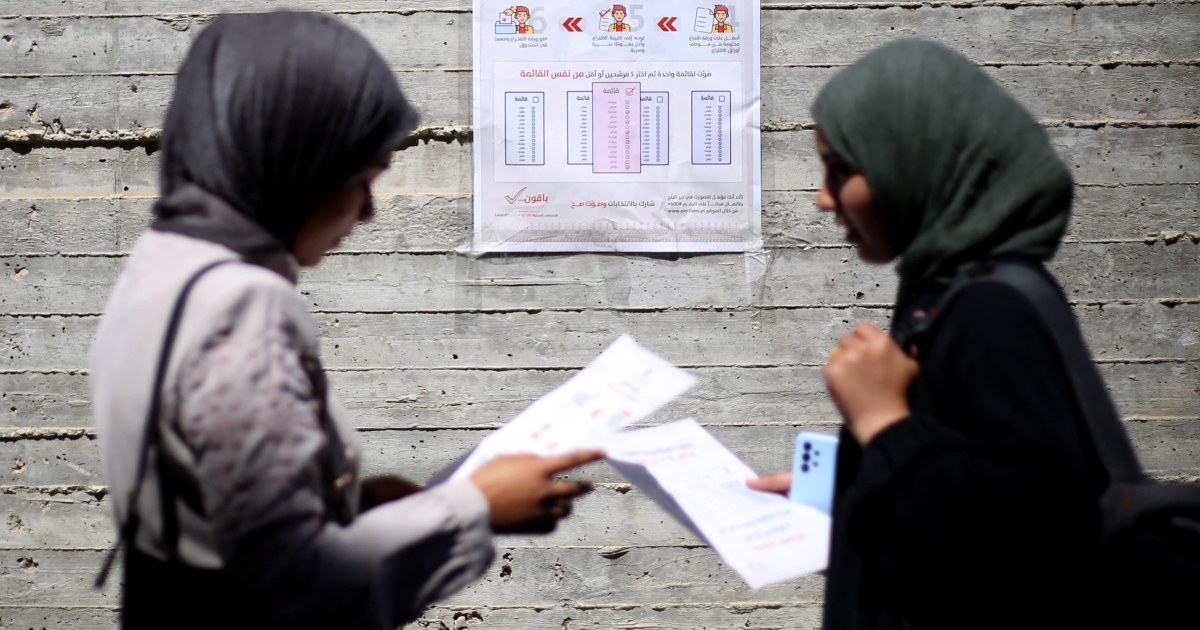
West Bank voters head to the polls for local elections, the first held in nearly five years, amidst a general skepticism regarding their potential to alter daily conditions. These municipal and village council elections unfold against a backdrop of prolonged Palestinian Authority (PA) governance in the West Bank, where national elections have not occurred since 2006, leaving the PA's mandate expired for over 17 years.
The upcoming elections feature over 5,100 candidates competing for local positions across various councils. The electorate includes a notable demographic, with approximately one-third of voters aged 18 to 30, underscoring the participation of younger generations in the political process.
A striking eighty-eight percent of all candidates are running as independents, indicating a significant departure from traditional party-backed campaigns. This strong preference for independent candidacy suggests a widespread search for alternative representation, possibly reflecting public frustration with established political parties and their perceived efficacy in addressing local issues. It signals a desire for new approaches to local governance.
Financial instability also directly impacts local governance and voter sentiment. For instance, Palestinian Authority civil servants in the town of Qusra receive only 2,000 shekels, roughly equivalent to $670. This amount represents a fraction of their full owed salaries, a direct consequence of Israel's withholding of tax revenues collected on behalf of the PA. Such shortfalls restrict the PA's ability to deliver essential services and pay its workforce, affecting both public trust and the operational capacity of local administrations.
The dominance of independent candidates and the PA's financial difficulties collectively highlight the challenges confronting local governance and the depth of voter skepticism. These elections serve as a measure of public discontent and an indicator of priorities for local services and administrative effectiveness. The outcomes will show whether these elections can shift public perception or merely reinforce existing doubts about the power of local ballots to bring about substantive change. Observers will monitor how the newly elected officials, particularly the high number of independents, navigate these financial and political constraints.
Continue reading
More in this thread
Conversation
Reader notes
Loading comments...