Vietnam and Thailand Upgrade to Comprehensive Strategic Partnership
Vietnam and Thailand mark 50 years of diplomacy by upgrading to a Comprehensive Strategic Partnership, highlighting $22B trade and $15B Thai investment.
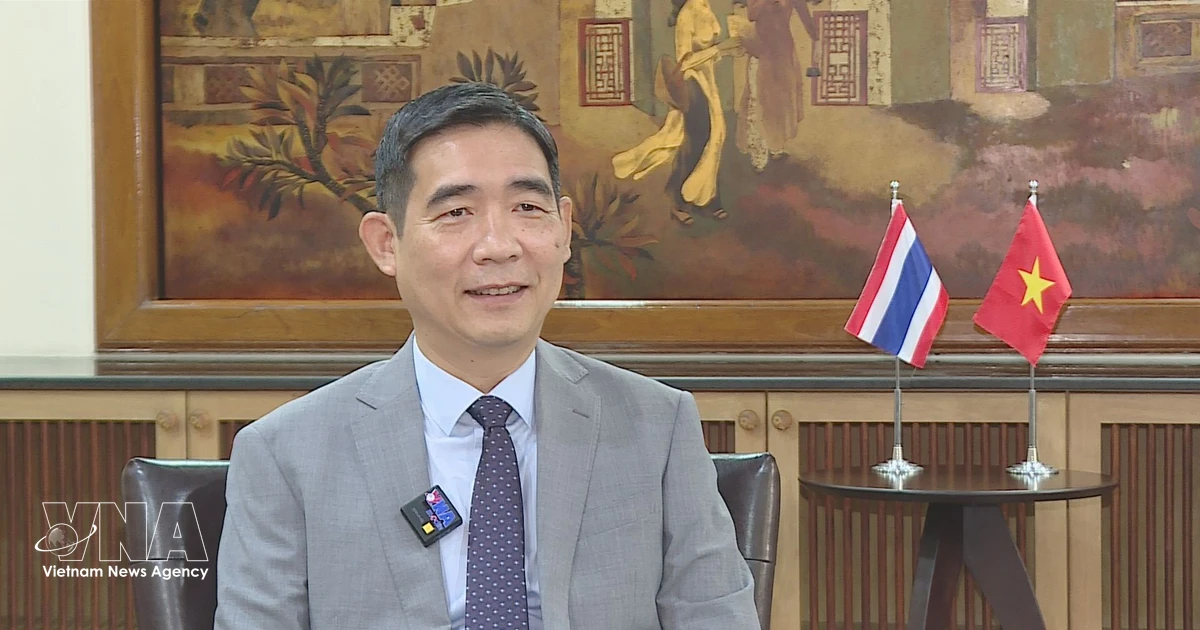
TL;DR: Vietnam and Thailand have upgraded their relationship to a Comprehensive Strategic Partnership, coinciding with the 50th anniversary of formal diplomatic ties and reflecting $22 billion in trade and $15 billion in Thai investment.
Context On August 6, 1976, Vietnam and Thailand established formal diplomatic relations, ending a long history of informal exchanges across the border. Five decades later, both governments announced a new partnership level that places Thailand among only 15 nations with such status.
Key Facts - The 2025 upgrade follows a 2013 strategic partnership and earlier milestones, including Vietnam’s ASEAN accession in 1995 and a 1993 state visit by General Secretary Đỗ Mười. - Thai firms have invested more than $15 billion in Vietnam, spread across roughly 800 projects, ranking Thailand in the top eight sources of foreign direct investment. - Bilateral trade topped $22 billion last year, making Thailand Vietnam’s largest ASEAN trading partner and a top‑10 global partner. - Tourism flows remain robust: about one million Vietnamese visit Thailand annually, while Thai visitors to Vietnam are rising, especially among younger travelers. - Over 100,000 people of Vietnamese origin live in Thailand, contributing to cultural and economic links.
What It Means The Comprehensive Strategic Partnership signals a commitment to deepen cooperation beyond economics, encompassing security, education, and technology. For Vietnam, Thailand’s investment portfolio offers a ready source of capital for infrastructure, manufacturing and renewable energy projects. For Thailand, the partnership secures a reliable market for its agricultural and automotive exports.
Both capitals have pledged to expand people‑to‑people exchanges, leveraging the near‑million annual cross‑border trips to boost mutual understanding and joint ventures. The new framework also positions the two ASEAN members to coordinate more closely on regional issues such as supply‑chain resilience and maritime security.
Looking ahead, observers will watch how the partnership translates into concrete projects, particularly in high‑tech manufacturing and green energy, and whether it reshapes trade patterns within Southeast Asia.
Continue reading
More in this thread
Minnesota Senate Mandates Insurance Coverage for Police‑Related Cleanup Damage
Nadia Okafor
New Zealand Court Rejects Brenton Tarrant Appeal, Upholds Voluntary Guilty Plea
Nadia Okafor
USS Gerald R. Ford Ends Record 295‑Day Deployment After Maduro Capture and Iran Operations
Nadia Okafor
Conversation
Reader notes
Loading comments...