USS Gerald R. Ford Ends Record 295‑Day Deployment After Maduro Capture and Iran Operations
The carrier sets a new U.S. deployment record, helped capture Maduro and operated amid Iran tensions before returning to Virginia.
TL;DR
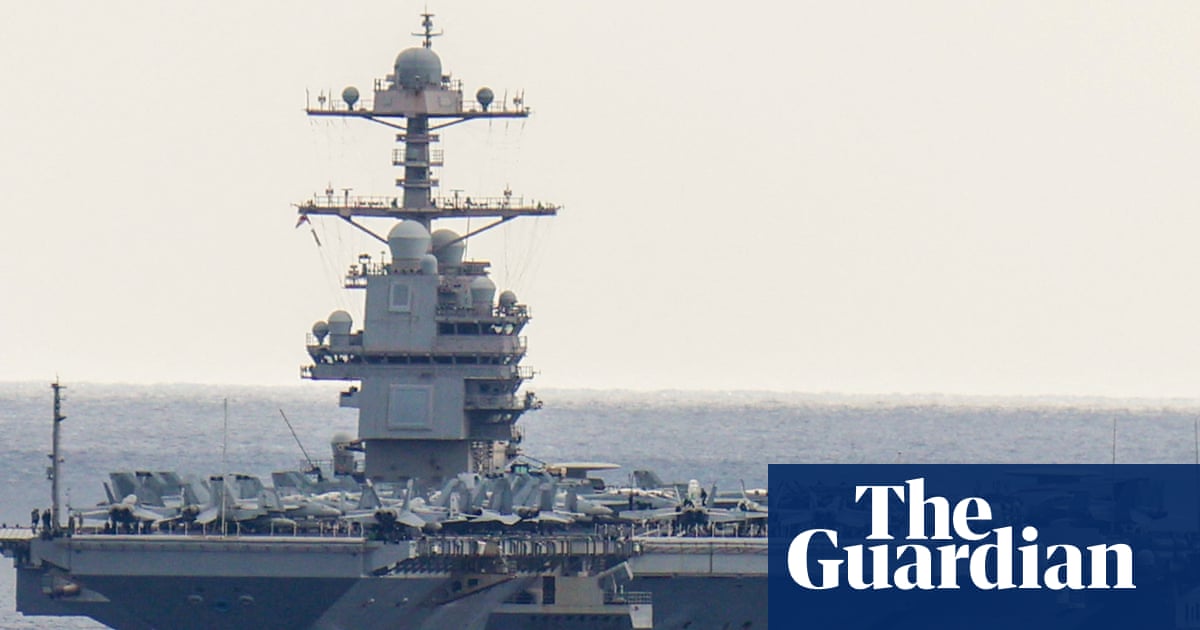
The USS Gerald R. Ford returns to Virginia after a 295‑day deployment—the longest for a U.S. carrier since Vietnam—during which it helped capture Venezuela’s Nicolás Maduro and operated amid rising Iran tensions.
Context The world’s largest aircraft carrier left Naval Station Norfolk in June and has been at sea for nearly ten months. It will depart the Middle East in the next few days and dock in Virginia by mid‑May. The ship’s itinerary included the Mediterranean, the Caribbean, the Red Sea and the Persian Gulf, reflecting shifting U.S. priorities across three continents.
Key Facts - The Ford’s 295th day at sea broke the previous post‑Vietnam record of 294 days set by the USS Abraham Lincoln in 2020. The earlier Cold‑War benchmark remains the USS Midway’s 332‑day stint in 1972‑73. - Defense Secretary Pete Hegseth explained that the extension resulted from “real‑time operational demands” from U.S. Southern Command (Southcom) in Latin America and Central Command (Centcom) in the Middle East. He said the decision balanced readiness with maintenance trade‑offs. - In October, the carrier joined the naval buildup in the Caribbean and participated in the operation that captured Venezuelan leader Nicolás Maduro, a move coordinated by Southcom. - After the Maduro mission, the Ford moved toward the Middle East as tensions with Iran escalated. It entered the Red Sea in early March, but a laundry‑room fire forced a return to the Mediterranean for repairs, temporarily limiting its flight‑deck capacity. - The ship’s prolonged deployment has raised concerns about crew fatigue and equipment wear, especially after the fire and the need for extensive repairs.
What It Means The Ford’s extended presence underscores the U.S. Navy’s flexibility in reallocating high‑value assets across theaters on short notice. Its involvement in both a Latin‑American political operation and a near‑conflict with Iran illustrates the breadth of missions a single carrier can support. The record deployment also spotlights the strain placed on personnel and hardware when ships remain at sea for extended periods, a factor that may influence future scheduling and maintenance cycles.
Looking ahead, watch how the Navy balances carrier availability with crew welfare as it plans for the next generation of deployments amid persistent global flashpoints.
Continue reading
More in this thread
New Zealand Court Rejects Brenton Tarrant Appeal, Upholds Voluntary Guilty Plea
Nadia Okafor
Vietnam and Thailand Upgrade to Comprehensive Strategic Partnership
Nadia Okafor
Israel Intercepts Seven Global Sumud Flotilla Boats 600 Nautical Miles from Gaza
Nadia Okafor
Conversation
Reader notes
Loading comments...